Microsoft`s Project Solara: A New Operating System for AI Agent Gadgets
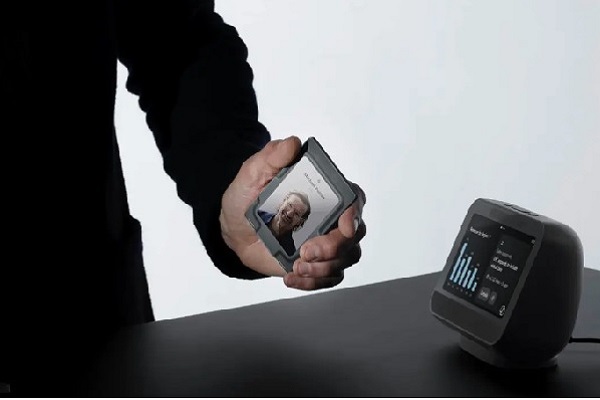
Microsoft has introduced Project Solara, a new operating system designed specifically for AI-powered gadgets and smart devices. Unlike traditional operating systems that focus mainly on apps and user interfaces, Solara is built to support intelligent AI agents capable of understanding and responding to human needs. The platform represents Microsoft's vision for a future where AI becomes a natural part of everyday life. By creating a dedicated operating system for AI devices, the company hopes to unlock new possibilities in personal technology. The announcement has already generated significant interest across the tech industry.
The rise of artificial intelligence has changed the way people interact with technology over the past few years. From chatbots and virtual assistants to smart home devices, AI is becoming more capable and useful every day. Project Solara aims to take this evolution a step further by providing a platform where AI agents can operate more independently. Instead of simply following commands, these agents may be able to understand context, learn preferences, and make intelligent decisions. This could make future gadgets far more helpful and efficient than current devices.
One of the most exciting aspects of Project Solara is its potential to power a wide range of AI-driven products. Microsoft reportedly showcased concepts such as smart displays, wearable devices, and AI assistants that can interact naturally with users. These gadgets could help manage schedules, answer questions, organize information, and even complete tasks automatically. The operating system is designed to ensure that these devices work together smoothly and efficiently. As AI technology advances, such capabilities could become increasingly common in daily life.
Project Solara is also expected to focus heavily on seamless communication between humans and machines. Rather than relying on complicated menus or multiple app interactions, users may simply speak or type a request and let the AI handle the rest. This could make technology easier to use for people of all ages and backgrounds. By reducing complexity, Microsoft hopes to create a more intuitive digital experience. The goal is to make interactions with technology feel natural rather than technical.
Security and privacy remain major concerns whenever AI systems are involved, and Microsoft appears aware of these challenges. Since AI agents often process personal information, protecting user data is essential for gaining public trust. Project Solara is expected to include safeguards that help secure sensitive information while maintaining performance. Strong privacy controls could become one of the platform’s key advantages in a competitive market. As AI becomes more integrated into daily life, responsible data handling will be increasingly important.
Another factor that could influence Solara's success is developer support. Microsoft has a long history of building ecosystems around its software platforms, and Project Solara is likely to follow a similar approach. Developers may be given tools to create applications and services specifically designed for AI agents. This could encourage innovation and lead to the development of entirely new categories of smart gadgets. A thriving developer community often plays a crucial role in the long-term success of any technology platform.
Industry experts believe AI agents could become the next major shift in computing, much like smartphones transformed communication over the last two decades. Instead of requiring users to perform every action manually, future devices may anticipate needs and offer assistance proactively. Project Solara is designed to support this vision by providing the infrastructure needed for advanced AI interactions. If successful, the operating system could help redefine how people use technology at home, at work, and on the move. Such changes could significantly improve productivity and convenience.
While Project Solara is still in its early stages, it offers an intriguing glimpse into the future of intelligent devices. Microsoft’s investment in AI-focused technology highlights the growing importance of artificial intelligence across the tech sector. As competition in the AI space continues to intensify, platforms like Solara could play a major role in shaping the next generation of gadgets. The coming years will reveal whether this ambitious project can meet expectations and gain widespread adoption. For now, Project Solara stands as a bold step toward a smarter, AI-powered future.