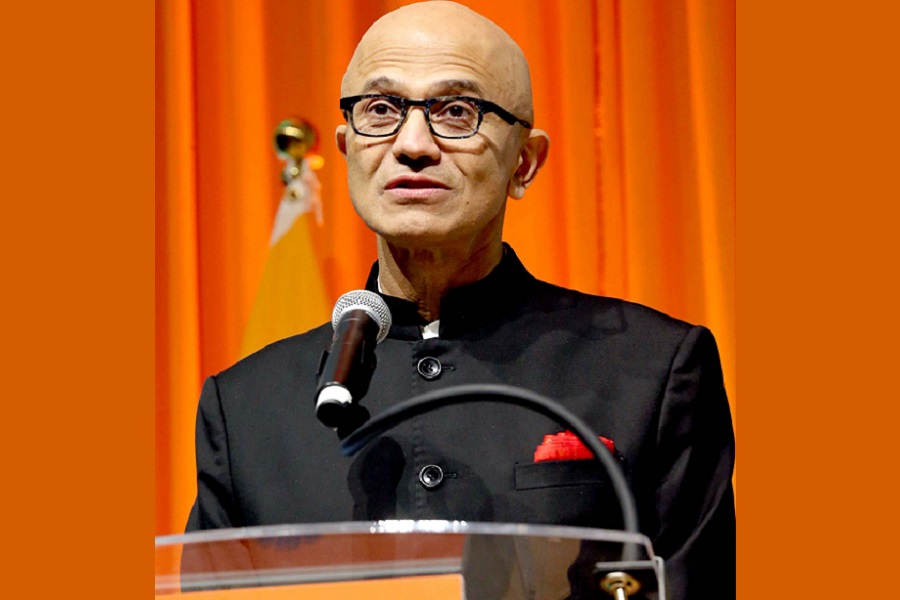
Microsoft CEO Satya Nadella warns against AI concentration
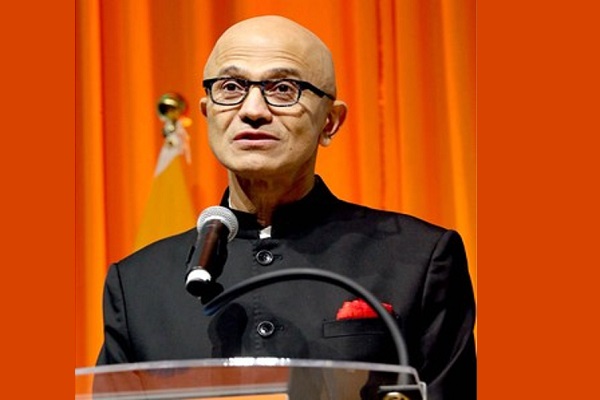
Microsoft Chief Executive Satya Nadella has issued a sharp warning against the growing concentration of power in the artificial intelligence industry, arguing that a handful of companies should not dictate the future of a technology that is reshaping economies, workplaces and societies.
In an exclusive interview with The Wall Street Journal, Nadella outlined a vision for the next phase of the AI boom that centres on lower-cost models, greater user control and broader access to the technology.
“You can’t say, hey, all white-collar jobs are gone and this could even be a weapon and we will use all the power to build data centres,” Nadella said.
He argued that the public would not accept a future in which only a small number of companies controlled the learning, deployment and benefits of AI. Instead, he called for an approach that wins public trust and earns what he described as the industry's “social permission”.
The remarks place Nadella at the forefront of a growing debate over the direction of the AI race. While not naming specific rivals, he criticised a model in which a small group of firms capture most of the value from AI while simultaneously warning about safety risks, job losses and the need for vast resources to continue scaling their systems.
One of the most closely watched decisions facing Microsoft is whether to host DeepSeek, a Chinese AI company whose low-cost models have attracted global attention. Such a move could significantly expand the reach of the Chinese firm while increasing pressure on major AI developers already facing the prospect of intensifying competition and lower prices.
Nadella said the future of AI should be more democratic and less dependent on a small number of frontier model developers. He maintained that technological progress should focus on reorganising work rather than eliminating jobs.
“No, how about we think about reorganizing the jobs?” he said when discussing the impact of AI on employment.
He acknowledged that the transition would involve disruption but argued that businesses must develop practical pathways for workers to adapt. “Yes, it’s a lot of change management, it’s a lot of displacement, but there is a path,” he said.
Nadella described AI as a knowledge engine that helps organisations make better use of workers, data and technology. He envisioned companies drawing from a range of models with different capabilities and price points rather than relying on a single provider.
He also stressed that restoring public confidence would require more than messaging. “No amount of just narrative is going to do it because where we are now, we have to sort of walk the walk,” he said. “We now have to do the hard work in earning the social permission.”
The comments come at a time when debate over AI’s impact on employment, economic power and national competitiveness is intensifying across the United States and other major economies. Technology companies are investing hundreds of billions of dollars in AI infrastructure, data centres and advanced computing systems.
Microsoft remains one of the most influential players in the sector through its partnerships and investments in leading AI companies.