Japan's MUFG to buy 20% stake in India's Shriram Finance for $4.4 billion
Japan's MUFG will acquire a 20% stake in Indian non-bank lender Shriram Finance Ltd (SFL) for $4.4 billion, the companies said on Friday, the largest cross-border investment in India's financial sector.
The deal marks MUFG's biggest commitment in India, surpassing its $1.7 billion investments in previous years.
"There's a chance we may push our stake above 50%. The regulations allow for acquiring over 50%. So naturally it's a possibility at an appropriate time," said Masashige Nakazono, executive officer at MUFG Bank and head of the global commercial banking planning division.
India's financial sector has witnessed nearly $15 billion worth of deals so far this year, more than double the $6.5 billion recorded in 2024, according to Dealogic data.
MUFG's move follows Emirates NBD Bank's $3 billion acquisition of a 60% stake in Indian private lender RBL Bank in November, the largest investment in the sector by a foreign bank until now.
JAPAN'S BANKS EXPAND ABROAD AMID SHRINKING DOMESTIC MARKET
For years, Japan's biggest banks have sought overseas targets in the face of a shrinking domestic market and rock-bottom interest rates. India, with its fast-growing economy, has become a popular destination.
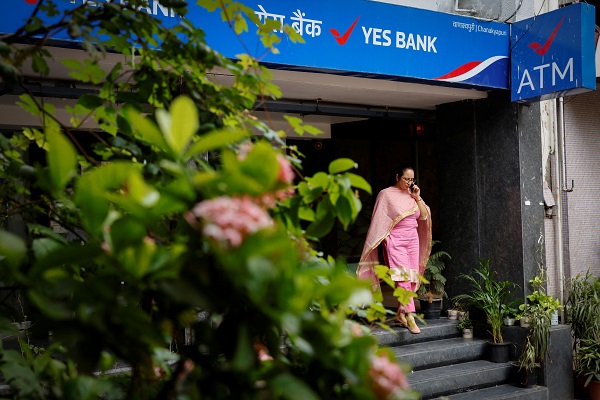
In a similar move, Sumitomo Mitsui Banking Corporation, a unit of Sumitomo Mitsui Financial Group, bought a 24.2% stake in Indian lender Yes Bank, starting with a 20% stake for $1.6 billion in May.
SFL, owned 24.9% by the Shriram Group, stated that the transaction is subject to regulatory approval.
The SFL board has also approved granting MUFG certain minority protection rights, including the right to nominate up to two non-independent directors on its board and pre-emptive rights to maintain proportional shareholding. These rights will lapse if MUFG's stake falls below 10% on a fully diluted basis, the company added.
MUFG will also have to pay a one-time non-compete and non-solicit fee of $200 million to SFL's major shareholder Shriram Ownership Trust, subject to the non-bank lender's shareholders' approval.
India allows up to 100% foreign ownership in non-banking finance companies, unlike banks where foreign institutional stakes are capped at 15% per entity unless exempted by the RBI. Earlier this month, the RBI clarified that banks can hold equity in NBFCs, easing a regulatory hurdle for MUFG’s investment in Shriram Finance.
Shriram Finance said the deal would improve its capital adequacy ratio, strengthen its balance sheet, and provide long-term growth capital. It also expects benefits from a diversified liability base and improved credit ratings.
"MUFG's investment will make Shriram's funding base sustainable. Cost of funds will come down, and return on assets will improve by 50-60 basis points. This deal is a game changer for Shriram Finance as it ensures higher market share given the enhanced capital and strong franchise," said Mahrukh Adajania, senior banking analyst at Nuvama Wealth Management.
MUFG'S INDIA PLANS
The investment forms part of MUFG's strategy to expand its lending activities in India, with plans to move beyond corporate banking into lending to SMEs and individuals, Nakazono said.
Shriram Finance, one of India's biggest retail non-banking financial entities, provides credit solutions for commercial and passenger vehicles for SMEs and individuals. Its assets under management stood at 2.8 trillion rupees, or $31 billion, as of the end of September.
MUFG has been present in India for more than 130 years, expanding its operations in recent years. In 2022, MUFG invested $565 million in India's digital lender DMI Finance, becoming the second-largest shareholder with a 20% stake.
Shares of Shriram Finance closed up 3.7% at 901.75 rupees following the news. Since talks of the MUFG deal were first reported in early October, the non-bank lender's shares have jumped about 46%.
Shriram Finance noted that Shriram Capital, its holding company, is exploring restructuring options to consolidate its lending operations into a single entity.
Shriram Capital also owns businesses in insurance, mutual funds, wealth management and retail stockbroking.