India Wheat Procurement Falls 9% Amid Madhya Pradesh Decline by Amit Gupta, Kedia Advisory
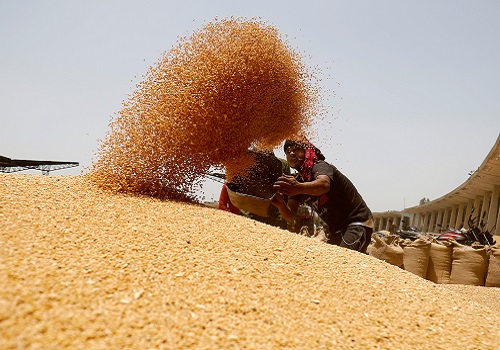
India’s wheat procurement dropped 9% year-on-year to 23.25 million tonnes (mt) as of April 30, 2026, mainly due to a sharp decline in Madhya Pradesh purchases. Despite strong procurement in Punjab and Haryana, lower arrivals and weather-related quality issues impacted overall buying. The government still targets 34.5 mt by June-end, though procurement may conclude early with 97% of the target already achieved. Haryana exceeded its target, while Punjab showed moderate growth. Unseasonal rains caused quality concerns, leading to relaxed procurement norms. Meanwhile, procurement targets were increased for states like Uttar Pradesh, Rajasthan, and Bihar to offset regional shortfalls.
Key Highlights
* India wheat procurement down 9% YoY at 23.25 mt by April-end.
* Madhya Pradesh procurement plunges 59%, dragging overall volumes.
* Haryana surpasses target; Punjab records 7% procurement growth.
* Lower arrivals in key states may end procurement before mid-May.
* Weather damage leads to relaxed quality norms and storage segregation.
Wheat market sentiment remains mildly supportive as India’s procurement declined by 9% year-on-year to 23.25 million tonnes (mt) as of April 30, 2026. The drop is primarily attributed to significantly lower buying in Madhya Pradesh, which offset stronger procurement trends in northern states. Tightening arrivals in major producing regions such as Punjab and Haryana further indicate that procurement activity could conclude earlier than expected, potentially influencing near-term price stability.
Supporting the price outlook, procurement in Haryana exceeded its target, reaching 7.66 mt, up 17% from last year, while Punjab recorded a 7% increase at 11.10 mt. However, daily arrivals in both states have slowed, signaling reduced supply inflow into mandis. Meanwhile, Madhya Pradesh witnessed a steep 59% decline in procurement at 2.75 mt, despite improved buying momentum in the latter half of April. This sharp drop remains a key bearish factor for overall procurement performance.
On the quality front, unseasonal rainfall and hailstorms during March and April impacted wheat grain quality, leading to higher moisture content and loss of lustre. As a result, a portion of the crop fell under relaxed specifications (URS category), requiring separate storage and accounting. This has slightly disrupted procurement efficiency and logistics.
Additionally, the government has increased procurement targets in Uttar Pradesh, Rajasthan, and Bihar to compensate for regional shortfalls. While arrivals in these states remain moderate, the policy adjustment reflects efforts to maintain buffer stock levels amid uneven supply dynamics.
Overall, lower procurement and weather-related disruptions may support wheat prices in the near term, though improved buying in select states could partially stabilize supply conditions.
Above views are of the author and not of the website kindly read disclaimer