India's Wheat Sowing Lags as Monsoon Deficit Raises Irrigation Concerns by Amit Gupta, Kedia Advisory
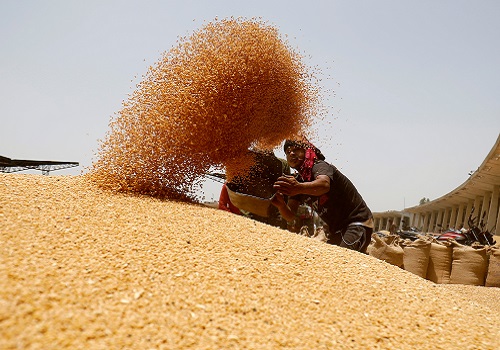
India’s wheat sowing reached just 11,000 hectares as of October 23, compared with 27,000 hectares a year earlier, amid deficient monsoon rainfall and irrigation concerns. The southwest monsoon recorded a 13% deficit, reducing residual soil moisture and reservoir replenishment ahead of the rabi season. Punjab and Rajasthan, which together account for around 31% of India’s wheat acreage, face rainfall deficits of 38% and 22%, respectively. Total rabi sowing declined to 18.02 lakh hectares from 28.26 lakh hectares year-on-year. The government has set a wheat production target of 121 million tonnes for 2026–27.
Key Highlights
• Wheat sowing stood at 11,000 hectares as of October 23, down from 27,000 hectares a year earlier.
• India’s southwest monsoon recorded a 13% rainfall deficit, raising concerns over soil moisture and irrigation availability.
• Punjab and Rajasthan reported rainfall deficits of 38% and 22%, respectively, and account for around 31% of wheat acreage.
• Total rabi sowing declined to 18.02 lakh hectares from 28.26 lakh hectares in the corresponding year-ago period.
• The government targets record wheat production of 121 million tonnes in 2026–27, following 120.7 million tonnes last year.
India’s wheat sowing has started slowly, with coverage reaching just 11,000 hectares as of October 23, compared with 27,000 hectares during the corresponding period last year. The delayed progress comes amid deficient monsoon rainfall and concerns over irrigation water availability ahead of the 2026–27 rabi season. Total rabi crop coverage also declined to 18.02 lakh hectares from 28.26 lakh hectares a year earlier, according to Agriculture Ministry data.
The southwest monsoon recorded a 13% rainfall deficit during June–September, leaving lower residual soil moisture and reducing water availability in reservoirs and canals. Wheat requires multiple rounds of irrigation after sowing, making adequate water supplies crucial for crop establishment and subsequent growth. Punjab and Rajasthan are particularly vulnerable, having recorded rainfall deficits of 38% and 22%, respectively, alongside below-normal reservoir storage at the end of September. Together, the two states account for approximately 31% of India’s wheat acreage.
Experts have also highlighted risks in rain-fed and poorly irrigated areas of Rajasthan, Madhya Pradesh, Gujarat, Bundelkhand and parts of central India, where farmers have limited alternatives to compensate for deficient monsoon moisture. Continued irrigation constraints could delay planting, reduce the area under cultivation and potentially affect yields.
Among other crops, rice sowing stood at 1.02 lakh hectares against 2.13 lakh hectares a year earlier. Pulses coverage declined to 3.27 lakh hectares from 4.39 lakh hectares, while oilseeds sowing fell to 13.38 lakh hectares from 21.34 lakh hectares. Coarse cereals were an exception, with coverage rising to 23,000 hectares from 13,000 hectares.
India harvested a record 120.7 million tonnes of wheat in 2025–26. The government has set a production target of 121 million tonnes for 2026–27, making timely sowing and sufficient irrigation important for achieving the target.
Delayed wheat sowing, deficient monsoon rainfall and limited irrigation availability threaten rabi crop progress, while timely planting and adequate water supplies remain critical to meeting production targets.
Above views are of the author and not of the website kindly read disclaimer