India's economy likely to triple in a decade: JPMorgan's Jamie Dimon
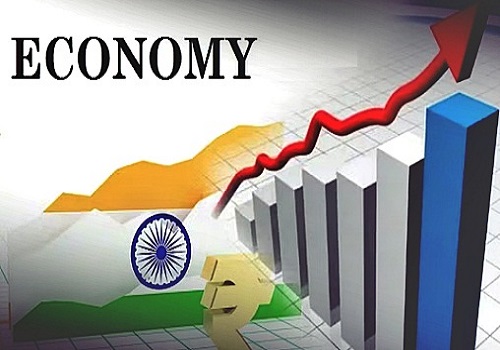
JPMorgan Chase Chief Executive Officer Jamie Dimon has said that India’s economy could nearly triple in size over the next decade, highlighting plans to expand the company's footprint in the country.
Dimon said the bank expects a sharp rise in its India coverage and operations over the next decade, saying that there’ll be 400 companies in research, with 2,000 companies being covered, according to reports.
Dimon said JPMorgan plans to work closely with the government and Indian businesses, underlining the rapid expansion of the company's India operations since 2005 when he first visited the country, reports CNBC-TV18.
JP Morgan had only 6,000 employees in 2025, and the company now employs 60,000 professionals across lots of technical areas, investment banking, he said.
The US-based investment bank currently covers nearly 200 Indian companies through its research operations, while also working with multinational corporations and Indian companies looking to expand overseas.
The CEO also urged New Delhi and Washington to finalise a trade agreement, stressing consistency in trade and investment rules. “I would like to see it finished," Dimon said, urging the two governments to “sit down and try to finish it”.
Dimon also flagged that the global economy faces several threats such as persistent inflation, elevated government borrowing, geopolitical tensions and rising demand for capital.
He predicted that interest rates and bond yields could remain higher for longer.
Artificial intelligence-related infrastructure and remilitarisation could push demand for capital higher, and “the odds of them going higher is more than other people think," Dimon said.
AI investment surge could eventually boost productivity and create deflationary pressures, he said, adding that spending across the hyperscaler ecosystem could reach around $1 trillion next year, compared with about $700 billion this year.