India needs 'mutually assured disruption' strategy to counter tech denial: MeitY Secretary
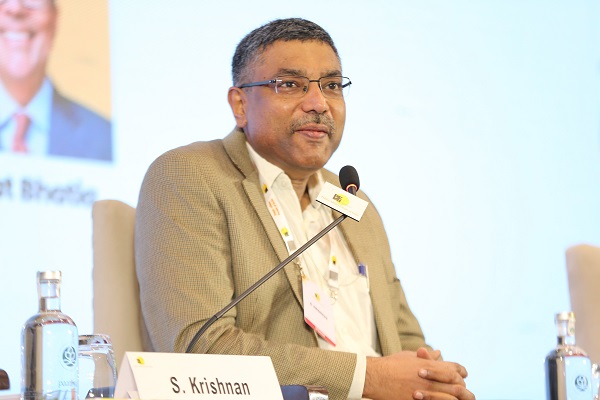
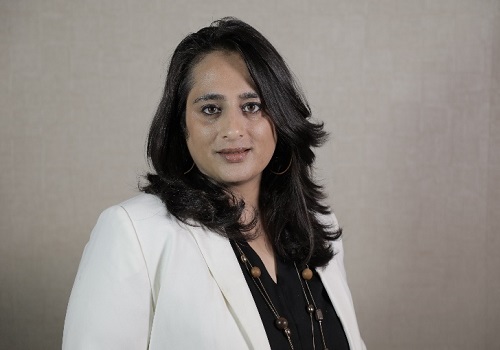
Ministry of Electronics and Information Technology (MeitY) Secretary S Krishnan on Thursday proposed a strategy of “Mutually Assured Disruption” to help India reduce its vulnerability to technology denial and disruptions in global supply chains, while maintaining access to cutting-edge technologies from around the world.
Speaking at an event organised by the Public Affairs Forum of India (PAFI) in the national capital, Krishnan said India must build sufficient domestic capabilities in critical technologies so that it can continue operating even if access to foreign technologies or supplies is restricted. At the same time, he stressed that the country should remain open to global technology and innovation.
Krishnan said it would be unrealistic for India to manufacture every component across the entire technology value chain domestically. Instead, the country should focus on developing substantial capabilities in strategically important segments of global supply chains, making itself an indispensable participant in key technology ecosystems.
According to him, India needs to establish a significant presence in critical parts of global value chains rather than attempting complete self-sufficiency. Such a strategy would ensure that the country retains influence within supply chains and strengthens its ability to withstand external disruptions.
"From a strategic perspective, I think having a presence in the semiconductor space is very important. We are already, and we will keep growing as a consumer of these devices. Our per capita incomes are reaching that point of inflection where consumption will rise faster. So, electronics may be an important item of consumption, and this essentially means we need to make enough of these inputs," Krishnan stated.
“A significant shift has taken place since the COVID-19 pandemic, alongside other global developments, with businesses and governments increasingly recognising the risks of excessive dependence on a single market, country, or source of supply. Rather than concentrating manufacturing solely in the most cost-competitive location, there is now greater emphasis on diversification as a means of building resilience,” he added.