India-Ethiopia ties turn stronger after PM Narendra Modi`s Africa visit
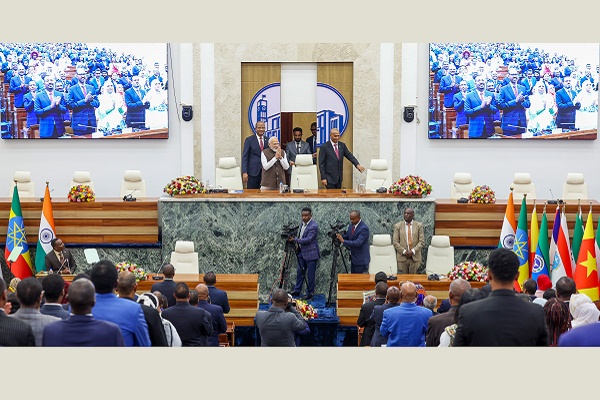
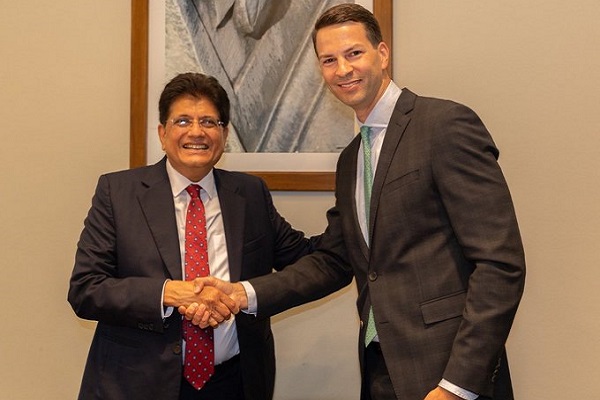
Prime Minister Narendra Modi’s visit to Ethiopia in December 2025 was a major diplomatic event of the year, resulting in upgrading the relations between the two countries to a 'Strategic Partnership' and laying a concrete roadmap for a high priority engagement for the next decade.
Over the last several decades, India–Ethiopia trade relations have evolved into a multi-dimensional partnership that combines sturdy merchandise trade, significant Indian investment in Ethiopian industry and infrastructure, and a strong development cooperation framework underlined by South–South solidarity, according to an article in the Times of Oman.
Both countries view each other as gateways to wider regions. India towards the African Continental Free Trade Area, and Ethiopia towards the Indian Ocean and Asian markets, which gives their commercial ties a strategic angle.
For 2024–25, Indian official data indicate total bilateral trade of roughly 550.19 million US dollars, with India exporting 476.81 million US dollars’ worth of goods and importing 73.38 million US dollars from Ethiopia . The numbers highlight both India’s strong presence in the Ethiopian market and the scope for increasing Ethiopian exports to India.
India ranks among Ethiopia’s top trading partners underscoring how resilient the economic connection between the two countries is.
Key Indian export items include pharmaceuticals and medical products, iron and steel, machinery and transport equipment, vehicles and auto components, electrical and engineering goods, chemicals, plastics, and consumer items ranging from textiles to food products. Data confirms India’s role as a major supplier of essential industrial and consumer goods to the Ethiopian economy.
This export basket supports Ethiopia’s industrialisation aspirations and infrastructure expansion, while also reinforcing India’s image as a reliable partner supplying affordable medicines and technology.
Imports from Ethiopia into India are smaller in value but are strategically significant and concentrated in agricultural and natural resource–based products. India imports pulses, oilseeds, spices, leather and leather products, flax yarn, and select mineral or semi-precious stone consignments from Ethiopia, integrating Ethiopian producers into Indian and global value chains.
Beyond just trade, India has also emerged as one of the most important foreign investors in Ethiopia. Various assessments note that Indian companies rank among their top three foreign investors, with approved investments valued at nearly 5 billion US dollars and land lease arrangements covering more than 600,000 hectares across the country, especially in commercial agriculture and allied activities .
In 2024 alone, at least 11 Indian companies invested in sectors such as agriculture, automobiles, iron and steel, information and communication technology, and textiles, demonstrating sustained investor confidence in Ethiopia’s long-term growth prospects despite short-term macroeconomic volatility. These investments have massively contributed to employment creation, export earnings, and technology transfer in Ethiopia’s industrial parks and special economic zones, aligning with Ethiopia’s ambition to transform the country into a regional manufacturing hub.
India’s development cooperation architecture also plays a central role in shaping the trade and investment landscape, especially through concessional Lines of Credit extended by the Export-Import Bank of India.
The article also highlights that Ethiopia is among the largest African recipients of Indian LoCs, with sanctioned credit lines worth over 1 billion US dollars that have financed strategic projects in sugar production, power transmission, railways, and industrial infrastructure.
Examples include the Finchaa and Wonji Shoa sugar factories, as well as Phase I of the Tendaho sugar project, which were built under an EXIM Bank line of credit of about 640 million US dollars, representing one of the largest single LoCs extended by India anywhere.