Immunity-Boosting Foods: Facts vs Myths
The immune system plays an important role in protecting the body from infections and other health threats. Because of this, many foods are promoted as “immunity boosters.” Citrus fruits, turmeric, garlic, ginger, and herbal drinks are often presented as quick solutions for strengthening immunity.
However, the reality is more balanced. No single food can magically strengthen the immune system or prevent every infection. A nutritious, varied diet can provide the vitamins, minerals, protein, and other nutrients the immune system needs to function normally.
Here are some common facts and myths about foods and immunity.
Myth 1: One Food Can Supercharge Your Immunity
Myth. There is no single food that can dramatically increase immunity overnight.
Fact: The immune system depends on many nutrients, including vitamins A, C, D and E, zinc, selenium, iron, protein, and others. Eating a variety of vegetables, fruits, whole grains, legumes, nuts, seeds, and protein-rich foods is a better approach than relying on one “superfood.”
Myth 2: Vitamin C Prevents Every Cold
Myth. Eating large amounts of vitamin C does not guarantee that you will avoid a cold.
Fact: Vitamin C is important for normal immune function. Citrus fruits such as oranges, lemons, and grapefruit, along with guava, amla, peppers, and several vegetables, can provide vitamin C as part of a balanced diet.
For most people, getting nutrients from a varied diet is preferable to taking high-dose supplements without a specific need.
Myth 3: Garlic Can Prevent All Infections
Myth. Garlic should not be considered a guaranteed protection against infections.
Fact: Garlic contains bioactive compounds and can be part of a nutritious diet. However, eating garlic does not make someone completely resistant to viruses or bacteria.
Myth 4: Turmeric Automatically Boosts Immunity
Myth. Drinking turmeric-based beverages does not instantly make the immune system stronger.
Fact: Turmeric contains curcumin and has been studied for its biological properties. Including turmeric as a spice in a balanced diet can be perfectly reasonable, but it should not be treated as a replacement for medical treatment or vaccination.
Myth 5: More Supplements Mean Better Immunity
Myth. Taking high doses of multiple vitamins and minerals is not necessarily better for the immune system.
Fact: Nutritional deficiencies can affect normal immune function, but excessive intake of certain supplements can also cause problems. Supplements are most useful when there is a demonstrated deficiency, increased requirement, or healthcare professional recommendation.
Myth 6: Citrus Fruits Are the Only Foods Good for Immunity
Myth. Citrus fruits are not the only foods that support immune nutrition.
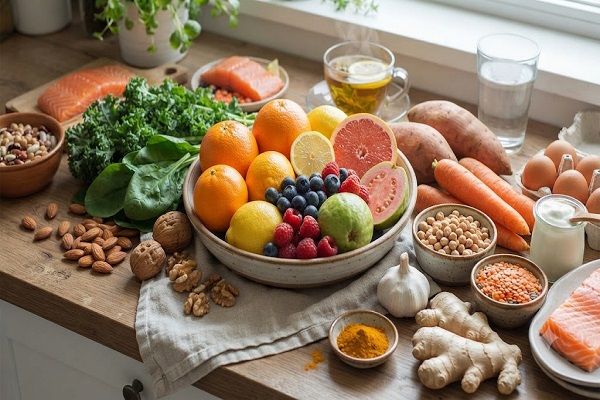
Fact: Many foods provide nutrients important for normal immune function. Berries, guava, leafy vegetables, carrots, legumes, eggs, dairy products, nuts, seeds, fish, and whole grains can all contribute different nutrients to a balanced diet.
Myth 7: Protein Is Important for Muscle but Not Immunity
Myth. Protein is not only important for muscles.
Fact: Protein provides amino acids that the body uses to build and maintain cells and proteins involved in immune responses. Sources can include beans, lentils, dairy products, eggs, fish, poultry, soy, nuts, and seeds.
Myth 8: Herbal Drinks Can Replace Medical Treatment
Myth. Herbal drinks, teas, or traditional preparations should not be considered substitutes for appropriate medical care.
Fact: Beverages made with ingredients such as ginger or tulsi can be enjoyable additions to a healthy diet. However, persistent or serious symptoms require appropriate medical evaluation rather than relying solely on home remedies.
Foods That Support a Balanced Immune-Friendly Diet
Instead of searching for one miracle food, focus on variety. Some nutritious choices include:
Citrus fruits: oranges, lemons, and grapefruit
Amla and guava: excellent sources of vitamin C
Leafy vegetables: provide several vitamins and minerals
Carrots and sweet potatoes: sources of carotenoids
Nuts and seeds: provide healthy fats, minerals, and other nutrients
Pulses and beans: provide protein, fibre, and minerals
Yogurt and other fermented foods: can contribute to a healthy diet and gut microbiome
Eggs and dairy: provide protein and several essential nutrients
Fish: provides protein and, depending on the type, omega-3 fatty acids and vitamin D
Whole grains: provide fibre and various micronutrients
How to Eat for Better Immune Health
A healthy eating pattern is more important than individual ingredients. Try to include a variety of colourful fruits and vegetables, adequate protein, whole grains, healthy fats, and sufficient fluids.
Limiting excessive amounts of highly processed foods, added sugars, and unhealthy fats can also help support overall health.
Adequate sleep, regular physical activity, stress management, good hygiene, and recommended vaccinations are also important parts of maintaining health.
The Bottom Line
The idea of “immunity-boosting foods” can be misleading when it suggests that one ingredient can prevent illness. There are no magic foods that make you immune to infections.
Instead, a balanced and varied diet provides the nutrients your immune system needs to function normally. Combining good nutrition with healthy lifestyle habits and appropriate healthcare is a more reliable way to support overall immune health.