IMD Sees Rising Heatwaves in May-June, Cooler April by Amit Gupta - Kedia Advisory
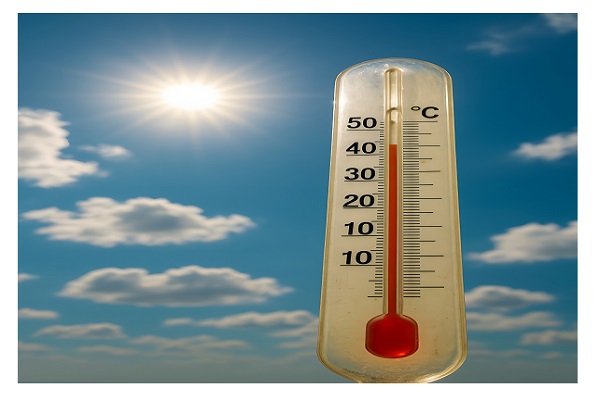
The India Meteorological Department forecasts a relatively cooler April with normal to below-normal temperatures across much of India, but warns of increased heatwave days during May-June. Certain regions, including east, northeast, and peninsular India, may still experience above-normal temperatures. April rainfall is expected to be above normal, offering some relief. However, rising heat stress during critical crop stages could impact yields of rice, pulses, and wheat. The outlook highlights growing climate risks for agriculture, with farmers advised to adopt protective measures such as timely irrigation and early harvesting.
Key Highlights
* IMD forecasts cooler April but hotter May-June period.
* Heatwave days likely to increase across multiple regions.
* April rainfall seen above normal at 112% of LPA.
* Heat stress may impact key crops and reduce yields.
* Farmers advised irrigation, sprays, and early harvesting.
The India Meteorological Department has projected a mixed summer outlook for 2026, with April expected to remain relatively cooler across much of the country, followed by an increase in heatwave intensity during May and June. According to the seasonal forecast, maximum temperatures in April are likely to be normal to below normal in several regions, although parts of east, northeast, and peninsular India may still witness above-normal heat conditions.
Despite the relatively mild start, the overall summer season is expected to see an above-normal number of heatwave days, particularly across east, central, and north-west India, as well as the south-eastern peninsula. Coastal regions such as Odisha, West Bengal, Tamil Nadu, Andhra Pradesh, and Puducherry could experience up to two additional heatwave days beyond the typical range.
Supporting the temperature outlook, rainfall in April is forecast to remain above normal, exceeding 112% of the long-period average. However, this relief may not be evenly distributed, as parts of northeast India could receive below-normal precipitation.
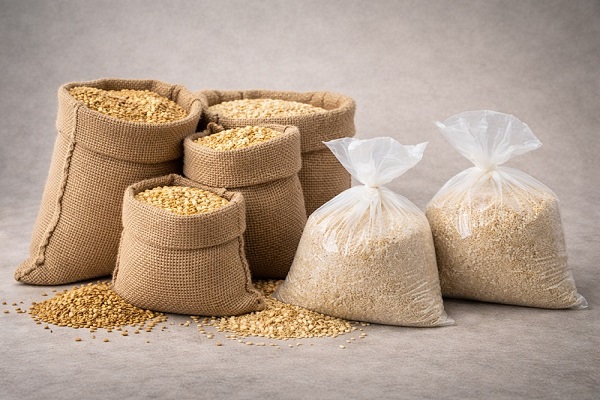
From an agricultural perspective, the rising heat poses significant risks to crop productivity. Heat stress during critical reproductive stages could affect crops such as rice, maize, pulses, and vegetables, leading to reduced grain formation and yield losses. Additionally, late-sown wheat, mustard, and barley may face accelerated maturity and grain shrinkage, particularly in north-west India.
To mitigate these risks, IMD has issued advisories urging farmers to adopt measures such as light and frequent irrigation, use of anti-transpirants, and timely harvesting of mature crops to minimise potential losses.
While April may offer temporary relief, rising heatwave risks in coming months could challenge agriculture, making proactive farm management and weather-based planning critical for minimizing crop losses.
Above views are of the author and not of the website kindly read disclaimer