How to Organise a Home Around How You Actually Use It
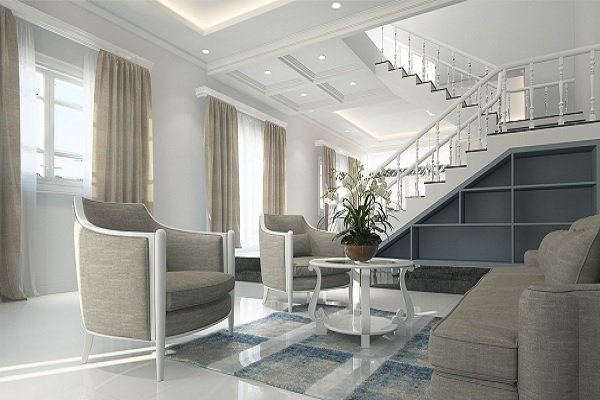
Home organisation is often approached from the idea of where things are supposed to go rather than where people naturally use them. A beautifully arranged room can still feel inconvenient when everyday items are stored far away from the places where they are needed.
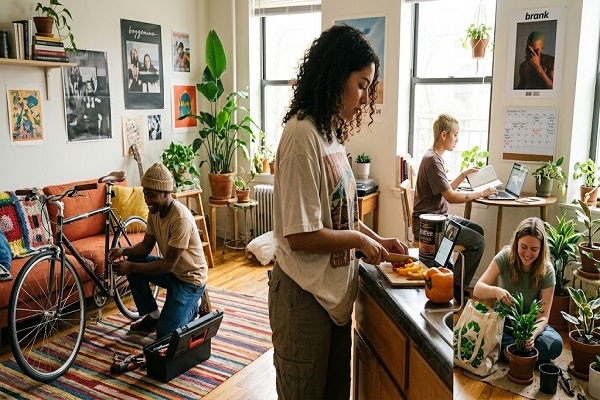
A more practical approach is to organise a home around actual habits. Instead of forcing daily routines to fit a storage system, the storage system should support those routines.
Start by Observing Your Daily Patterns
Before moving furniture or buying storage boxes, pay attention to how you use each room. Notice where you usually place your keys, where clothes accumulate, where bags are dropped, or which kitchen items are used most often.
These small patterns reveal which parts of the home need better organisation.
Keep Frequently Used Items Within Easy Reach
Items that are used every day should generally be stored where they can be accessed quickly. Keeping commonly used kitchen tools near the preparation area, for example, can reduce unnecessary movement.
Similarly, frequently used personal-care products can be kept near the area where they are normally used rather than stored elsewhere for appearance alone.
Organise According to Activities
A room does not always need to be organised strictly by item category. It can be more useful to organise around activities.
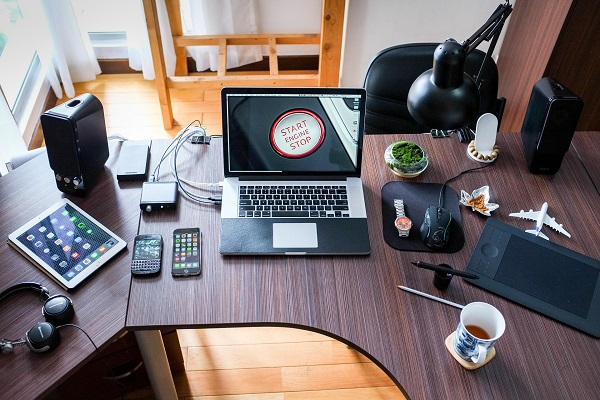
A small area near the entrance could hold keys, wallets, bags and other items needed when leaving the house. A work corner could keep chargers, notebooks and office accessories together.
This makes it easier to complete everyday tasks without searching for individual items.
Pay Attention to Where Clutter Naturally Appears
Repeated clutter is often a sign that something is stored in the wrong place. If papers repeatedly collect on one table or clothes consistently end up on one chair, the solution may not be simply to clean them up.
Instead, consider creating a practical storage point near that location.
The goal is to make the organised option the easiest option.
Use the Space Based on Frequency
Not every item needs the same level of accessibility. Everyday items deserve convenient locations, while seasonal or rarely used belongings can be stored in less accessible areas.
This can help prevent valuable easy-to-reach space from being occupied by things that are rarely needed.
Consider Movement Through the Home
Organisation should also account for how people move through a room. Frequently used pathways should remain clear, and storage should not create unnecessary obstacles.
Furniture placement can influence how easy it is to clean, carry objects, open doors and move between different areas.
Make Storage Match the Person Using It
A storage system should be practical for the people who use it. Shelves that are too high, containers that are difficult to open, or cabinets that require too many steps can discourage consistent organisation.
Convenience matters because a system is only useful when people actually use it.
Avoid Organising for Appearance Alone
Perfectly matching storage containers can make a room look attractive, but organisation is more effective when it improves everyday use.
A simpler setup that allows quick access, easy returns and clear visibility may work better than a visually perfect arrangement that is inconvenient.
Review Your Home as Your Routine Changes
The way a home is used can change over time. A new job, different schedule, new hobby, additional household member or change in lifestyle can create new storage needs.
An organisation system should therefore be flexible rather than permanent. What worked last year may not be the most practical arrangement today.
Use Small Adjustments Before Major Changes
Home organisation does not always require new furniture or extensive renovation. Moving a frequently used object closer, adding a small tray, changing shelf positions or relocating a storage basket may solve a recurring problem.
Small changes can sometimes make a noticeable difference because they address the actual source of inconvenience.
Final Thoughts
A well-organised home is not necessarily the one that looks the most minimal or perfectly arranged. It is the one that makes everyday activities easier.
By observing how each space is actually used, storing frequently needed items in convenient places, and adjusting organisation systems to real habits, a home can become more functional without becoming complicated.