How to Choose Plants Based on Room Conditions
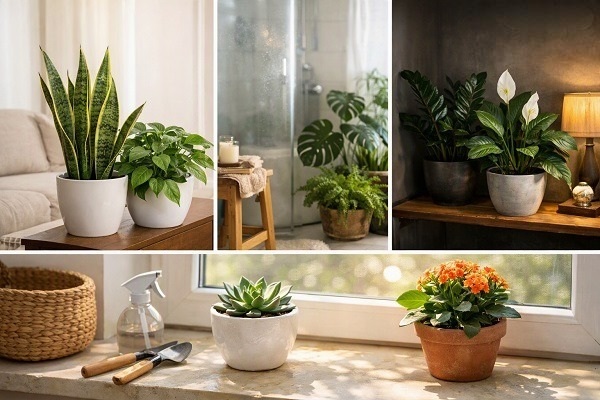
Adding plants to a home can make a room feel more lively, but choosing the right plant is not simply about appearance. Different plants have different requirements for light, temperature, humidity, watering, and available space. Matching a plant to the conditions of a room can make it easier to keep healthy over time.
Start With the Amount of Light
Light is one of the most important factors when selecting an indoor plant. Observe how much natural light enters the room and for how many hours during the day.
Bright rooms with several hours of indirect sunlight can support plants that need more light. Rooms with moderate light may be better suited to plants that can tolerate partial shade. Low-light areas require plants known for handling limited natural light.
It is also important to consider the direction of the windows. A bright south- or west-facing window can provide considerably different conditions from a shaded corner far away from a window.
Consider Direct and Indirect Sunlight
Not every plant that needs plenty of light should be placed directly in intense sunlight. Strong direct sun through a window can sometimes scorch sensitive leaves.
Before choosing a plant, check whether the location receives direct sunlight, filtered sunlight, or mostly reflected light. Sheer curtains can also change the intensity of light reaching the plant.
Check the Room Temperature
Most common indoor plants prefer relatively stable temperatures rather than sudden changes. Rooms near air conditioners, heaters, radiators, or frequently opened windows may experience temperature fluctuations.
A plant that dislikes cold drafts may struggle near a window during cooler months, while a plant exposed to constant hot air from a heating source can also become stressed.
Think About Humidity
Different rooms can have very different humidity levels. Bathrooms and kitchens may naturally have more moisture in the air, while air-conditioned bedrooms and offices can be relatively dry.
Plants that enjoy higher humidity may perform better in naturally moist areas. Plants that tolerate drier indoor air can be more practical for bedrooms, living rooms, or workspaces with regular air conditioning.
Match the Plant to Available Space
The size of the room matters just as much as its climate. A fast-growing plant can eventually become difficult to manage in a small room.
For compact spaces, tabletop plants, smaller pots, or hanging plants can work well. Larger rooms may have enough space for floor plants with wider leaves or taller growth habits.
Also consider the plant's growth direction. Some plants grow upward, while others spread horizontally or trail downward.
Consider Your Watering Habits
Different plants have different watering needs. Some prefer consistently moist soil, while others need the soil to dry between watering sessions.
A person who frequently forgets to water may have more success with plants that tolerate occasional dryness. Someone who enjoys regular plant care can choose varieties that need more frequent attention.
The pot and drainage system matter too. Containers without adequate drainage can allow excess water to remain around the roots.
Look at Airflow
Good airflow can be beneficial for indoor plants, but strong continuous airflow can create problems for some varieties. Plants placed directly under air-conditioning vents or fans may dry out more quickly.
Leave enough space around the plant for air to circulate while avoiding constant blasts from vents.
Think About Your Lifestyle
The best indoor plant is often the one that fits your daily routine. A low-maintenance plant may be practical for a busy person, while someone who enjoys gardening may prefer plants that require regular pruning, watering, or care.
Pet owners should also research plant safety before bringing a new variety into the home, particularly when pets have access to the leaves.
Choose the Location Before Buying
Instead of buying a plant first and looking for a suitable location later, start by assessing the room. Check its light, temperature, humidity, space, airflow, and your ability to care for the plant.
Then select a plant whose natural requirements closely match those conditions. This approach can reduce unnecessary plant replacements and make indoor gardening more manageable.
The Bottom Line
Choosing indoor plants based on room conditions is more practical than choosing them only by appearance. Paying attention to light, temperature, humidity, watering needs, space, and airflow can help you select plants that are more likely to thrive. The right plant is ultimately one that fits both the environment of the room and the routine of the person caring for it.