How Small Lifestyle Changes Can Make Everyday Life More Enjoyable

A fulfilling lifestyle does not always require major changes, expensive experiences, or a perfectly organized routine. Often, the way people manage their time, organize their surroundings, and make everyday choices has a greater influence on their quality of life. Small, consistent improvements can make daily routines feel more balanced, comfortable, and enjoyable.
Create a Morning Routine That Works for You
The way a person begins the day can influence how they approach the hours ahead. A simple morning routine may include drinking water, stretching, enjoying breakfast, or spending a few quiet minutes planning the day's activities.
There is no single routine that works for everyone. Some people prefer exercising early, while others benefit from starting slowly and organizing their thoughts before work. The goal is to create habits that fit personal schedules instead of following an unrealistic routine copied from someone else.
Preparing clothes, packing a bag, or making a short to-do list the night before can also reduce morning stress and make it easier to get started.
Keep Your Living Space Organized
A comfortable living environment can make everyday activities easier. When frequently used items have designated places, people spend less time searching for keys, chargers, documents, and other essentials.
Organization does not require redesigning an entire home. Small actions, such as clearing a desk, arranging a wardrobe, or keeping a basket for everyday belongings, can make a noticeable difference.
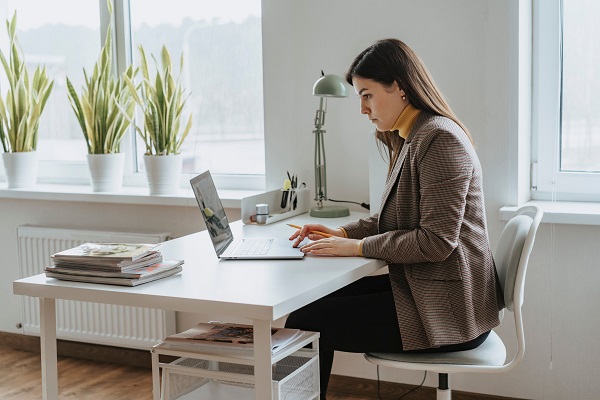
It is also helpful to organize spaces according to how they are used. A tidy workspace can support concentration, while a relaxing bedroom can make it easier to unwind after a busy day. Maintaining these spaces through short, regular tidying sessions may feel more manageable than waiting for a major cleaning day.
Make Time for Physical Activity
Movement can be incorporated into everyday life without requiring a complicated fitness plan. Walking to nearby destinations, taking the stairs when appropriate, stretching between work sessions, or cycling for short journeys are practical ways to stay active.
Choosing an activity that feels enjoyable can make consistency easier. Some people prefer outdoor walks, while others enjoy dancing, swimming, or exercising at home. Starting with realistic goals can help turn movement into a regular habit rather than another demanding responsibility.
It is equally important to balance activity with rest. A sustainable lifestyle allows room for recovery instead of treating every day as an opportunity to be constantly productive.
Develop Better Digital Habits
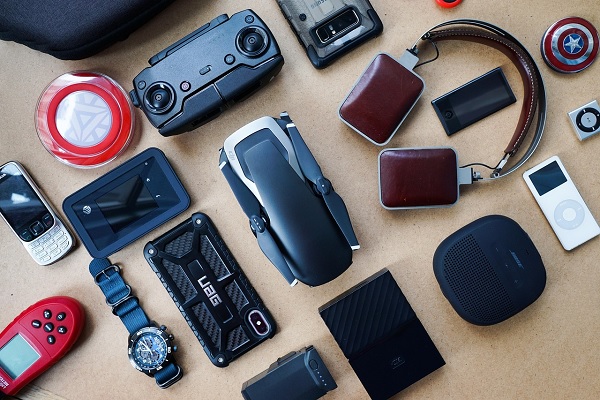
Smartphones, social media, and digital entertainment are part of everyday life, but excessive screen time can sometimes interfere with other activities. Frequently checking notifications may interrupt concentration, while using devices late at night can make it harder for some people to relax before sleep.
Creating simple digital boundaries can help. Turning off unnecessary notifications, keeping the phone away during meals, or setting aside time for activities without screens can encourage a healthier relationship with technology.
These changes do not require avoiding digital devices completely. The aim is to use technology intentionally while leaving enough time for hobbies, conversations, outdoor activities, and personal responsibilities.
Find a Balance Between Work and Personal Time
A busy schedule can make it easy to postpone enjoyable activities until everything else is finished. However, work and responsibilities rarely disappear completely, so waiting for the perfect moment to relax may lead to unnecessary stress.
Planning personal time can help create a more balanced routine. Reading, cooking, listening to music, spending time with friends, or pursuing a hobby can provide opportunities to recharge.
Setting realistic priorities is also important. Completing the most important tasks first, breaking large projects into smaller steps, and learning when to say no can make schedules easier to manage. A balanced lifestyle is not about doing everything perfectly; it is about making room for the things that matter.
Build Habits You Can Maintain
Lifestyle improvements are more likely to last when they fit naturally into daily life. Attempting to change too many habits at once can feel overwhelming, especially when work, family, and other responsibilities compete for attention.
A better approach is to start with one practical change and repeat it regularly. Someone who wants to read more can begin with a few pages each evening. A person who wants to spend less time online can introduce a short phone-free period during the day.
Progress may be gradual, and routines may occasionally be interrupted. Instead of abandoning a habit after missing a day, it is more useful to return to it when possible and adjust the plan when necessary.
Conclusion
An enjoyable lifestyle is built through everyday choices that support comfort, balance, and personal well-being. Establishing a suitable morning routine, organizing living spaces, staying active, managing screen time, and protecting personal time can all contribute to a more satisfying daily experience.
The most effective changes are not necessarily the biggest ones. By choosing realistic habits and maintaining them consistently, people can create routines that suit their individual needs and make ordinary days feel more manageable and rewarding.