Healthy Meal Planning Made Simple
Eating healthy doesn’t have to be complicated or expensive. With a little planning, you can enjoy balanced meals, save time, reduce food waste, and make better nutrition choices every day. Healthy meal planning is simply the practice of deciding what you'll eat in advance, making it easier to stick to your health goals even on busy days.
One of the best ways to start is by creating a weekly meal plan. Choose simple recipes that use similar ingredients to minimize grocery costs and avoid food waste. For example, vegetables bought for a salad can also be used in soups, stir-fries, or wraps. Planning your meals before shopping helps you buy only what you need and reduces the temptation to purchase unhealthy snacks.
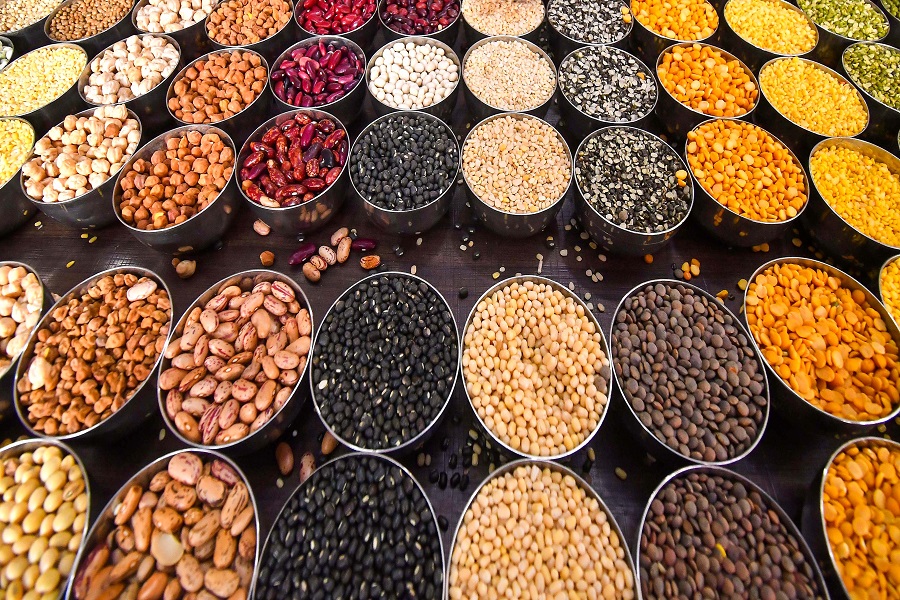
A balanced meal should include a good source of protein, whole grains, healthy fats, and plenty of fruits or vegetables. Protein-rich foods such as lentils, beans, eggs, fish, chicken, tofu, or paneer help keep you full for longer. Whole grains like brown rice, oats, and whole wheat provide lasting energy, while healthy fats from nuts, seeds, and olive oil support heart and brain health. Filling half your plate with colorful vegetables adds essential vitamins, minerals, and fiber.
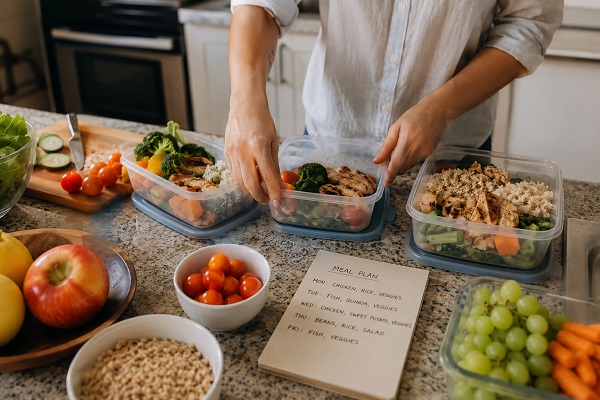
Meal preparation is another time-saving strategy. Spending just an hour or two on the weekend to wash vegetables, cook grains, prepare healthy snacks, or portion meals can make weekday cooking much easier. Storing meals in airtight containers also helps maintain freshness and makes healthy eating more convenient.
Healthy snacking is equally important. Instead of reaching for processed foods, keep nutritious options like fresh fruit, yogurt, roasted chickpeas, nuts, or homemade smoothies readily available. Drinking enough water throughout the day also supports digestion, energy levels, and overall well-being.
Flexibility is the key to successful meal planning. Your plan doesn't have to be perfect—unexpected events may require changes, and that's completely normal. Focus on consistency rather than perfection. Even small improvements, such as cooking one extra homemade meal each week or replacing sugary drinks with water, can have a lasting impact on your health.
Healthy meal planning is not about restrictive diets or eliminating your favorite foods. It's about making thoughtful choices that nourish your body while fitting into your lifestyle. By planning ahead and choosing balanced, wholesome meals, you can improve your nutrition, save money, reduce stress, and build healthy eating habits that last a lifetime.