Government withdraws emergency natural gas supply curbs as Strait of Hormuz LNG shipments resume
The Centre has withdrawn most provisions of the emergency natural gas supply regulation order introduced during the West Asia conflict, citing the resumption of liquefied natural gas (LNG) shipments through the Strait of Hormuz following a ceasefire and an improvement in the regional supply situation.
In an official notification, the Ministry of Petroleum and Natural Gas amended the Natural Gas (Supply Regulation) Order, 2026, removing key operational provisions that had empowered the government to regulate the allocation of domestically produced natural gas and imported LNG according to a priority customer list.
The ministry said the situation in West Asia has improved significantly, with a ceasefire in place, negotiations underway and maritime traffic through the Strait of Hormuz resuming. The restoration of shipping through the strategic waterway has eased concerns over fuel and gas supplies to India.
The emergency gas supply regulations were introduced under the Essential Commodities Act after the conflict in West Asia disrupted LNG shipments through the Strait of Hormuz. The disruption followed military hostilities involving the United States, Israel and Iran, prompting some LNG suppliers to invoke force majeure and divert cargoes, raising concerns over India's gas availability.
The gas supply restrictions formed part of three emergency measures taken by the government to safeguard domestic energy supplies. The other two measures-directing refiners to maximise LPG production by diverting feedstock from petrochemical units and restricting diesel sales to bulk consumers-had already been withdrawn after the supply situation normalised.
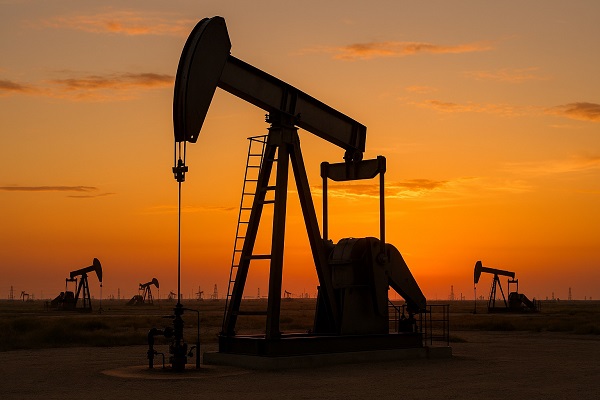
India remains heavily dependent on imports to meet its energy demand, importing around 88 per cent of its crude oil requirement and nearly half of its natural gas consumption. Around 40-45 per cent of the country's crude oil imports and nearly 65 per cent of LNG supplies originate from West Asia, making the Strait of Hormuz a critical route for India's energy security.
While India was able to diversify crude oil purchases by sourcing supplies from other producers during the disruption, natural gas imports remained particularly vulnerable because most LNG cargoes from Qatar transit through the Strait of Hormuz.