Fast Fashion vs Sustainable Fashion: What's the Difference?
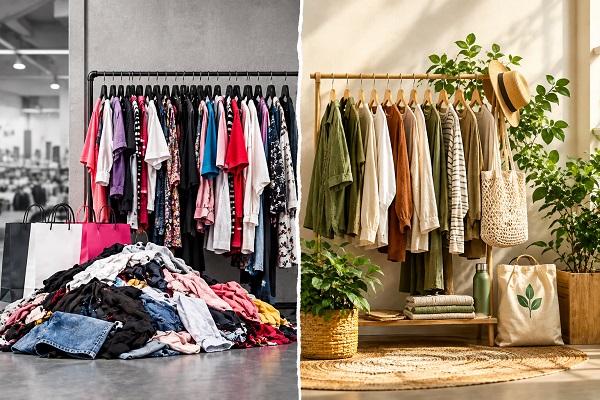
Fashion is constantly changing, with new styles and trends appearing almost every season. While this gives shoppers more choices, it has also created a major debate around how clothes are produced, purchased and discarded. Two terms that often come up in this discussion are fast fashion and sustainable fashion.
Understanding the difference between the two can help consumers make smarter choices while balancing style, affordability and environmental responsibility.
What Is Fast Fashion?
Fast fashion refers to clothing that is produced quickly and sold at relatively low prices to keep up with changing trends. Fashion companies can move designs from the runway or social media to stores within a short period.
The biggest attraction of fast fashion is affordability. Consumers can purchase trendy clothes without spending a lot of money, making it easy to experiment with different styles.
However, the fast production cycle can encourage people to buy more clothes and replace them frequently. This can contribute to higher levels of textile waste and resource consumption.
What Is Sustainable Fashion?
Sustainable fashion focuses on reducing the environmental and social impact of clothing throughout its lifecycle.
This can include using more responsibly sourced materials, reducing waste, improving production practices, creating durable clothing and encouraging consumers to buy fewer but better-quality pieces.
Sustainable fashion does not necessarily mean that every product is completely environmentally friendly. Instead, it aims to make the fashion industry more responsible and reduce unnecessary environmental and social costs.
Fast Fashion vs Sustainable Fashion
The biggest difference is the approach to production and consumption.
Fast fashion generally focuses on:
Quick production
Low prices
Frequent trend changes
High-volume manufacturing
Shorter product cycles
Sustainable fashion generally focuses on:
Longer-lasting clothing
Responsible material choices
Reduced waste
More thoughtful consumption
Better production practices
Neither approach is simply about how expensive a piece of clothing is. A costly item is not automatically sustainable, and an affordable item is not necessarily fast fashion.
Environmental Impact
One of the major concerns surrounding fast fashion is its environmental footprint. Producing clothing requires resources such as water, energy and raw materials. Manufacturing, transportation and disposal can also contribute to pollution and greenhouse gas emissions.
Sustainable fashion attempts to address these challenges through approaches such as recycled materials, more efficient production, durable designs, clothing repair and reuse.
Consumers can also reduce their personal impact by wearing clothes for longer instead of constantly replacing them.
The Problem of Textile Waste
Fashion trends can change quickly, encouraging consumers to purchase new clothes even when their existing wardrobe is still usable.
When unwanted clothing is discarded rather than reused, donated or recycled, it can add to the growing problem of textile waste.
A more sustainable approach is to think about the entire life of a garment. Buying versatile clothing, repairing damaged pieces and donating items that are no longer needed can help extend their usefulness.
Cost: Fast Fashion vs Sustainable Fashion
Fast fashion is usually attractive because of its lower upfront price. Someone can purchase several trend-focused pieces for the cost of one premium garment.
Sustainable fashion can sometimes have a higher initial price because of material choices, manufacturing processes or product quality. However, a durable garment that is worn regularly for several years may offer better value over time.
Instead of looking only at the purchase price, consumers can consider cost per wear.
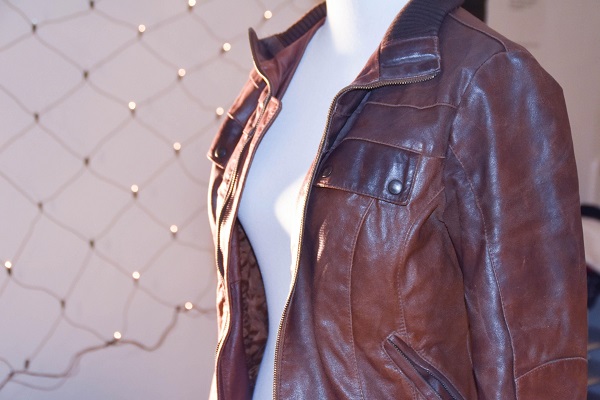
For example, a Rs.1,500 jacket worn 30 times costs Rs.50 per wear. A Rs.4,000 jacket worn 100 times costs Rs.40 per wear. The more frequently a quality item is used, the more economical it can become over its lifetime.
Can You Enjoy Fashion and Still Be Sustainable?
Absolutely. Sustainable fashion does not require completely abandoning trends or never buying new clothes.
Simple habits can make a difference:
Buy clothes that you genuinely expect to wear regularly.
Choose versatile pieces that work with multiple outfits.
Look for good-quality construction.
Take proper care of your clothes.
Repair garments instead of immediately replacing them.
Donate or resell clothes that are still usable.
Consider second-hand clothing.
Avoid buying something simply because it is trending.
Build a wardrobe gradually rather than purchasing everything at once.
Which Is Better?
Sustainable fashion offers a more responsible approach to clothing consumption, particularly when it encourages durability, reuse and reduced waste.
At the same time, affordability matters. Not everyone can immediately replace their entire wardrobe with premium sustainable products. Consumers should therefore focus on making practical improvements rather than trying to achieve a completely sustainable wardrobe overnight.
The goal can be simple: buy less, choose better and use clothes for longer.
Final Thoughts
Fast fashion has made modern clothing more affordable and accessible, but its rapid production and consumption model comes with environmental and social concerns. Sustainable fashion aims to create a more responsible alternative by focusing on durability, resource efficiency, reuse and conscious consumption.
Consumers have an important role in this transition. Even small changes—such as buying fewer unnecessary clothes, taking better care of existing garments and choosing versatile pieces—can help create a more thoughtful fashion culture.
Fashion is ultimately about personal expression. Looking stylish and making more responsible choices do not have to be opposites.