Fabric Guide: Understanding Different Types of Fabrics and How to Choose the Right One
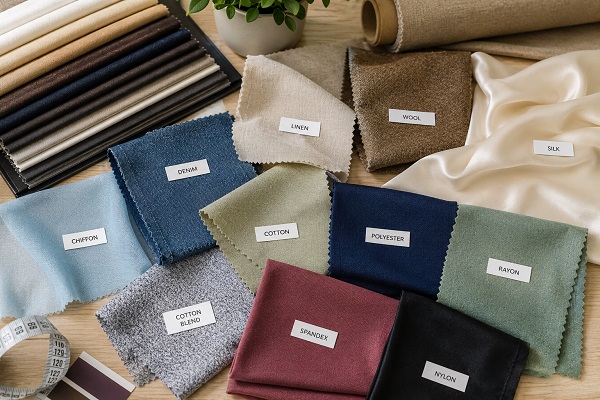
The fabric you choose can significantly influence the comfort, appearance, durability, and functionality of your clothing. Whether you're shopping for everyday wear, office attire, sportswear, or special occasions, understanding different fabric types can help you make smarter purchasing decisions.
From breathable cotton to luxurious silk and performance-focused synthetic blends, every fabric has its own strengths and ideal uses. This guide explains the most common fabrics, their characteristics, and how to choose the right one for your lifestyle.
Why Fabric Matters
While design and color often catch our attention first, fabric determines how a garment feels, performs, and lasts over time.
The right fabric can provide:
* Better comfort
* Improved breathability
* Greater durability
* Easier maintenance
* Enhanced appearance
* Better seasonal suitability
Understanding fabric labels can also help you care for your clothes properly and extend their lifespan.
Cotton
Cotton is one of the world's most widely used natural fibers and is valued for its softness, breathability, and versatility.
Advantages
* Soft and comfortable
* Highly breathable
* Absorbs moisture well
* Suitable for sensitive skin
* Easy to wash
Best For
* T-shirts
* Shirts
* Casual wear
* Summer clothing
* Children's clothing
Considerations
Cotton can wrinkle easily and may shrink if not washed according to care instructions.
Linen
Made from flax fibers, linen is known for its lightweight feel and exceptional airflow.
Advantages
* Excellent breathability
* Keeps the body cool
* Natural texture
* Moisture-wicking
* Durable
Best For
* Summer shirts
* Dresses
* Trousers
* Resort wear
Considerations
Linen wrinkles more easily than many other fabrics, which is often considered part of its relaxed aesthetic.
Silk
Silk is a natural protein fiber prized for its smooth texture and elegant appearance.
Advantages
* Luxurious feel
* Lightweight
* Temperature regulating
* Natural sheen
* Comfortable against the skin
Best For
* Formal wear
* Evening dresses
* Scarves
* Premium shirts
Considerations
Silk generally requires gentle care and may need hand washing or professional cleaning depending on the garment.
Wool
Wool is an excellent insulating fabric that provides warmth while remaining breathable.
Advantages
* Excellent insulation
* Moisture management
* Naturally odor resistant
* Durable
* Comfortable in cooler climates
Best For
* Sweaters
* Coats
* Suits
* Winter accessories
Considerations
Some wool garments may feel itchy, though premium varieties such as merino wool are typically softer.
Polyester
Polyester is a synthetic fiber commonly used because of its durability and wrinkle resistance.
Advantages
* Strong and durable
* Quick drying
* Wrinkle resistant
* Affordable
* Holds its shape well
Best For
* Sportswear
* Jackets
* Everyday clothing
* Travel apparel
Considerations
Polyester is generally less breathable than natural fabrics, although modern blends have improved comfort.
Rayon
Rayon is a semi-synthetic fabric known for its softness and flowing appearance.
Advantages
* Soft texture
* Comfortable
* Drapes beautifully
* Lightweight
Best For
* Dresses
* Blouses
* Skirts
* Casual wear
Considerations
Some rayon garments require delicate washing and may lose strength when wet.
Denim
Denim is a durable cotton fabric that has remained a wardrobe staple for decades.
Advantages
* Extremely durable
* Timeless style
* Versatile
* Long-lasting
Best For
* Jeans
* Jackets
* Shirts
* Casual fashion
Considerations
Raw denim can feel stiff initially but becomes more comfortable with wear.
Nylon
Nylon is a lightweight synthetic fabric often used in activewear and outdoor clothing.
Advantages
* Lightweight
* Strong
* Water resistant
* Quick drying
### Best For
* Sportswear
* Backpacks
* Windbreakers
* Outdoor gear
### Considerations
Nylon may retain odors more than natural fibers if not cleaned properly.
## Spandex (Elastane)
Spandex is known for its exceptional stretch and flexibility.
### Advantages
* Excellent elasticity
* Comfortable fit
* Supports movement
* Retains shape
### Best For
* Gym wear
* Leggings
* Swimwear
* Athletic clothing
Considerations
It is usually blended with other fabrics rather than used alone.
Fabric Blends
Many modern garments combine different fibers to maximize performance.
Examples include:
* Cotton + Polyester for comfort and durability
* Cotton + Elastane for flexibility
* Wool + Polyester for wrinkle resistance
* Linen + Cotton for softness and breathability
Blended fabrics often offer the best balance of comfort, durability, and easy maintenance.
Choosing Fabric Based on the Season
Summer
Choose lightweight, breathable fabrics such as:
* Cotton
* Linen
* Rayon
Winter
Opt for insulating fabrics like:
* Wool
* Fleece
* Cashmere
* Heavy cotton blends
Rainy Season
Quick-drying fabrics are ideal:
* Polyester
* Nylon
* Performance blends
Selecting season-appropriate fabrics can improve comfort throughout the year.
Caring for Different Fabrics
Proper maintenance helps clothing last longer.
General care tips include:
* Read the care label before washing.
* Wash delicate fabrics with mild detergent.
* Avoid excessive heat when drying.
* Store wool garments in a dry place.
* Iron fabrics at the recommended temperature.
* Fold knitwear to maintain its shape.
Following care instructions can preserve the appearance and durability of your clothes.
Sustainable Fabric Choices
As sustainability becomes more important, many consumers are choosing environmentally friendly fabrics.
Popular options include:
* Organic cotton
* Linen
* Hemp
* Bamboo blends
* Recycled polyester
* TENCEL™ Lyocell
These materials are often produced with reduced environmental impact while offering comfort and durability.
Final Thoughts
Understanding different fabric types allows you to make informed choices that match your comfort, lifestyle, climate, and budget. Whether you're buying everyday essentials, formal attire, or activewear, paying attention to fabric composition can improve both the look and longevity of your wardrobe.
Rather than focusing only on style, consider how a garment's fabric performs in everyday use. A thoughtful fabric choice can enhance comfort, reduce maintenance, and ensure your clothing remains in excellent condition for years to come.