ECOSCOPE : The Economy Observer : North Block Visit: GoI's next investment cycle by Motilal Oswal Financial Services Ltd
The Big Picture: India's Next Investment Cycle
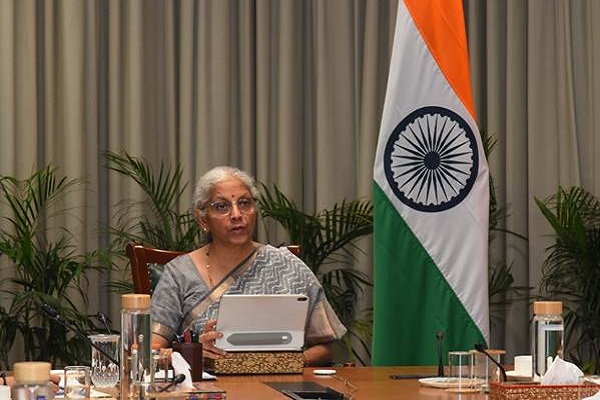
* Recent interactions across key ministries in North Block provided valuable first-hand insights into the government's evolving policy priorities. The discussions suggest a shift from building infrastructure toward building globally competitive manufacturing capabilities in electronics, maritime, and logistics ecosystems.
* The next phase of reforms focuses on productivity enhancement, localization, supply chain resilience, and technology acquisition.
The Policy Focus is Shifting from Capacity Creation to Ecosystem Building
The government's semiconductor strategy appears to be entering a new phase. The objective is no longer limited to attracting large fabrication projects through generous fiscal incentives. Instead, the focus is gradually shifting toward building a self-sustaining semiconductor ecosystem by deepening domestic supply chains, encouraging electronics design capabilities, and improving value addition within India. While Semicon 1.0 focused on creating manufacturing capacity, Semicon 2.0 is expected to strengthen the broader ecosystem supporting manufacturing.
Semicon 2.0: Broadens the Opportunity Set
The revised policy is expected to move beyond semiconductor fabrication and support a wider electronics manufacturing ecosystem. Likely beneficiaries include manufacturers of specialty chemicals, industrial gases, semiconductor materials, and other upstream electronic components. More importantly, states would also be required to fund the subsidy bill, although the quantum would be lower vs. centre
A broader supplier ecosystem improves domestic value addition, strengthens supply chain resilience, encourages technology transfer, enhances manufacturing competitiveness, and reduces dependence on imported intermediate inputs.
According to the ministry, 36 applications were received under Semicon 1.0, of which 14 were approved and 22 rejected. Several rejected proposals reportedly contained inflated project costs or unrealistic assumptions. This experience has influenced the design of Semicon 2.0, with greater emphasis on project viability, execution capability, and long-term sustainability.
From 'Make in India' to 'Design in India'
Officials acknowledged that India has made significant progress in electronics manufacturing but continues to lag in electronics design. The next phase of policy aims to gradually transition India from Electronics Manufacturing Services (EMS) toward Electronics Design Services (EDS), enabling higher value addition through product design, engineering, and intellectual property creation.Selective foreign participation is being viewed as a means of bridging technology and design gaps where domestic capabilities remain limited. The expectation is that Indian firms will progressively internalize these capabilities over time.
Our View:
Semicon 2.0 represents a strategic evolution rather than a scaling back of India's semiconductor ambitions. The emphasis is shifting from attracting individual projects toward creating a complete semiconductor ecosystem, strengthening domestic design capabilities and increasing upstream value addition. In our view, this marks the next phase of India's electronics manufacturing story.
For More Research Reports : Click Here
For More Motilal Oswal Securities Ltd Disclaimer
http://www.motilaloswal.com/MOSLdisclaimer/disclaimer.html
SEBI Registration number is INH000000412