Dollar Dominance Slides to Multi-Decade Low: A Structural Shift in Global Reserves by Amit Gupta Kedia Advisory
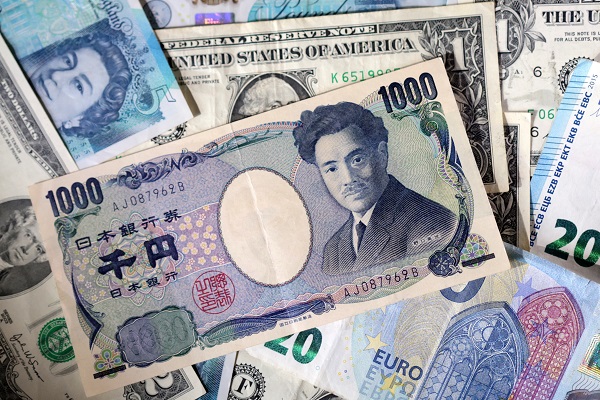
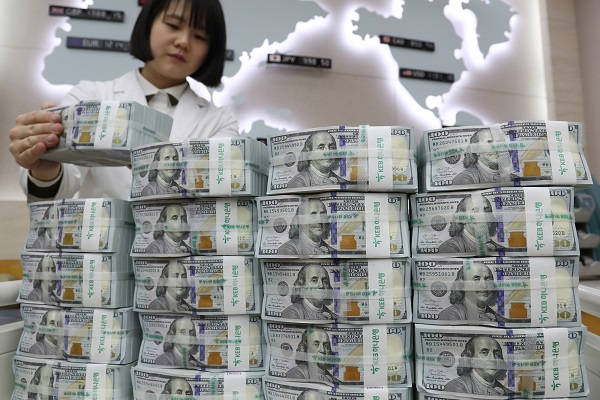
The global monetary landscape is undergoing a structural transformation, with the US Dollar Index losing relative dominance in global reserves. The US Dollar now accounts for approximately 46% of global FX and gold reserves, marking its lowest level in at least 26 years and reflecting a sharp 15-percentage-point decline since 2017.
Even when excluding gold, the dollar’s share stands at 57% of global reserves, the weakest level since 1994, according to IMF data. This trend clearly indicates that central banks are actively diversifying reserve holdings, reducing overdependence on a single currency.
Historically, such declines in dollar dominance have coincided with periods of macro stress and economic uncertainty. The last time the dollar’s share fell below 50% (1990–91), the global economy faced high inflation, recessionary pressures, and a loss of confidence in US economic stability.
Key Drivers Behind the Shift
* Rising geopolitical fragmentation and sanctions-led diversification
* Increasing allocation toward gold and alternative currencies
* Strategic reserve rebalancing by emerging economies
View:
“The dollar is not collapsing—but its monopoly over global reserves is clearly weakening.”
Conclusion:
The world is gradually moving toward a multi-polar reserve system, where diversification replaces concentration.
* This transition is structurally bullish for gold and real assets, as reserve managers seek stability beyond fiat concentration.”
Above views are of the author and not of the website kindly read disclaimer