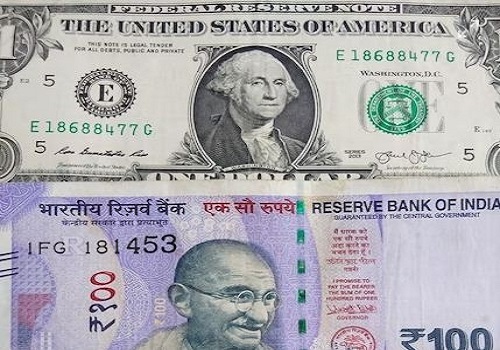
Currency market on tenterhooks as Iran war weighs on sentiment
The dollar held its ground on Wednesday as traders moved to the sidelines, awaiting cues on what comes next in the U.S.-Israeli war with Iran while mixed messages on a resolution to the conflict kept sentiment frail.
Global markets have been betting that U.S. President Donald Trump will seek to end the conflict soon, but Trump has also repeatedly threatened to hit Iran hard over moves to stop the flow of energy supplies through the Strait of Hormuz.
The dollar, which has surged as the more than week-long war sent oil prices soaring, has given up some of those gains on hopes of a swift resolution, but analysts remain sceptical of the conflict ending so soon.
"We expect the war to run for months, not weeks, while acknowledging the high level of uncertainty," said Kristina Clifton, senior currency strategist at Commonwealth Bank of Australia.
The U.S. and Israel pounded Iran on Tuesday with what the Pentagon and Iranians on the ground called the most intense airstrikes of the war.
Raising the stakes for the global economy, Iran's Islamic Revolutionary Guard Corps said it would block oil shipments from the Gulf unless U.S. and Israeli attacks ceased.
The fast-evolving developments in the Middle East have left traders grappling with how to best price the risk, and for now they appear to be on the sidelines.
"Traders are largely sitting on their hands and waiting for further news and greater clarity so that risk can be priced more efficiently," said Chris Weston, head of research at Pepperstone.
The euro last bought $1.16205 in early Asian hours, slightly stronger than the three-month low it touched on Monday. Sterling was 0.12% higher at $1.34305.
The dollar index, which measures the U.S. unit against six other rivals, was at 98.876, inching away from the three-month top hit on Monday.
The risk-sensitive Australian dollar hovered close to the nearly four-year high it touched on Tuesday and last bought $0.713.
Much of the Aussie's gains came after Reserve Bank of Australia Deputy Governor Andrew Hauser on Tuesday warned that the spike in oil prices would push inflation higher and add to pressure for a rate rise at its policy meeting next week.
"The war in the Middle East has had some large impacts on expectations for central bank interest rates," CBA's Clifton said. "Since the war began at the end of February markets have either moved from pricing cuts to pricing hikes, or to pricing less cuts than previously."
Fed funds futures traders are now pricing in 39.7 basis points of cuts by year-end, indicating doubts over whether the U.S. central bank will make a second 25-basis-point cut this year.
Investor focus will be on the U.S. inflation data for February later on Wednesday. It is expected to show that core consumer prices rose by 0.2% during the month while headline prices rose by 0.3%, according to economists polled by Reuters.
Meanwhile, the Wall Street Journal reported on Tuesday that the International Energy Agency has proposed the largest release of oil reserves in its history to bring down crude prices that have soared due to the war.