Best Features for Long Road Trips
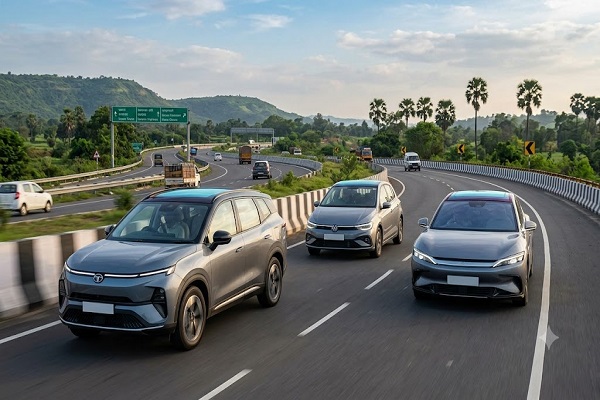
Long road trips can be exciting, but spending several hours on the road requires more than just a powerful engine. The right features can make a car or bike more comfortable, safer, and easier to handle over long distances.
Whether you're planning a highway journey, a weekend getaway, or a long-distance road trip, these are some of the most useful features to look for.
1. Comfortable Seating
Comfortable seats are one of the most important features for long journeys. Good cushioning, proper lumbar support, and sufficient legroom can reduce fatigue during hours of driving or riding.
For cars, adjustable seats and a supportive driving position can make a major difference. On bikes, a well-designed seat and relaxed riding position can help reduce discomfort.
2. Good Fuel Efficiency and Range
Long-distance travel often means fewer opportunities to refuel. A vehicle with good fuel efficiency and a decent fuel-tank range can make highway journeys more convenient.
A longer range also reduces the need for frequent fuel stops, allowing you to cover more distance comfortably.
3. Cruise Control
Cruise control can be particularly useful on long, open highways. It allows the car to maintain a relatively consistent speed without continuously pressing the accelerator.
Adaptive cruise control goes a step further by adjusting speed based on traffic conditions when available.
4. Strong Safety Features
Safety should be a priority on every road trip. Cars with features such as multiple airbags, electronic stability control, anti-lock braking systems, and advanced driver-assistance systems can provide additional protection.
For motorcycles, ABS, traction control, good-quality tyres, and strong braking performance can improve confidence and safety.
5. Navigation and Smartphone Connectivity
Built-in navigation or smartphone connectivity can make unfamiliar routes easier to manage.
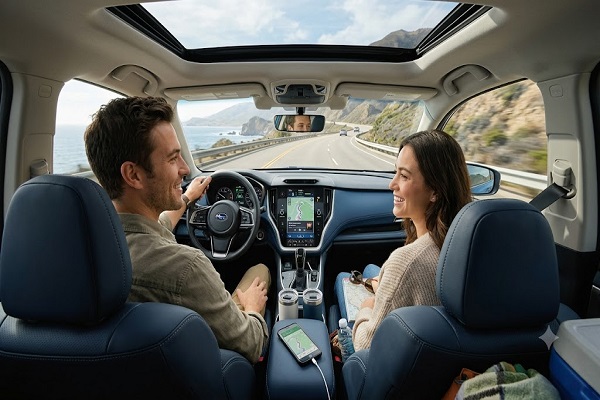
Features such as Android Auto and Apple CarPlay can provide access to navigation, music, calls, and other compatible apps without requiring constant phone handling.
6. Good Suspension
A good suspension system helps make long journeys more comfortable by absorbing bumps and uneven road surfaces.
This is particularly useful when travelling across highways, rural roads, or routes with varying road conditions.
7. Ample Storage Space
Storage becomes important when travelling with luggage.
Cars with a reasonably large boot can accommodate bags and travel equipment more easily. On bikes, panniers, top boxes, or other secure luggage solutions can make longer journeys more practical.
8. Reliable Air Conditioning and Ventilation
Temperature control becomes especially important during long journeys. A reliable air-conditioning system can keep passengers comfortable during hot weather.
For motorcycles, proper riding gear and ventilation are equally important for maintaining comfort during extended rides.
9. Good Lighting
Good headlights can improve visibility during night driving or riding, particularly on poorly lit roads.
LED lighting, automatic headlamps, and other useful lighting features can make nighttime travel more convenient, although drivers and riders should always use appropriate speeds for road conditions.
10. Tyre and Pressure Monitoring
Tyres play a critical role in road safety. A tyre-pressure monitoring system in a car can alert the driver when tyre pressure becomes too low or changes unexpectedly.
For bikes, checking tyre pressure, tread condition, and overall tyre health before a long trip is essential.
11. USB Ports and Charging
Smartphones are often used for navigation, communication, photography, and entertainment during road trips. Convenient charging ports can help keep devices powered throughout the journey.
Some vehicles also offer wireless charging, which can make charging more convenient.
12. Rider and Driver Assistance Features
Modern vehicles increasingly offer features designed to reduce fatigue and improve awareness. Depending on the vehicle, these can include blind-spot monitoring, lane-departure warnings, rear cross-traffic alerts, parking cameras, and other driver-assistance technologies.
These features should support the driver rather than replace attention and responsible driving.
13. Good Braking Performance
Reliable brakes are essential for highway travel. Cars with strong braking systems and motorcycles equipped with ABS can provide better control during sudden stops.
However, technology cannot compensate for unsafe speeds or poor following distances.
14. Wind Protection for Bikes
For motorcycles, wind protection can have a significant effect on long-distance comfort. A properly designed windscreen or fairing can reduce the amount of wind hitting the rider at highway speeds.
This can help reduce fatigue during extended rides.
15. Useful Driver Information
A clear instrument cluster or digital display can provide useful information such as fuel range, tyre pressure, navigation instructions, trip distance, and other vehicle data.
Having important information easily visible can help the driver stay informed without unnecessary distractions.
Conclusion
The best vehicle for a long road trip isn't necessarily the fastest or most expensive one. Comfort, safety, reliability, fuel range, storage, connectivity, and good handling are often more important when travelling long distances.
Before starting a road trip, it's also important to check tyre condition, fluid levels, brakes, lights, fuel, and other basic components. Combining a well-equipped vehicle with responsible driving or riding habits can make long journeys safer, more comfortable, and more enjoyable.




.jpg)