Asia markets rebound, oil dives as Trump says Iran war could end soon
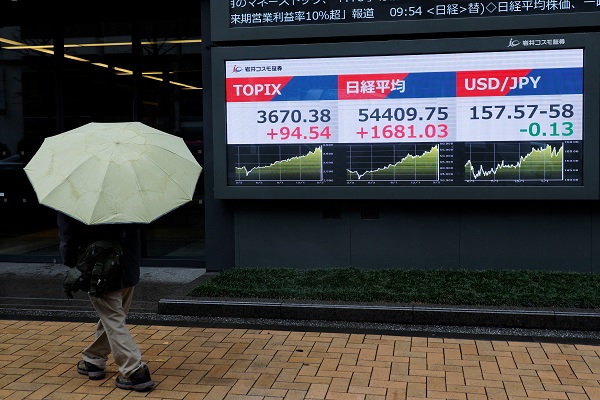
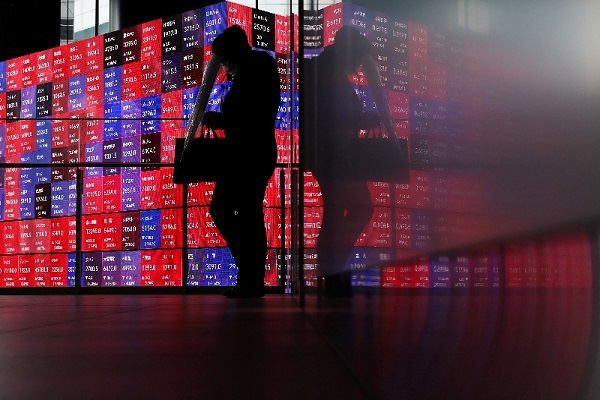
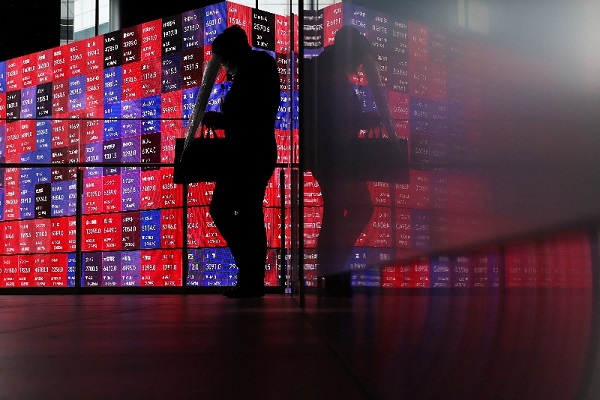
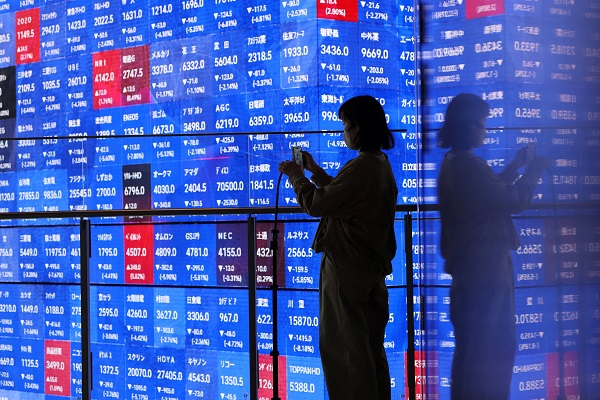
Asian stocks rallied and oil prices plunged at the start of trading on Tuesday, following a volatile session for markets overnight after U.S. President Donald Trump declared the Middle East war could be "over soon."
MSCI's broadest index of Asia-Pacific shares outside Japan was up 2.6%, paring losses since the start of the conflict, while Brent crude futures fell as much as 10% to below $90 per barrel as trading resumed. U.S. equity futures were more muted, with S&P 500 e-mini futures down 0.2% to pare Monday's rebound.
Trump's remarks injected a burst of optimism that contrasted sharply with events in Iran, where hardliners rallied behind new Supreme Leader Mojtaba Khamenei in a pointed show of defiance.
The competing signals whipsawed global markets on Monday: oil prices initially spiked and stocks on Wall Street tumbled before rebounding sharply after Trump's comments and fresh reports suggesting Washington may soften sanctions on Russian energy.
"While all of this has helped ease some of the short-term panic, it's hard to reconcile the idea of the conflict being 'very complete'", said Tony Sycamore, market analyst at IG in Sydney.
"Nonetheless, the toning down of President Trump's rhetoric, from demanding full surrender to declaring the mission 'very complete', is a welcome development that should help settle nerves for today's session in Asia, at least."
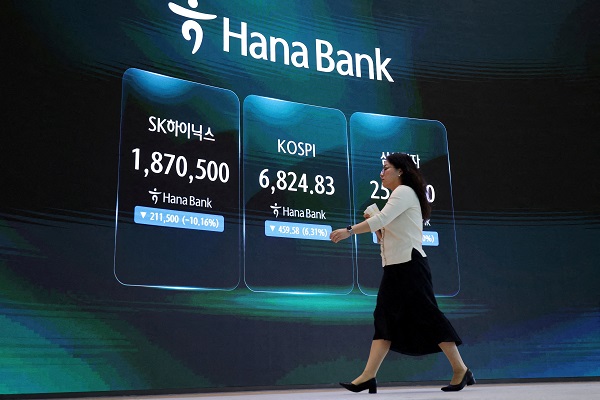
With investor confidence steadying after Monday's selloff amid signs of increased risk-taking by retail investors, Japan's Nikkei 225 jumped 3.6%, while South Korea's Kospi surged 6.4%. The gains prompted the Korea Exchange to trigger a sidecar trading curb after futures rose more than 5%, halting programme trading for five minutes.
The backdrop for markets remained tense, however, with Iran's military warning that it would step up its missile strikes in a further sign of defiance.
"If Iran does anything that stops the flow of oil within the Strait of Hormuz, they will be hit by the United States of America TWENTY TIMES HARDER than they have been hit thus far," Trump said in a post on Truth Social afterwards.
U.S. Treasury bonds recovered after Monday's spike in oil prices sparked an inflation scare and fuelled expectations that central banks in Europe could tighten policy later this year.
The yield on the U.S. 10-year Treasury bond was down 2.3 basis points at 4.109% as traders pushed out bets on the timing of the Federal Reserve's next rate cut, with the first reduction now not seen until July, according to the CME Group's FedWatch tool.
"We are still at troubling levels," analysts from ING said, referring to bond yields. "Expect nominal yields to fall for a bit on a reversal trade. But don't expect a dramatic structural rally in bonds," they wrote in a client note. "Remember, we still have clear inflation impulses to overcome, and the economy is down but not out."
The U.S. dollar index, which measures the greenback's strength against a basket of six major peers, retraced all of its gains of the past week and was trading down 0.1% at 98.79.
Gold was down 0.1% at $5,133.55, holding within its trading channel of the past week, while cryptocurrencies remained directionless, holding the same range they have tracked since the beginning of February.
Bitcoin was up 0.2% at $69,127.60, while ether was down 0.4% at $2,018.69.