Ardha Halasana: How Half Plow Pose Supports Physical and Mental Well-Being
Yoga is known for its ability to improve flexibility, strength, balance, and relaxation. Among the many yoga postures, Ardha Halasana (Half Plow Pose) is a simple yet beneficial asana that can be included in a regular yoga routine. When practised correctly, it may help strengthen the abdominal and lower-body muscles while promoting relaxation and body awareness.
What Is Ardha Halasana?
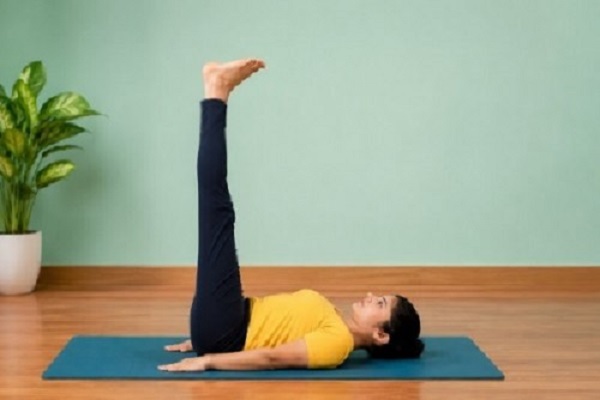
Ardha Halasana is a variation of Halasana, or Plow Pose. In this posture, the legs are raised while the upper body remains supported on the floor. Compared with the full Plow Pose, Ardha Halasana is generally simpler and can be suitable for people who are beginning to explore leg-raising yoga postures.
Benefits of Ardha Halasana
1. Strengthens the Core
Lifting and holding the legs engages the abdominal muscles. Regular practice may help improve core strength and stability.
2. Supports Leg Strength and Flexibility
The posture engages the thighs and lower-leg muscles while encouraging gentle stretching through the back of the legs.
3. May Support Better Digestion
Yoga movements that engage the abdominal region are traditionally associated with digestive wellness. Combined with healthy eating and regular physical activity, yoga may support overall digestive health.
4. Encourages Relaxation
Controlled breathing and mindful movement can help calm the mind and reduce everyday stress. Practising Ardha Halasana slowly may encourage concentration and relaxation.
5. Improves Body Awareness
Maintaining the posture requires attention to breathing, alignment, and muscle engagement. This can improve awareness of how the body moves and responds.
How to Perform Ardha Halasana Correctly
Lie flat on your back on a yoga mat.
Keep your legs together and place your arms beside your body.
Take a slow breath in.
As you exhale, gently raise both legs upward while keeping them straight.
Lift the legs to a comfortable angle without forcing the movement.
Keep your lower back and shoulders relaxed and avoid lifting your head.
Breathe normally while holding the position for a few seconds.
Slowly lower your legs back to the floor while maintaining control.
Relax for a few moments and repeat according to your comfort level.
Precautions to Keep in Mind
Ardha Halasana should be performed gently and without sudden movements. Beginners should avoid forcing their legs higher than they comfortably can. People with back or neck problems, recent injuries, or other medical concerns should consult a qualified healthcare professional or experienced yoga instructor before practising the posture.
If you experience sharp pain, dizziness, unusual discomfort, or difficulty breathing, stop the exercise.
Best Time to Practise
Ardha Halasana can be included in a regular yoga session, preferably when the body has been gently warmed up. Practising on an empty or relatively light stomach is commonly recommended for yoga. Focus on slow movements and steady breathing rather than trying to hold the pose for a long time.
Final Thoughts
Ardha Halasana is a simple yoga posture that can complement a balanced fitness and wellness routine. With consistent and mindful practice, it may help improve core engagement, leg strength, flexibility, concentration, and relaxation. The key is to practise with proper technique and respect your body's limits rather than forcing the posture.