Adventure Riding Essentials: Everything You Need for a Safe and Memorable Journey
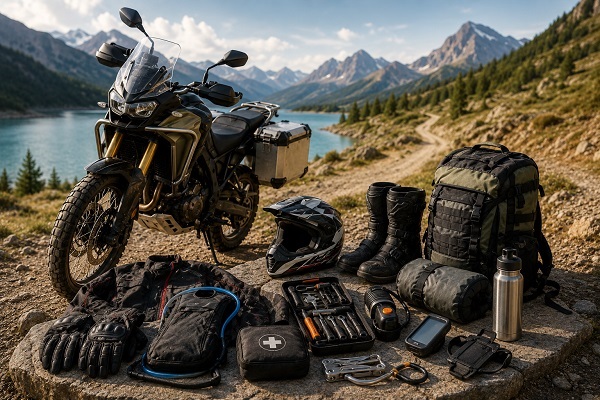
Adventure riding combines the thrill of exploration with the freedom of the open road. Whether you're tackling mountain trails, winding forest roads, desert tracks, or cross-country highways, being properly equipped can make all the difference. From protective gear to navigation tools, every item you carry contributes to your comfort, safety, and overall riding experience.
If you're planning your next motorcycle adventure, here's a complete guide to the essential gear and equipment every adventure rider should have.
Invest in a Reliable Adventure Motorcycle
Your motorcycle is the foundation of every adventure. Choose one that's suitable for both paved roads and off-road terrain. Look for features like long-travel suspension, comfortable ergonomics, good fuel range, and reliable performance.
Regular servicing before every trip ensures your motorcycle is ready for long-distance riding and challenging conditions.
Wear Quality Riding Gear
Protective riding gear is your first line of defense in case of accidents or harsh weather.
Essential Riding Gear
DOT/ECE-certified adventure helmet
Abrasion-resistant riding jacket
Riding pants with armor
Waterproof riding boots
Protective gloves
Knee and elbow guards
Reflective riding vest for night visibility
Comfortable gear also helps reduce fatigue during long rides.
Carry a Basic Tool Kit
Mechanical issues can happen anywhere, especially on remote trails. A compact motorcycle tool kit helps you handle minor repairs until professional assistance is available.
Include:
Allen keys
Screwdrivers
Adjustable wrench
Tire repair kit
Mini air compressor or hand pump
Spare fuses
Zip ties
Duct tape
Multi-tool
Chain lubricant
Pack Smart with Motorcycle Luggage
Adventure riding requires efficient packing without overloading your motorcycle.
Popular luggage options include:
Hard panniers
Soft saddlebags
Waterproof duffel bags
Tank bags
Tail bags
Use waterproof packing cubes to organize clothes, electronics, and camping gear.
Navigation Equipment
While smartphones are useful, they shouldn't be your only navigation device.
Recommended navigation essentials:
GPS navigation unit
Offline maps
Smartphone mount
Paper maps as backup
Compass
Always download offline maps before entering areas with limited mobile coverage.
Emergency Safety Kit
Every rider should prepare for unexpected situations.
Your emergency kit should include:
First aid kit
Emergency blanket
Flashlight
Power bank
Whistle
Emergency contact information
Waterproof matches
Pocket knife
These items occupy little space but can prove invaluable during emergencies.
Hydration and Nutrition
Long rides can quickly lead to dehydration and fatigue.
Carry:
Hydration backpack
Reusable water bottle
Energy bars
Dry fruits
Protein snacks
Electrolyte tablets
Take regular breaks to stay refreshed and maintain concentration.
Weather Protection
Adventure rides often involve changing weather conditions.
Pack:
Waterproof rain suit
Thermal base layers
Neck gaiter
Extra riding gloves
Waterproof boot covers
Lightweight fleece jacket
Layered clothing allows you to adjust easily as temperatures change.
Camping Essentials
If your adventure includes overnight camping, pack lightweight equipment.
Camping checklist:
Compact tent
Sleeping bag
Sleeping pad
Camping stove
Cookware
Rechargeable lantern
Foldable chair
Water purification tablets
Choose lightweight camping gear designed specifically for motorcycle touring.
Electronics and Charging
Modern riders rely on electronic devices for navigation, communication, and photography.
Essential electronics include:
Smartphone
Action camera
Portable power bank
USB charger
Charging cables
Camera batteries
Memory cards
A motorcycle USB charging port keeps devices powered during long journeys.
Personal Documents
Keep important documents secure and waterproof.
Carry:
Driving license
Motorcycle registration
Insurance papers
Passport (if required)
Emergency contacts
Medical information
Copies of important documents
Store digital backups securely on your phone or cloud storage.
Motorcycle Maintenance Before Departure
Inspect your motorcycle carefully before every adventure ride.
Check:
Tire pressure and tread
Engine oil
Brake fluid
Coolant level
Chain tension
Lights
Battery condition
Brake pads
Preventive maintenance reduces the risk of breakdowns during your journey.
Ride Safely
Adventure riding is exciting, but safety should always come first.
Remember to:
Ride within your skill level.
Maintain safe following distances.
Reduce speed on unfamiliar roads.
Watch for wildlife and loose gravel.
Avoid riding when overly tired.
Inform someone about your travel route.
Monitor weather forecasts regularly.
A cautious approach ensures every adventure ends with great memories.
Leave No Trace
Adventure riders have a responsibility to protect the natural environments they enjoy.
Practice responsible riding by:
Staying on designated trails.
Carrying out all trash.
Respecting wildlife.
Avoiding damage to vegetation.
Supporting local communities.
Following local regulations.
Sustainable riding helps preserve beautiful destinations for future generations.
Conclusion
Adventure riding is about embracing the unknown while being prepared for whatever the journey brings. The right motorcycle, quality protective gear, reliable navigation tools, emergency supplies, and smart packing strategies can turn a challenging trip into an unforgettable experience.
Preparation is the key to confidence on every ride. By investing in the proper equipment and practicing safe riding habits, you'll be ready to explore scenic highways, rugged mountain passes, remote villages, and breathtaking landscapes with peace of mind. Every adventure begins with good planning—and the right essentials ensure every mile is as enjoyable as the destination itself.