Budget FY23 disinvestment target more achievable: Fitch Ratings
India's FY23 budgettary divestment target is "more achievable than in last year's budget", said Fitch Ratings on Wednesday.
The Centre has drastically lowered the divestment target for fiscal 2022-23 to Rs 65,000 crore. According to the budget FY23 revenue document's 'Miscellaneous Capital Receipts', the current fiscal FY22's target was revised to Rs 78,000 crore from the budget estimates of Rs 1.75 lakh crore.
In his preliminary comments on India's budget, Jeremy Zook, Director and Primary Sovereign Analyst for India, Fitch Ratings said: "The economic and revenue assumptions underpinning the budget are largely credible and the target for disinvestment is more achievable than in last year's budget.
"The government also appears to be following through on its efforts to improve budget transparency by keeping previously off-budget spending on budget."
Besides, he said that beyond the capex drive, the budget FY23 was "short on major growth-enhancing structural reform announcements".
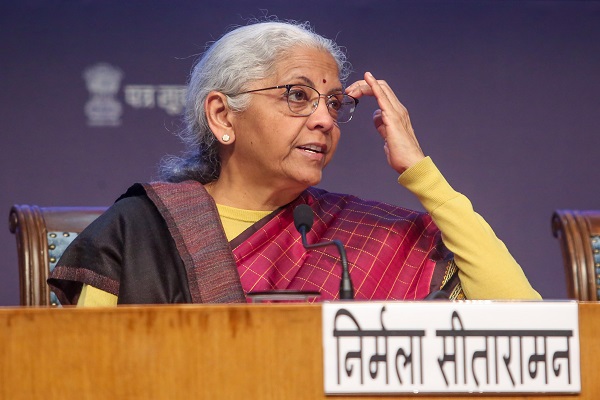
India's Budget 2022-23 has earmarked a massive budgetary outlay of Rs 7.50 lakh crore for FY 2022-23. In her Budget speech to Parliament on Tuesday, Finance Minister Nirmala Sitharaman proposed to increase the capital budget outlay by over 35 per cent.
On the fiscal deficit aspect, Fitch said that targets presented in the Union budget are a bit higher than its forecasts "when we affirmed India's 'BBB-'/Negative sovereign rating in November".
"Our expectation of modest fiscal outperformance in FY22 from last year's budget target appears unlikely to materialise, with the budget flagging a revised deficit of 6.9 per cent of GDP against our 6.6 per cent forecast. The planned 6.4 per cent of GDP FY23 deficit is also higher than our previous 6.1 per cent forecast.
"This budget illustrates the government's focus on giving a boost to the ongoing economic recovery through a sharp increase in capex spending, while relying on economic growth and buoyant revenues to achieve its fiscal sustainability objectives."