Utility & Cargo: The Rise of Functional Fashion
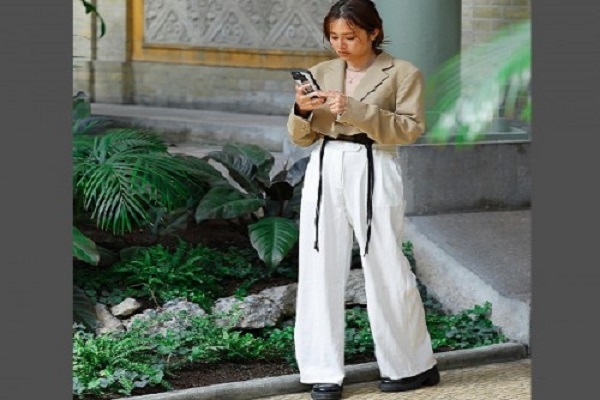
In recent years, the worlds of fashion and functionality have collided in a powerful way. Utility and cargo-inspired pieces have moved beyond purely practical uses to become defining trends on global runways and in everyday wardrobes. What once belonged mainly to workwear and military attire is now a cornerstone of contemporary style, blending purpose with personality.
What Is Utility Fashion?
Utility fashion is characterized by clothing and accessories designed with functionality at their core. These garments often feature:
Durable fabrics such as canvas, twill, and ripstop
Multi-purpose elements like pockets, straps, loops, and reinforcement panels
Neutral and earthy color palettes—think olive, khaki, beige, and black
Originally rooted in workwear and uniforms, utility fashion prioritizes comfort, durability, and practicality without sacrificing aesthetic appeal.
Cargo — More Than Just Pants
When most people think of cargo fashion, they imagine cargo pants—loose-fit trousers with multiple large pockets. But the trend now extends to:
Cargo shorts, skirts, and overalls
Utility jackets and vests
Cargo dresses
Bags and accessories with multiple compartments
These pieces are not merely stylistic. Their functional design elements—especially the pockets—appeal to consumers who want versatility in daily life. Whether storing a phone, wallet, keys, or even tools, cargo fashion eliminates the need for excessive accessories and adds a dynamic layer to outfits.
Why Utility & Cargo Are Trending
There are several reasons this trend has become so influential:
1. Streetwear & Urban Culture
Utility pieces fit perfectly into the streetwear aesthetic, which values relaxed silhouettes and practicality. Cargo pants, layered jackets, and utility vests have been adopted by style influencers and designers alike, bringing them into mainstream fashion.
2. The “Functional Fashion” Movement
Fashion consumers today want clothes that look good and work well in real life. With increasing emphasis on minimalism and purpose-driven design, utility fashion answers both needs.
3. Gender-Neutral Appeal
Many utility styles are inherently unisex, making them appealing across gender lines. This aligns with the fashion industry’s shift toward more inclusive and fluid styles.
4. Outdoor & Active Lifestyles
As people prioritize comfort and mobility for travel, hiking, commuting, and active lifestyles, utility and cargo pieces fit seamlessly into these routines. They offer flexibility without compromising on form.
How to Style Utility & Cargo Pieces
Utility fashion can be styled in countless ways—from casual to cutting-edge:
Urban Casual: Pair slim cargo pants with a fitted tee and chunky sneakers.
Layered Look: Wear a utility vest over a light hoodie or shirt.
Elevated Edge: Match a tailored cargo skirt with a structured blouse and boots.
Athleisure Fusion: Combine cargo joggers with sporty tops and cross-body bags.
Accessorizing is simple too — belts with loops, bucket hats, and utilitarian backpacks amplify the theme.
Sustainability & Utility Fashion
Interestingly, utility fashion often intersects with sustainable fashion principles:
Less waste: Durable construction means clothes last longer.
Functional longevity: Pieces designed to serve more than one purpose reduce consumer waste.
Timelessness: Utility styles are less trend-driven and more evergreen.
When styled thoughtfully, these garments become wardrobe staples rather than disposable trend pieces.
Conclusion
Utility and cargo have transcended their practical origins to become staples of modern fashion. By blending form with function, these styles offer versatility, comfort, and a distinctive edge. Whether you’re aiming for streetwear cool, outdoor practicality, or gender-neutral vibes, opening your wardrobe to utility fashion can elevate everyday style.