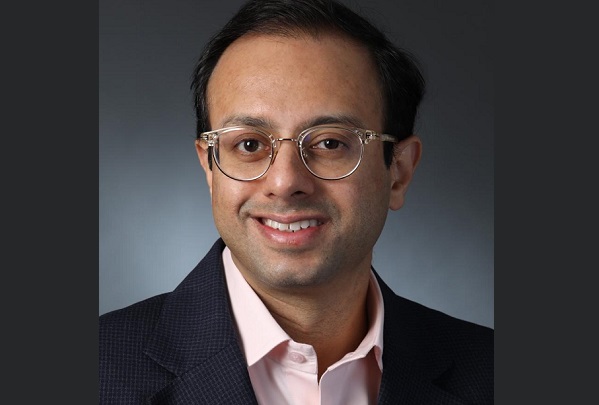
View on Monetary Policy Review from Manish Bhandari, CEO and Portfolio Manager, Vallum Capital
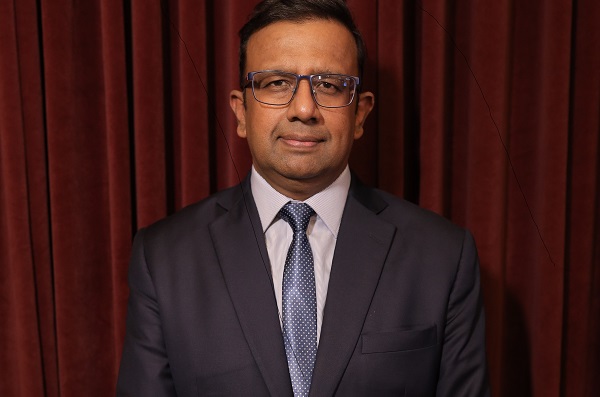
Below the View on Monetary Policy Review from Manish Bhandari, CEO and Portfolio Manager, Vallum Capital
The RBI's Monetary Policy Committee met Today and did exactly what the market expected — kept the repo rate unchanged at 5.25%. But buried under the routine announcement is a message most headlines will miss: India's rate-cutting cycle, which began in February 2025 and delivered 125 basis points of cuts across four meetings, is effectively over. What comes next is not another cut. It is a long, uncomfortable hold.
The RBI runs five key checks before moving rates: inflation, economic growth, the rupee's stability, India's trade deficit, and global rate movements. Right now, four of the five are flashing caution but the fifth (growth) is strong enough that a rate hike would be an overreaction. Bank credit growth has outpaced deposit growth by about 500 basis points so far, and the structural gap forces banks to compete aggressively for deposits — certificate of deposit rates and retail term deposit rates are moving up independently of the repo rate. Effective lending costs to corporates and retail borrowers are rising even though the MPC has done nothing. The credit-deposit gap is an internal tightening mechanism that operates through the bank balance sheet, not through RBI policy
India is not operating in isolation. One week ago, the US Federal Reserve held its rate at 3.5–3.75% and three members of the committee reportedly wanted to hike, not hold. The Bank of Japan just held at 1%, its highest since 1995, and is signalling further tightening. When the world's two largest central banks are holding or tightening, the pressure on emerging market currencies like the rupee intensifies because capital flows toward higher-yielding, safer dollar and yen assets. For the RBI to cut rates in this environment would be to invite another wave of rupee weakness, more outflows, and a further drain on reserves. It is a trap the RBI cannot afford to walk into. Its good move to keep rates on Hold.
Above views are of the author and not of the website kindly read disclaimer