Uncertainty surrounding US monetary policy likely to persist: BOK
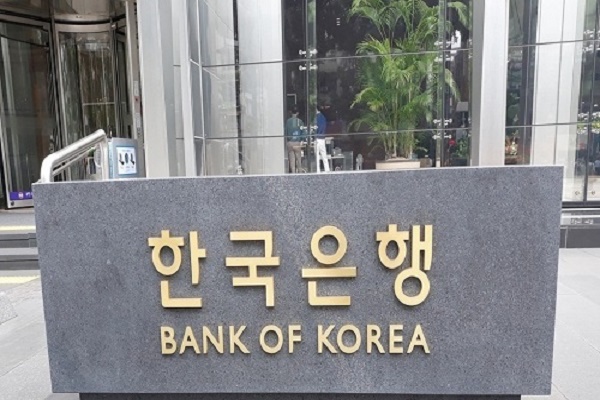
Uncertainty over the path of the United States' monetary policy is expected to persist, though markets have remained broadly stable following the Federal Reserve's latest interest rate decision, a senior official of the South Korean central bank said on Thursday.
On Wednesday (US time), the Fed kept its benchmark interest rate unchanged at the 3.5-3.75 percent range following three successive cuts since September, a decision that will continue to put the gap between the key rates of South Korea and the United States at up to 1.25 percentage points for the time being, reports Yonhap news agency.
"Fed Chair Jerome Powell's press conference and the timeline for the nomination of his successor and other issues could lead to continued uncertainty over the U.S. monetary policy path," Bank of Korea (BOK) Deputy Gov. Yoo Sang-dai said while presiding over a market assessment meeting.
"As uncertainties regarding U.S. tariff policies, concerns over the fiscal health of major economies and geopolitical risks continue to exist, we will remain vigilant and closely monitor market developments," he added.
During the press conference, Powell said the U.S. economy grew "at a solid pace last year and is coming into 2026 on a firm footing," while emphasizing that the Fed is "well positioned" to adjust the policy rate going forward based on incoming economic data.
Amid U.S. President Donald Trump's growing push to exert control over the Fed, Powell delivered a firm defense of central bank independence, describing it as a standard practice in every advanced economy and democracy worldwide.
Given the Fed's stance, the BOK is expected to maintain the prolonged rate pause.
In its latest policy meeting earlier this month, the BOK kept the key rate at 2.5 percent, marking the fifth consecutive on-hold decision since July, to support financial stability amid a weak won and to contain inflationary pressures.
The interest rate gap between South Korea and the U.S. has persisted since July 2022, and experts warn that a wider spread could trigger foreign capital outflows and further weaken the Korean won.
The local currency has remained well below the psychologically important 1,400 won level and fell to a multiyear low of under 1,480 won late last month, weighed down by the dollar's strength, geopolitical risks and heavy overseas securities investments by domestic investors.
The won opened at 1,429.6 per dollar on Thursday, down 7.1 won from the previous session.











.jpg)

.jpg)