Travel Planning for Large Groups: A Complete Guide for a Smooth and Fun Trip
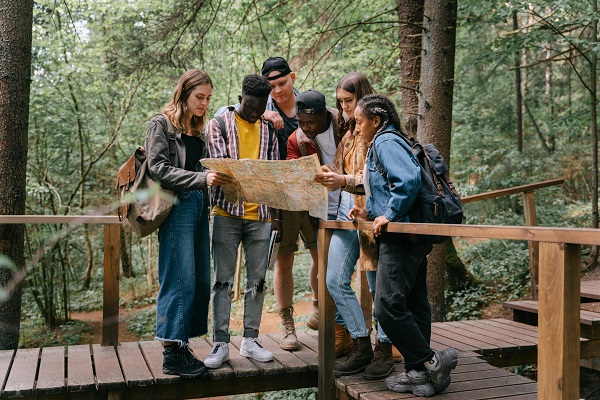
Traveling with a large group—whether it’s friends, family, or colleagues—can be one of the most memorable experiences. From shared laughter to unforgettable adventures, group travel creates bonds that last a lifetime. However, planning such trips can be challenging without proper organization. Here’s a complete guide to help you plan a stress-free and enjoyable group getaway.
1. Start Planning Early
When traveling with a large group, early planning is essential. More people means more preferences, schedules, and logistics to manage. Begin discussions at least 2–3 months in advance to finalize dates, destination, and budget. Early bookings also help secure better deals on flights and accommodations.
2. Choose the Right Destination
Pick a destination that offers something for everyone—relaxation, adventure, food, and sightseeing. Consider accessibility, budget, and group interests. Popular choices include beach destinations, hill stations, or culturally rich cities that offer diverse activities.
3. Set a Realistic Budget
Budgeting is crucial in group travel. Discuss expenses openly and decide on a comfortable spending range for everyone. Include costs like transportation, accommodation, food, activities, and emergency funds. Using expense-sharing apps can make tracking payments easier and avoid confusion.
4. Book Group-Friendly Accommodation
Instead of booking separate hotel rooms, consider villas, serviced apartments, or homestays. These options are often more economical and provide shared spaces for bonding. Look for accommodations with multiple bedrooms, kitchens, and common areas.
5. Plan Transportation Smartly
For large groups, coordinating transport can be tricky. Depending on the destination, consider renting a private bus, van, or multiple cars. If flying, try to book tickets together to ensure everyone is on the same flight.
6. Create a Flexible Itinerary
While it’s important to plan activities, avoid overloading the schedule. Create a balanced itinerary that includes sightseeing, relaxation, and free time. Allow flexibility so individuals can explore on their own if they wish.
7. Assign Roles and Responsibilities
Divide tasks among group members to make planning easier. For example:
One person handles bookings
Another manages finances
Someone else plans activities
This reduces stress and ensures everything is well-organized.
8. Communicate Clearly
Create a group chat or use collaboration tools to keep everyone updated. Share itineraries, booking details, and important information in one place. Clear communication helps avoid misunderstandings.
9. Be Prepared for Differences
In large groups, everyone may have different preferences. Some may want adventure while others prefer relaxation. Be open-minded and respectful. Try to include activities that cater to different interests.
10. Pack Smartly and Plan Essentials
Encourage everyone to pack light but smart. Carry essentials like medicines, chargers, documents, and weather-appropriate clothing. It’s also helpful to have a shared checklist for group essentials.
11. Prioritize Safety
Ensure everyone has emergency contacts and important documents. Keep copies of IDs and bookings. Always stay aware of your surroundings and follow local safety guidelines.
12. Focus on Fun and Memories
At the end of the day, group travel is about enjoying time together. Don’t stress over small issues—focus on creating memories, capturing moments, and having fun.
Conclusion
Travel planning for large groups may seem overwhelming, but with proper coordination, communication, and flexibility, it can turn into an unforgettable experience. The key is to stay organized while leaving room for spontaneity. With the right approach, your group trip will be filled with joy, laughter, and lifelong memories.