Transparent Laptops Are Redefining the Look and Feel of Modern Computing
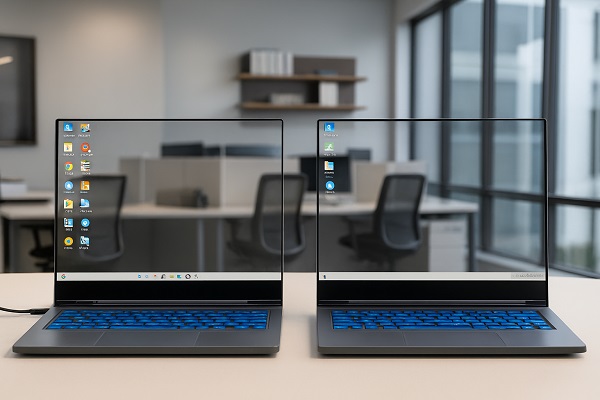
Transparent laptops are starting to gain attention as one of the most eye-catching ideas in future tech. Their displays look like sheets of clear glass, yet they can show apps, videos and full desktop layouts just like a regular screen. This new design introduces a fresh approach to how devices fit into workspaces and creative environments.
The biggest change is visual. Instead of a solid screen that blocks your view, the transparent panel lets you see through it. This creates a lighter and more open feel on the desk. In shared offices, it helps the workspace look cleaner and more modern. For stores and customer-facing setups, the design becomes a statement piece that draws interest without needing extra decoration.
Functionally, these laptops work much like the models we use today. The keyboard, processor and battery sit in the base, while the display uses transparent OLED or similar technology. The challenge has always been balancing clarity with brightness. Early prototypes have shown that these panels can still deliver readable text and vibrant icons, even though you can see the background through the screen.
There are practical benefits too. Designers and engineers can place transparent laptops on workbenches and still keep an eye on tools behind the display. Presenters can face their audience while viewing notes on a see-through screen. Even in everyday use, the device feels less intrusive because it blends into the surroundings.
At the same time, this technology brings new questions. Privacy becomes more important when someone behind you can see the display. Companies are working on adaptive tinting and selective dimming to solve this. Durability and battery life are also areas where improvements continue. As materials get stronger and panels become more efficient, these hurdles will ease.
Transparent laptops won’t replace traditional models right away, but they signal a change in how we think about personal computers. Instead of being solid blocks on a desk, future devices may look more like living windows that merge technology with the environment. It’s a direction that blends utility with design and opens the door to new kinds of digital experiences.