Stick to pre-defined asset allocation, don`t sell in panic during geopolitical volatility: WhiteOak Capital MF

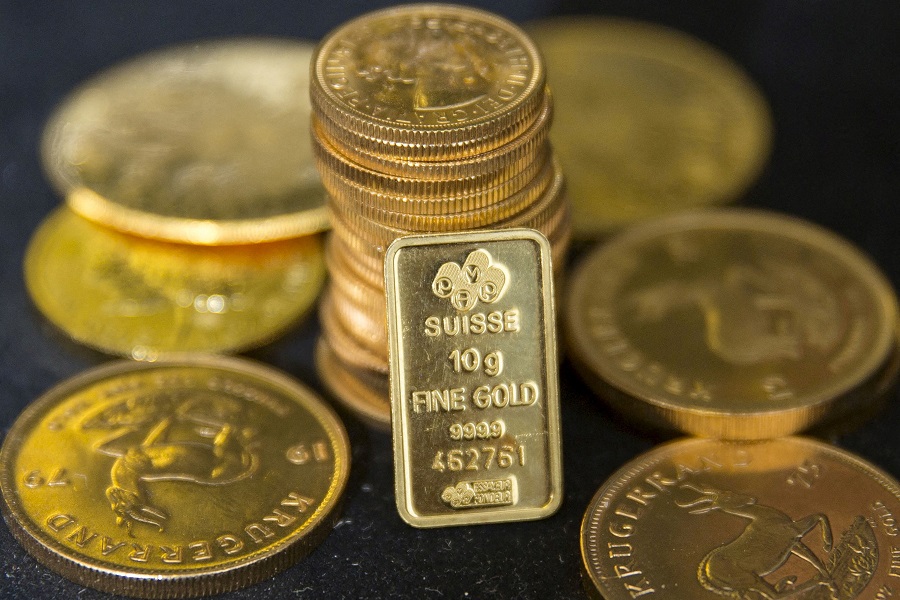
WhiteOak Capital Mutual Fund has come out with a report titled - When the World Feels Dangerous: Why Your Portfolio Shouldn’t Panic - The news screams crisis. Your portfolio whispers discipline. Through this report, WhiteOak Capital MF cited that geopolitical shocks don’t destroy long-term returns. When crisis hits and markets fall, your equity allocation automatically drops as a percentage of your portfolio. Your debt and gold, being more stable, now represent a larger portion During geopolitical crises, it is prudent to stick to your pre-defined asset allocation, rebalance if you’ve drifted outside your bands, turn down the news volume, focus on long-term fundamentals, not short-term fears.
Define your target allocation based on your goals and risk capacity, not on geopolitical outlook.
Example: 65% Equity, 25% Debt, 10% Gold for a moderate investor. Set rebalancing bands (±5% is common). If equity falls below 60% or rises above 70%, rebalance back to 65% and stay committed to the system in writing when markets are calm.
Investors who, based on emotions, sell during geopolitical shocks underperform than those who stay patient and disciplined. Not because they’re bad at picking investments, but because they exit at the wrong moment, stay on the sidelines, and then re-enter near the top, or never re-enter at all.
1998 Russian Debt Crisis: Sensex fell over 10% during the crises. Recovered fully within six months. Investors who stayed invested earned 15% annually over the next five years.
2001 September 11 Attacks: Global markets crashed. Markets reeked of fear due to extended conflict, terrorism, economic collapse. Nifty fell 17% in two weeks. By December 2001, it was back to preattack levels. The decade that followed delivered strong returns.
2008 Mumbai Terror Attacks: Markets, already weak from financial crisis, dropped even further. Fresh terror attacks seemed like the final blow. Sensex dropped to as low as 8,500. Investors who bought at these levels saw it at 21,000 by 2010.
2016 Surgical Strikes: Pakistan tensions, talk of escalation. Markets dipped 2-3%. Recovered in a short time frame. Non-event in hindsight.
2019 Balakot Airstrike: India-Pakistan tensions peak. Markets volatile for two weeks. Six months later, nobody remembered the dip.
2020 Covid Crisis: Markets declined 32% from March to April. Recovered within 4 months.
2022 Russia-Ukraine War: This was supposed to be the big one, echoing crisis akin to a start of the next World War. Energy prices skyrocketed, ultimately leading to food shortages. Fears around nuclear wars abounded. Nifty fell from 18,000 to 15,200 (16% drop). But, by September 2024, Nifty crossed 25,000
When any crisis hits, our brains and senses scream at us to act. It feels irresponsible to do nothing while the world burns. The mind gravitates towards thinking that surely smart investors are making moves. They are either protecting capital or are getting defensive, so we should do the same. This is where most wealth gets destroyed. Not in the crisis itself, but in the panicked response to it. Here’s what typically happens:
Stage 1: The “Panic Sell Crisis” erupts. You sell equity after the markets have crashed because “it’s going to get much worse.” You move to cash or gold, feeling smart and protected.
Stage 2: The “Frozen Wait” as markets stay volatile. Some days up, some down. You wait for “clarity” or “things to settle” before getting back in. But clarity never comes in the short-term. The headlines remain scary. Russia/Ukraine war is still ongoing as of 2026, yet markets have clearly soared from where they were prior to the war.
Stage 3: The “Painful Miss” when markets recover 20%, 30%, 40% from the bottom. You’re still in cash. Now it feels too expensive to buy back in. You’ve locked in losses and missed the recovery. Your temporary safety became permanent underperformance. Consider an investor during COVID who sold everything in March 2020 when the pandemic hit. “This pandemic will last years,” was the reasoning. “Markets could fall all the way to 5,000”, was the echo among a lot of professionals on TV. By the time it felt safe enough to reinvest in January 2021, Nifty was at 14,000. An 84% rally from the low in 2020 missed because of waiting for certainty or clarity that never arrived.
Geopolitical shocks are almost always sentiment shocks. They create fear, volatility, dramatic headlines, and portend doom especially if you listen to TV news channels. But they rarely break the underlying economic machinery. This is why the correct response to geopolitical volatility is not repositioning your portfolio but it’s to stay disciplined to your strategic allocation and riding through the volatility.
Above views are of the author and not of the website kindly read disclaimer