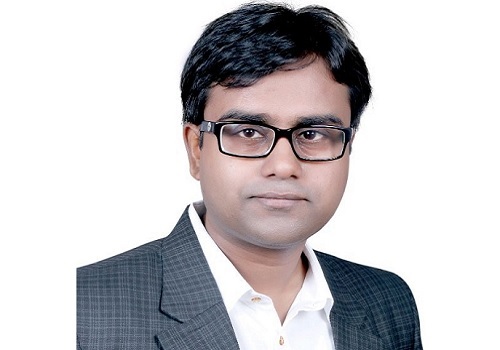
Quote on How Real estate has performed in 2025 by Shrinivas Rao, FRICS, CEO, Vestian
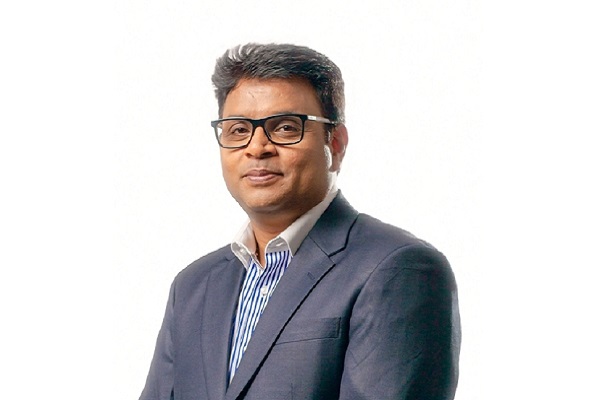
Below the Quote on How Real estate has performed in 2025 by Shrinivas Rao, FRICS, CEO, Vestian
“Despite widespread uncertainty , India's real estate sector demonstrated resilience in 2025. Policy reform, infrastructure growth, and rising income supported stable demand across asset classes. Strong office absorption, steady warehousing activity, and renewed investment flows highlight the sector’s long-term growth trajectory and its expanding role in India’s economic development.”
Real Estate Sector Sustains Upward Momentum in 2025
Despite heightened geopolitical tensions, global macroeconomic headwinds, and shifting trade dynamics, India maintained steady economic progress in 2025. Strong domestic consumption, structural reforms, and continued investment in large-scale infrastructure kept economic fundamentals stable. In this environment, the Indian real estate sector sustained its growth trajectory across office, retail, warehousing, and residential segments.
Union Budget 2025–26 Reinforces Long-Term Vision
The Union Budget 2025–26 advanced the government’s Viksit Bharat objectives, placing real estate and infrastructure at the centre of national development. Total expenditure increased 7.4% to INR 50.65 lakh crore, underscoring support for infrastructure-led growth.
Revised income tax slabs improved disposable incomes, aiding housing demand across price segments. The allocation of INR 15,000 crore under SWAMIH Fund II for completing one lakh stressed housing units strengthened liquidity in the affordable housing segment.
The newly launched INR 1 lakh crore Urban Challenge Fund is expected to accelerate institutional-grade city development. Meanwhile, the National Geospatial Mission aims to modernize planning, digitize land records, and enhance transparency. A national framework encouraging states to promote Global Capability Centers (GCCs) in emerging Tier II cities is also expected to broaden the geographic distribution of office demand.
GCCs Continue to Drive Office Demand
The office sector outperformed expectations in 2025, with absorption in the first nine months rising 15% over the same period in 2024. Each quarter registered higher leasing than the previous year, and Q4 is expected to deliver strong momentum for the second consecutive year. Annual gross absorption is set to touch a record 75 million sq ft—the highest ever in a calendar year.
GCCs remained the dominant demand driver, accounting for 42% of pan-India absorption in 9M 2025. Bengaluru, Hyderabad, Pune, and NCR led activity. The IT-ITeS sector contributed 39%, while flex operators expanded their footprint to 12% as enterprises diversified workplace strategies. BFSI moderated to 14%.
Bengaluru, NCR, and Pune contributed nearly two-thirds of new supply additions, while Bengaluru, NCR, and Mumbai accounted for 85% of the total absorption. ESG priorities remained central, with green-certified assets forming 82% of the total leasing—reflecting occupiers’ focus on compliance, brand positioning, and employee well-being.
Warehousing & Logistics Stable Despite Temporary Softening
India’s warehousing and logistics sector recorded 28.1 million sq ft of absorption in 9M 2025, a modest 9% YoY decline. Bhiwandi alone accounted for nearly one-fourth of the national absorption, reinforcing its role as a premier logistics hub.
3PL players led demand with 35% share, followed by Engineering & Manufacturing at 19%. After subdued activity in H1, e-commerce rebounded in Q3, contributing 23% to quarterly demand.
Rentals strengthened across NCR, Bengaluru, Hyderabad, and Mumbai, with annual growth between 17%–47%. Chennai, Pune, and Kolkata, however, saw quarterly decline due to localised factors.
Government initiatives—400+ multimodal projects under PM Gati Shakti, the UIDF’s INR 100 billion annual outlay for Tier II/III infrastructure, and GST rationalization—continued to reinforce long-term market resilience.
Retail Leasing Strengthens as Demand Outpaces Supply
Retail leasing sustained strong activity through 9M 2025 and is on track to exceed 2024 levels. Stable occupier interest, rising discretionary spending, and evolving consumer preferences supported demand for quality retail space. Fashion and apparel led leasing, followed by F&B and entertainment, highlighting the shift towards experience-led retail formats.
However, new supply remained limited, tightening vacancy levels further. Mall rentals remained largely stable, while high streets saw marginal appreciation amid constrained supply. Domestic retailers continued to dominate leasing, while international brands focused primarily on top-tier malls for visibility and operational efficiency.
Housing Market Softens in 2025 Amid Affordability Challenges
Housing demand moderated through 2025 as elevated prices affected affordability and global uncertainties softened sentiment. Sales and new launches crossed three lakh units each in 9M 2025, but unsold inventory climbed to nearly six lakh units due to tempered absorption.
Despite lower volumes, the overall value of sales increased, driven by strong traction in premium housing. Affluent buyers remained focused on well-located, amenity-rich developments, prompting developers to shift launch pipelines toward higher-value products. Prices rose across major cities due to elevated input costs and resilient premium demand.
The RBI maintained the repo rate at 5.50% across two policy cycles, leading to marginal reductions in mortgage rates and offering slight relief to homebuyers.
Domestic Capital Anchors Institutional Investments
Institutional investments totalled USD 4.37 billion in 9M 2025, down 5.5% YoY, owing largely to a subdued Q1. Inflows picked up in Q2 and Q3, which together contributed USD 3.55 billion.
Commercial real estate dominated with 79% share, supported by strong office leasing from GCCs and domestic corporates. Residential assets accounted for 11%. Co-investment structures gained traction among foreign investors seeking local expertise amid global volatility. Domestic investors remained active, helping maintain overall market momentum. Institutional inflows are expected to cross USD 6 billion by year-end.
Above views are of the author and not of the website kindly read disclaimer
.jpg)