Oil falls after US, Iran talks conclude in Doha
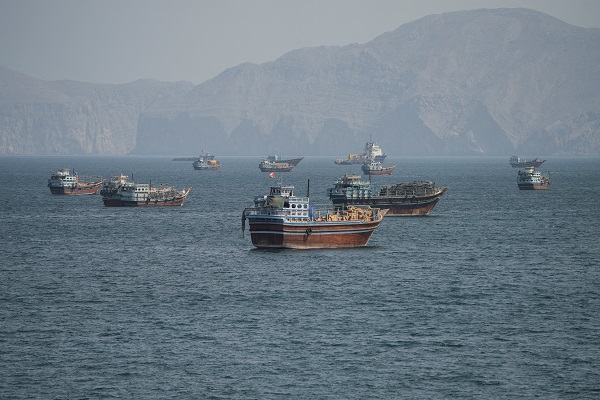
Oil prices dropped in early trade on Thursday after Qatar said Iran and the U.S. had made "positive progress" in indirect talks that concluded on Wednesday, focused on the Strait of Hormuz, which handled one-fifth of global oil supply before the war.
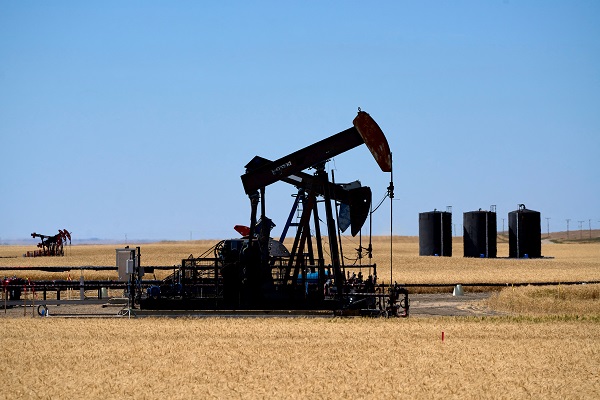
Brent futures were down 73 cents, or 1.02%, to $70.84 a barrel by 0102 GMT, while U.S. West Texas Intermediate crude fell 83 cents, or 1.21%, to $67.75 a barrel.
In the previous session, both benchmarks fell more than 1% to their lowest levels in four months.
Sources said negotiators for the U.S. and Iran spent two days in Doha discussing maritime traffic in the Strait of Hormuz and unfreezing Iran's funds.
Though traffic has partially resumed, the two countries exchanged strikes last weekend following an Iranian attack on a cargo ship.
Iran is determined to win international recognition of its control over the strait even if it has to do so by force, two senior Iranian sources said. Tehran has repeatedly said it will impose tolls on shipping starting in mid-August, after a toll-free period specified by the initial agreement expires.
Tanker traffic through the strait has started to recover, with U.S. Vice President JD Vance saying oil flows through the waterway had returned to pre-war levels, without citing figures.
As the strait stays open and crude oil flows out, competition for market share keeps pushing oil prices down, and there are growing expectations of oversupply, Haitong Futures said in a note.
Adding to supply at a time of falling oil prices amid the gradual reopening of the strait, sources said on Wednesday that OPEC+ oil-producing countries will likely agree to a further hike in their output targets from August when they meet on Sunday.
The target will increase by about 188,000 barrels per day for August, the same as for June and July, the sources said.
In the U.S., crude inventories fell by 3.8 million barrels to 408.4 million barrels last week, the lowest level since September 2018, the Energy Information Administration said on Wednesday.
The draw, however, was smaller than analysts' expectations in a Reuters poll for a drop of 4.5 million barrels.