Oil eyes weekly drop on Hormuz deal hopes; AI sends stocks to record highs
World stocks stood at record highs on Friday and oil futures eyed the steepest weekly drop for nearly two months as traders waited for details on a potential deal to reopen the Strait of Hormuz and extend the U.S.-Iran ceasefire.
Sources told Reuters that the U.S. and Iran have reached an agreement to extend their ceasefire and lift restrictions on shipping, though U.S. President Donald Trump has yet to approve it and Iranian state media said it had not been finalised.
Moves in the Asia morning were modest, with S&P 500 futures steady after the index notched another record closing high overnight. Brent crude futures fell about 50 cents a barrel to $93.17 for a weekly drop of more than 10%.
The dollar headed for a small fall on the week, which tracks a retreat in U.S. yields. Analysts aren't sure, however, whether that can extend, since a U.S.-Iran deal is unlikely to quickly unwind the inflation impulse unleashed by soaring fuel prices.
"The market's already taking the view that a deal's going to be done and the strait is going to be open," said Jason Wong, senior market strategist at BNZ in Wellington.
"The main point is it removes a tail risk of a really, really bad outcome. I don't think it's a green light to take oil down $20, or Treasuries down 20 points."
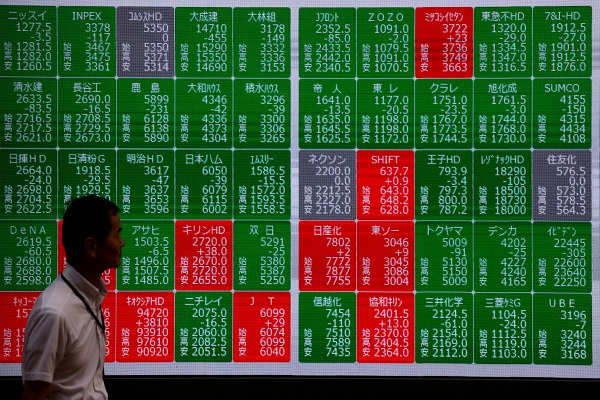
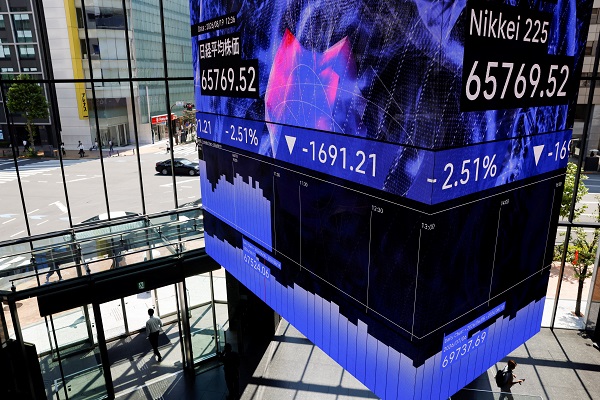
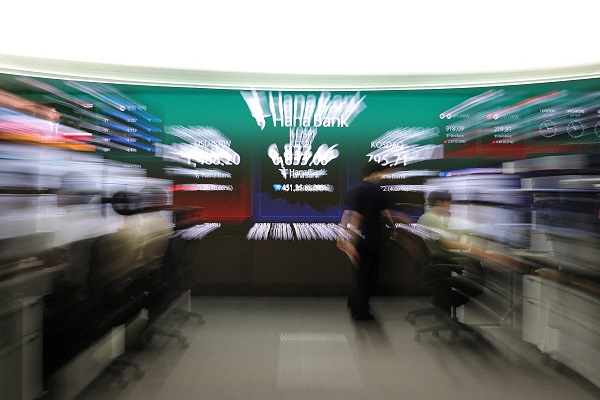
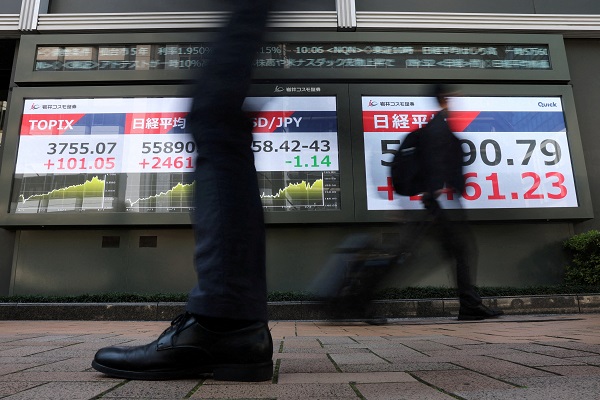
MSCI's index of world stocks edged up to a record high, with AI-euphoria lifting chipmaker shares around the world and pushing benchmarks in Tokyo and Seoul up around 2% on Friday morning and toward weekly rises.
Dell was also riding the wave, with shares soaring 39% after hours when it lifted revenue and profit expectations as data-centre demand drives sales of its AI-optimised servers.
"The question now is whether this can continue. We believe we're still in the middle innings of a longer AI-driven investment cycle," said Damian McIntyre, head of multi-asset solutions at asset manager Federated Hermes. "We have revised our S&P 500 target to 8,000 this year and 9,000 next year."
The S&P 500 closed on Thursday at a record high of 7,563.63.
YEN SQUEEZED, KIWI ATTEMPTS LIFTOFF
In fixed income, U.S. Treasury yields were steady in the Asia day, with the 10-year yield at 4.45% for a weekly drop of about 14 basis points. Global bond yields are also lower on the week.
Preliminary inflation figures are due across Europe later in the day, along with Canadian GDP.
Overnight data showed U.S. personal consumption spending, income, home sales and GDP on the soft side of expectations, and inflation running hot but a little bit under forecasts.
Annual core inflation in Tokyo stayed below Japan's 2% target for a fourth straight month in May, data showed on Friday, but a rebound in national factory activity suggested resilience and supported the case for a June rate hike.
In currency markets the yen has been under pressure and in focus after falling back to levels that prompted reported Japanese intervention late in April and earlier in May.
At 159.26 to the dollar it was trading a fraction stronger than the line-in-the-sand around 160 that authorities have been defending. Japan's finance ministry is scheduled to publish the amount of dollar selling it conducted, with estimates it totalled around 8.6 trillion yen ($54 billion), Nomura said.
The euro was firm at $1.1655. The New Zealand dollar has been a major mover this week, up 1.8% on the greenback, after the Reserve Bank of New Zealand held rates steady on Wednesday but delivered a more-hawkish-than-expected outlook.