National Bank for Financing Infrastructure and Development hosts Infrastructure conclave 2026 to deliberate on avenues for mobilising long-term infrastructure capital
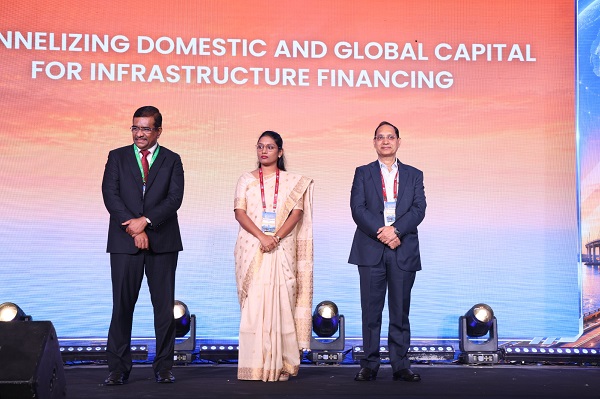
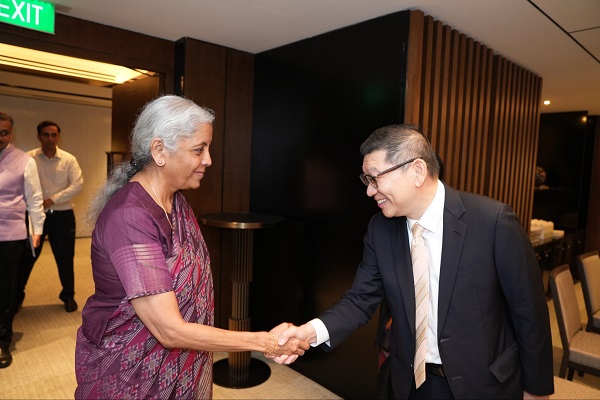
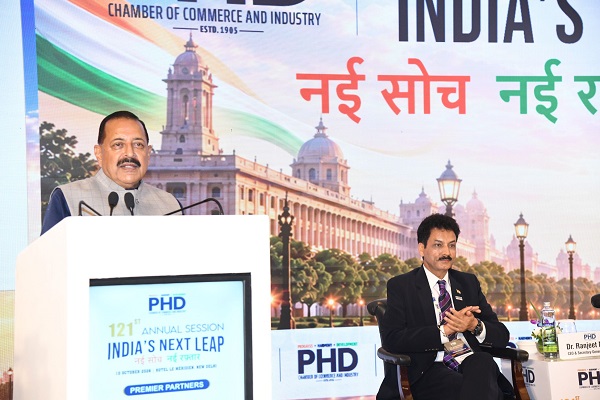
The National Bank for Financing Infrastructure and Development (the Institution) hosted the Infrastructure conclave 2026 in Mumbai, bringing together key stakeholders from the infrastructure financing ecosystem to deliberate on avenues to strengthen infrastructure financing and mobilise domestic and global long-term capital.
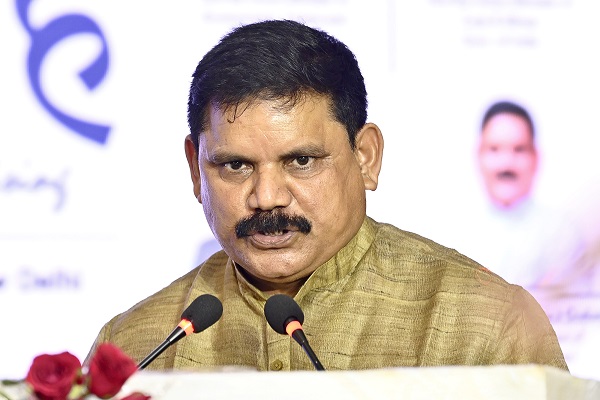
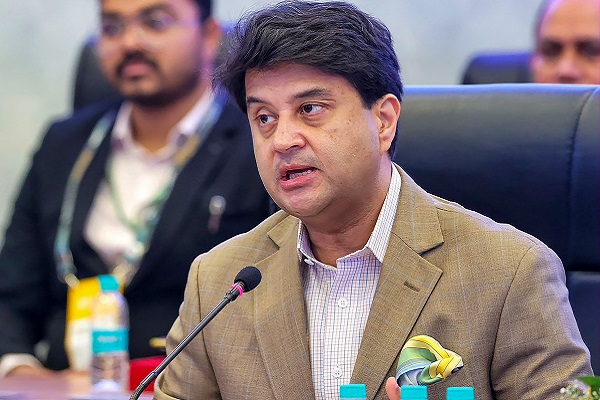
The event witnessed keynote addresses by Mr. Tuhin Kanta Pandey, Chairman, Securities and Exchange Board of India (SEBI), and Ms. Laya Madduri, IAS, Joint Secretary, Infrastructure Finance Secretariat, Department of Economic Affairs (DEA).
One of the key highlights of the conclave was the launch of two research reports — “Channelizing Domestic and Global Capital for Infrastructure Financing” and “Catalysing India’s Economic Ambitions through Bond Market Development.”
The conclave featured panel discussions focused on key aspects of infrastructure financing, including bridging India’s infrastructure financing gap by unlocking domestic and global capital, mobilising domestic and global insurance capital for infrastructure growth, and exploring structured financial solutions for recycling capital and expanding investment through securitisation, Credit Default Swaps (CDS) and Total Return Swaps (TRS).
The discussions also focused on asset monetisation for states to attract institutional capital for infrastructure, including the role of InvITs and REITs by enabling capital recycling and access to long-term institutional capital. The conclave further explored the new pool of infrastructure capital, including private credit, infrastructure funds, pension funds, sovereign wealth funds, insurance capital and other institutional capital.
Commenting on the occasion Mr. Rajkiran Rai G., Managing Director, National Bank for Financing Infrastructure and Development said “India’s infrastructure ambitions require a strong and diversified financing ecosystem that can effectively channel long-term domestic and global capital. The Infrastructure conclave 2026 brings together stakeholders to examine new avenues for mobilising capital, deepening the bond market and developing innovative financing structures. Through informed dialogue and collaboration across the ecosystem, we aim to contribute towards strengthening of financing architecture needed to support India’s infrastructure growth.”
The first panel discussion examined the role of long-term institutional and private capital in bridging the infrastructure financing gap and the measures required to attract greater international capital. The discussion covered regulatory and policy considerations, project execution risks, financing constraints, currency volatility and evolving ESG compliance requirements.
The second panel focused on the potential to unlock a larger pool of domestic and global insurance capital for infrastructure growth, while balancing regulatory safeguards and risk-based capital norms with greater flexibility for long-term infrastructure investments. It also explored credit enhancement, co-investment and risk-sharing structures to address risk perceptions, improve project bankability and create investment opportunities aligned with insurers’ long-term liabilities.
The third panel examined securitisation and other structured lending solutions as pathways to unlock capital from operational assets, deepen bond markets and attract institutional investors. The discussion also considered securitisation structures tailored to infrastructure financing and the key considerations and challenges in developing an India-focused securitisation market.
The fourth panel focused on asset monetisation for states and the role of capital recycling which can be utilized by the states for investing in greenfield infrastructure assets in enabling higher capital expenditure while staying within fiscal limits. The discussion explored private participation through InvITs, and the steps required to replicate the success of the National Monetisation Pipeline at the state level.
The final panel focused on exploring the new pool of infrastructure capital and examined the growing infrastructure financing requirements and the role of alternative sources of capital as against traditional sources such as commercial banks, government budgets and conventional project finance, which face constraints relating to capital, tenor, risk appetite and regulatory requirements.
The conclave brought together stakeholders from across the infrastructure financing ecosystem to foster structured dialogue on expanding sources of capital and strengthening the financing ecosystem for India’s infrastructure requirements.
Above views are of the author and not of the website kindly read disclaimer