NABARD sanctions Rs 15,056 crore to Haryana for rural development

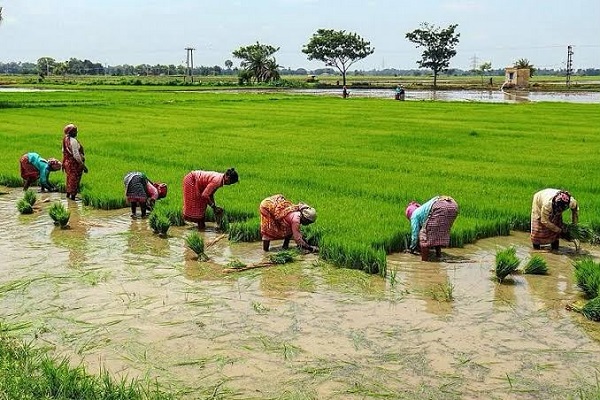
Haryana has witnessed one of its biggest rural infrastructure expansions with the National Bank for Agriculture and Rural Development (NABARD) sanctioning Rs 15,056 crore under the Rural Infrastructure Development Fund (RIDF), supporting 6,175 infrastructure projects on irrigation, rural roads, drinking water facilities and other critical assets.
The achievements were highlighted during NABARD's 45th foundation day celebrations, where Chief Secretary Anurag Rastogi was invited as the chief guest.
Rastogi said the institution has emerged as a key partner in accelerating rural transformation and strengthening the state's agricultural economy.
Describing NABARD as a catalyst for inclusive rural development, Rastogi said the state's future growth depends on stronger rural infrastructure, sustainable agriculture, financial inclusion and empowered community institutions.
He stressed that government departments, financial institutions and grassroots organisations must work together to build resilient villages in line with the vision of Viksit Bharat @2047.
Recalling his earlier tenure as Finance Secretary, Rastogi said he had the opportunity to work closely with NABARD and witnessed first-hand the institution's constructive role in supporting the state's development.
He said NABARD's financial assistance at concessional interest rates has enabled the timely execution of several critical rural infrastructure projects, significantly benefiting Haryana's farmers and rural communities.
The Chief Secretary said the government is committed to digitising all Primary Agricultural Credit Societies (PACS) with the necessary technical support to make them more efficient, transparent and accessible.
He said the government is also working to ensure that every PACS becomes financially viable and profitable so that these institutions can function as strong pillars of the rural cooperative ecosystem.
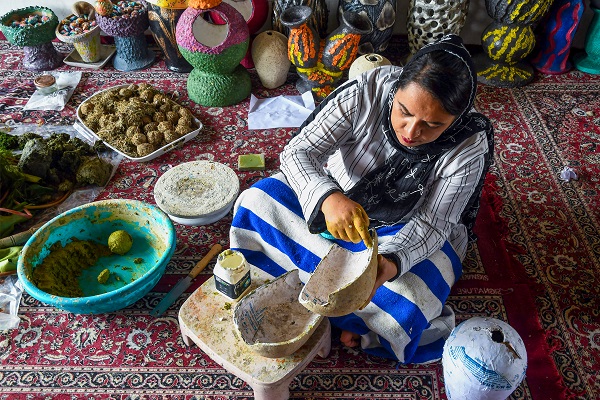
NABARD's livelihood promotion programmes have equally focussed on women. Since 2022-23, more than 5,010 rural women have received skill training in dairy farming, mushroom cultivation, food processing, tailoring, handicrafts and other income-generating activities, creating sustainable self-employment opportunities across the state.