Motorcycle Leisure Travel: Explore Scenic Roads and Unforgettable Adventures
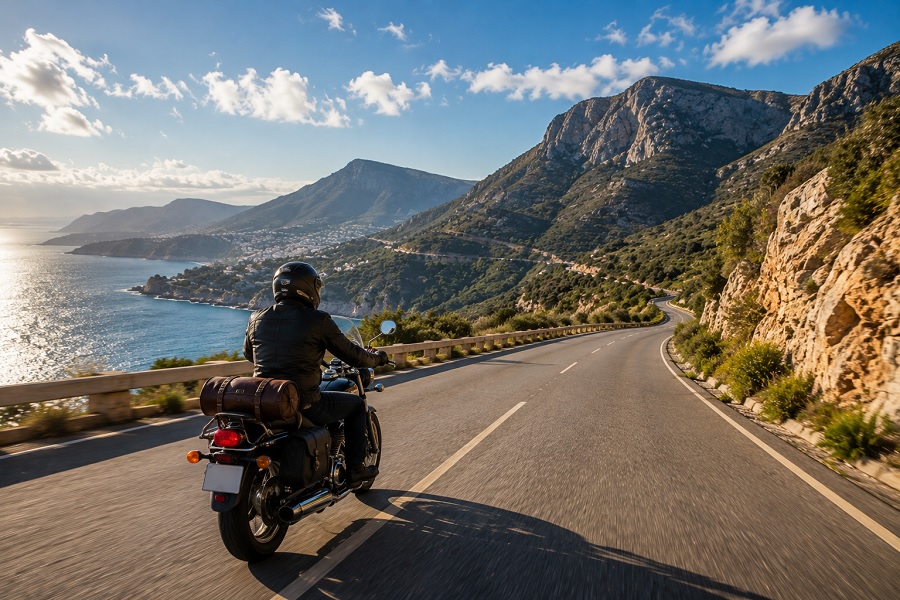
Motorcycle Leisure Travel: Exploring Destinations on Two Wheels
Introduction
Motorcycle Leisure Travel is becoming an appealing way to experience destinations with greater freedom, flexibility and adventure. Unlike conventional vacations where travelers move mainly between major attractions, motorcycle journeys allow riders to experience scenic roads, small towns, mountain landscapes, coastal routes and local communities along the way.
A motorcycle holiday can range from a short weekend ride to a multi-day international road trip. It combines transportation with the travel experience itself, making the journey an important part of the vacation.
What Is Motorcycle Leisure Travel?
Motorcycle Leisure Travel involves using a motorcycle primarily for recreation, sightseeing and exploration rather than everyday commuting.
It can include:
Scenic motorcycle road trips
Mountain riding holidays
Coastal motorcycle journeys
Countryside rides
Cross-country motorcycle tours
Heritage road trips
Adventure motorcycle vacations
Motorcycle camping
Motorcycle photography trips
International motorcycle tours
The flexibility of traveling by motorcycle makes it possible to stop at viewpoints, villages, restaurants and attractions that may be difficult to access during conventional tours.
Why Motorcycle Leisure Travel Is Popular
Motorcycle travel provides a strong sense of independence. Riders can choose their route, stop whenever they want and change plans according to weather or local conditions.
Some major attractions of motorcycle leisure travel include:
Freedom of movement
Scenic routes
Outdoor adventure
Flexible itineraries
Local cultural experiences
Photography opportunities
Access to less-visited destinations
Strong connection with the landscape
Memorable road-trip experiences
For many travelers, the road itself becomes one of the main attractions.
Scenic Motorcycle Road Trips
Scenic roads are among the most important elements of motorcycle leisure travel.
Mountain passes, coastal highways, forest roads, countryside routes and desert landscapes can provide spectacular riding experiences.
A well-planned route should balance riding time with opportunities to stop, rest, eat, take photographs and explore local attractions.
Travelers should also check road conditions, weather forecasts and local regulations before starting a long journey.
Mountain Motorcycle Travel
Mountain destinations provide some of the most dramatic motorcycle riding experiences.
Riders can travel through winding roads, valleys, mountain passes and high-altitude landscapes while enjoying changing scenery.
Popular mountain motorcycle travel themes include:
Alpine road trips
Himalayan motorcycle journeys
Rocky Mountain rides
Mountain village tours
Scenic pass adventures
Highland road trips
Mountain riding requires additional preparation because weather conditions can change rapidly.
Coastal Motorcycle Journeys
Coastal routes are another popular option for leisure riders.
Riding along the coastline can combine ocean views, beaches, fishing villages, historic towns and local restaurants.
Coastal motorcycle trips are particularly suitable for travelers who want a relaxed pace with frequent sightseeing stops.
Countryside Motorcycle Adventures
Motorcycle travel does not have to focus only on famous destinations.
Countryside routes can take travelers through farms, forests, villages, vineyards and rural communities.
These journeys often provide opportunities to experience local food, traditional lifestyles and landscapes away from major tourist centers.
Motorcycle Travel in India
India offers a wide variety of motorcycle leisure experiences, from Himalayan mountain roads to coastal routes and desert landscapes.
Popular motorcycle travel themes in India include:
Himalayan motorcycle trips
Ladakh road adventures
Rajasthan desert rides
Goa coastal motorcycle journeys
Kerala countryside rides
Western Ghats motorcycle routes
Northeast India road trips
South Indian heritage routes
The route should always be selected according to the rider's experience, motorcycle suitability and current road conditions.
International Motorcycle Travel
International motorcycle tourism allows riders to explore destinations from a different perspective.
Travelers can plan motorcycle journeys across countries or rent motorcycles locally.
Before an international motorcycle trip, riders should research:
Motorcycle rental requirements
Driving license rules
International driving permit requirements
Insurance
Local traffic regulations
Border-crossing requirements
Road conditions
Weather
Motorcycle safety equipment
Requirements vary by country, so checking official information before departure is essential.
Motorcycle Camping
Combining motorcycle travel with camping can create an affordable and immersive outdoor vacation.
Motorcycle camping allows travelers to stay closer to nature and can be particularly enjoyable on multi-day routes.
Essential camping equipment should be lightweight and compact enough to fit safely on the motorcycle.
Important items may include:
Compact tent
Sleeping bag
Sleeping mat
Cooking equipment
First-aid supplies
Portable lighting
Water
Weather protection
Basic motorcycle tools
Motorcycle Photography Travel
Motorcycle journeys offer excellent opportunities for travel photography.
Riders can photograph:
Mountain landscapes
Coastal roads
Forest routes
Historic towns
Local markets
Bridges
Roadside viewpoints
Traditional villages
Sunrise landscapes
Sunset scenes
Photography stops should always be made in safe locations away from traffic.
Motorcycle Travel for Couples
Motorcycle leisure travel can also be enjoyed by couples.
Couples can plan scenic routes with comfortable accommodation, regular breaks and destinations that offer activities beyond riding.
For longer journeys, communication, luggage organization and comfortable riding arrangements become especially important.
Solo Motorcycle Travel
Solo motorcycle travel offers independence and personal exploration.
Riders can create flexible schedules and spend more time at destinations that interest them.
However, solo riding requires additional preparation. Travelers should share their route with someone they trust, maintain communication where possible and avoid unnecessary risks in remote areas.
Group Motorcycle Travel
Group motorcycle trips can provide social interaction and shared experiences.
Group rides can include friends, motorcycle clubs or organized tour groups.
Successful group riding requires:
Clear communication
Agreed routes
Appropriate riding distances
Regular breaks
Safe spacing
Experienced trip leaders
Emergency planning
Every rider should understand the group's riding expectations before departure.
Choosing the Right Motorcycle
The ideal motorcycle depends on the type of trip.
Touring Motorcycles
Designed for long-distance comfort and luggage capacity.
Adventure Motorcycles
Suitable for a combination of paved roads and selected off-road routes.
Cruiser Motorcycles
Often preferred for relaxed road trips and comfortable highway riding.
Sport-Touring Motorcycles
Provide a combination of performance and long-distance capability.
Lightweight Motorcycles
Can be useful for riders who prioritize easy handling and travel on narrower roads.
The motorcycle should match the rider's experience, route and expected road conditions.
Essential Motorcycle Travel Gear
Safety and comfort should be priorities on every motorcycle journey.
Useful equipment includes:
Certified helmet
Riding jacket
Protective gloves
Riding trousers
Protective boots
Reflective or high-visibility equipment
Rain gear
First-aid kit
Basic repair tools
Phone and navigation device
Riders should ensure that protective equipment fits properly and is appropriate for the climate.
Planning a Motorcycle Leisure Trip
Good planning can make a motorcycle vacation safer and more enjoyable.
Step 1: Select the Destination
Choose a destination based on scenery, road quality, riding experience and available attractions.
Step 2: Plan the Route
Identify fuel stations, rest areas, accommodation and emergency services.
Step 3: Check Weather Conditions
Weather can significantly affect motorcycle safety and comfort.
Step 4: Prepare the Motorcycle
Check tires, brakes, lights, engine fluids, chain or belt, battery and luggage mounting.
Step 5: Plan Daily Riding Distances
Avoid creating an itinerary that requires excessive riding every day.
Step 6: Leave Room for Flexibility
Allow time for unexpected stops, weather changes and sightseeing.
Best Seasons for Motorcycle Leisure Travel
The best season depends on the destination.
Spring
Spring can provide pleasant temperatures and fresh landscapes in many regions.
Summer
Summer is popular for mountain and northern destinations, although hot climates can become uncomfortable.
Monsoon
Wet-season motorcycle travel requires additional caution because rain can reduce visibility and road grip.
Autumn
Autumn often offers comfortable riding temperatures and colorful landscapes.
Winter
Winter can be excellent for motorcycle travel in warmer regions but may make mountain roads dangerous or inaccessible.
Responsible Motorcycle Tourism
Motorcycle travelers can help protect destinations by following responsible travel practices.
Riders should:
Stay on permitted roads
Avoid damaging natural areas
Respect wildlife
Avoid unnecessary noise
Dispose of waste properly
Support local businesses
Respect local communities
Follow speed limits
Avoid dangerous riding
Use designated parking areas
Responsible riding helps preserve the landscapes and communities that make motorcycle journeys attractive.
Motorcycle Travel and Local Communities
Motorcycle tourism can benefit smaller communities when travelers stop at local restaurants, guesthouses, shops, fuel stations and attractions.
Choosing locally owned businesses can distribute tourism income beyond major cities and popular resorts.
Motorcycle travelers can also discover local traditions and regional cuisine that may not be included in conventional tourist itineraries.
Budget Motorcycle Travel
Motorcycle vacations can be adapted to different budgets.
Travelers can reduce costs by:
Planning fuel stops efficiently
Choosing guesthouses or campsites
Traveling during shoulder seasons
Preparing some meals
Avoiding unnecessary detours
Comparing motorcycle rental options
Booking accommodation in advance when demand is high
However, safety equipment and motorcycle maintenance should never be sacrificed simply to reduce expenses.
Future of Motorcycle Leisure Travel
The future of motorcycle tourism is likely to include greater use of electric motorcycles, digital navigation, connected riding technology and sustainable travel practices.
Electric motorcycles could create new possibilities for short-distance leisure trips, particularly in destinations with suitable charging infrastructure.
Technology can also help riders discover scenic routes, locate charging and fuel facilities, find accommodation and receive updated information about road conditions.
Conclusion
Motorcycle Leisure Travel offers a unique way to experience destinations because the journey becomes part of the vacation. Riders can explore mountains, coastlines, forests, villages, historic towns and countryside landscapes while enjoying the freedom of traveling on two wheels.
Whether it is a short weekend ride, a family-free solo adventure, a couple's road trip or an international motorcycle journey, careful preparation is essential. Choosing the right motorcycle, wearing proper protective equipment, checking weather and road conditions, respecting local communities and riding responsibly can make the experience safer and more enjoyable.
As travelers increasingly seek meaningful and flexible experiences, motorcycle leisure travel is likely to remain an exciting form of adventure and leisure tourism.