Less than 50% of Indian business families have a documented succession plan: Entrust Family Office
As India enters one of the largest intergenerational wealth transfers in its history, fewer than 50% of Indian business-owning families have a formally documented succession plan in place, according to insights from Entrust Family Office, a multi-family office advising several of India’s leading business families.
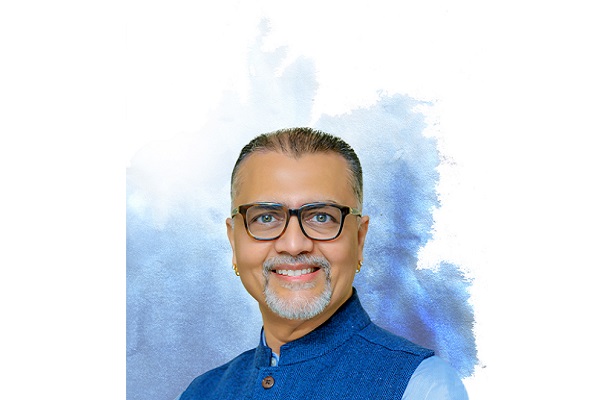
“Most families recognise the importance of succession planning, and many are now beginning to translate that intent into formal structures,” said Rajmohan Krishnan, Principal Founder and Managing Director of Entrust Family Office. “The real challenge lies in starting these conversations early and giving families and heirs the right structure. As India’s wealth transitions across generations, long-term success will be shaped not just by how wealth is created but by how thoughtfully it is governed and transferred.”
Despite rapid wealth creation over the past decade, succession and estate planning have not kept pace. Entrust Family Office observes that even among families with formal succession plans, clearly defined timelines for leadership transition remain uncommon. Leadership changes in India are still largely reactive, often triggered by age-related incapacity or unforeseen events rather than planned, phased handovers.
Delays are driven by emotional reluctance to relinquish control, uncertainty around the next generation’s readiness, and lack of clarity on leadership choices. In the absence of structured planning, families face risks such as ownership fragmentation, governance disputes, and erosion of enterprise value, with profitable businesses sometimes diluted or sold due to unresolved internal transitions.
At the same time, Indian business families are undergoing a structural shift, increasingly separating ownership from management. Families are choosing to remain long-term custodians of capital while professional management teams run day-to-day operations. The next generation, meanwhile, is focused on diversification, transformation, and building new ventures alongside legacy businesses, with nearly 80–90% seeking exposure beyond the core enterprise.
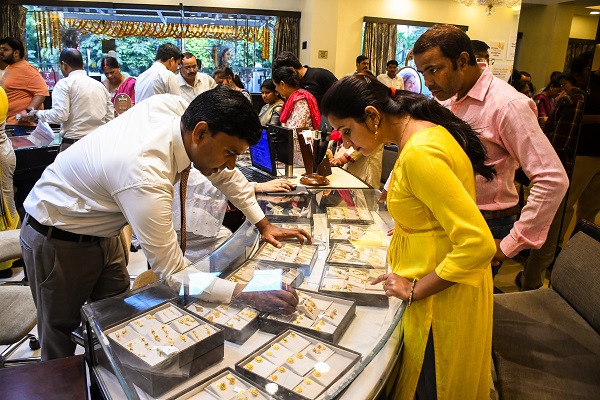
Once families adopt structured investment frameworks, diversification becomes central to long-term wealth preservation, with alternative assets playing a critical role. Gold continues to hold significance as a legacy asset, valued for continuity across generations rather than short-term liquidity.
Philanthropy is also becoming more intentional, with families increasingly earmarking 5–15 percent of their overall estate towards charitable causes as part of legacy planning. Participation of women in succession and governance processes is rising, with families prioritising capability and willingness over tradition.
Entrust Family Office notes that formal governance structures and estate planning tools such as wills and trusts are now integral to documented succession plans. A notable contrast is emerging with startup founders, who tend to engage in succession and estate planning earlier, particularly ahead of private equity investments or public listings.
Above views are of the author and not of the website kindly read disclaimer