India`s Steel Growth Story Enters High-Value Phase
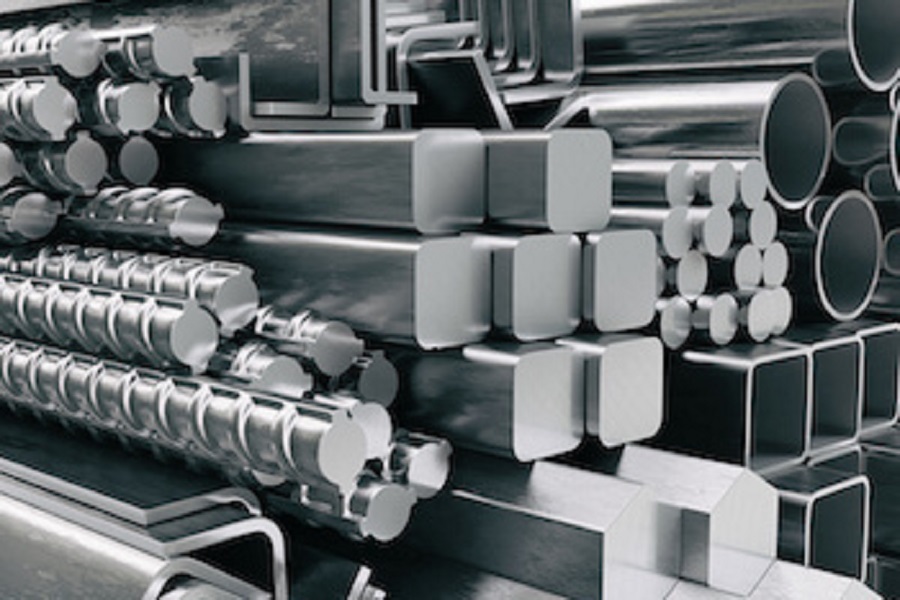
India’s steel demand is projected to reach 192 million tonnes by 2030, with the next phase of growth driven not only by infrastructure but also by higher-value steel, cleaner production and better management of price risks, according to the MCX report “Steeling Growth: Forging India’s Future,” launched during the Global Commodity Conclave.
India’s steel consumption rose to 149 million tonnes (mnt) in FY25 from 136 mnt in FY24 and is projected to reach 192 mnt by 2030, at a CAGR of about 6-7%. Construction and infrastructure currently account for 59% of consumption and are expected to contribute 60-63% of demand by 2030. The report estimates that the infrastructure pipeline could unlock another 25-30 mnt of steel demand as logistics, financing and execution constraints ease.
Construction, roads, railways, urban infrastructure and housing will remain major demand drivers. At the same time, rising activity in automobiles, electric vehicles, renewable energy and manufacturing is creating demand for steel suited to more specialised uses. TMT bar consumption stood at 42 mnt in FY25, with demand projected to reach 75 mnt by FY33 at a CAGR of about 7%.
The report highlights the raw material security and price risk further suggesting growing importance of hedging in India for businesses and market participants. With the price volatility at play, commodity markets should provide effective tools to manage price risks across steel and raw material commodities.
Demand Growth Opens Room for Higher-Value Steel
The report sees an opportunity for Indian producers to address the gap between domestic demand and supply of higher-value steel. India continues to import some advanced and application-specific grades even as exports remain concentrated in lower-margin products. The specialty steel Production-Linked Incentive scheme is helping bridge this gap, with PLI 1.0-1.2 representing more than Rs 55,000 crore in committed investment.
“The product story is no longer about tonnes, it is about fit-for-purpose output,” the report said. Indian mills are increasingly targeting products for sectors such as renewables, EVs and capital goods, creating scope to improve the value generated from rising steel demand.
India’s growth will also need to be matched by efforts to lower the carbon intensity of steelmaking. The report puts the sector’s emissions intensity at 2.55 tonnes of CO? per tonne of crude steel, compared with roughly 1.4 tonnes in the US and about 1.9 tonnes in the EU. The share of blast furnace-based production is projected to rise from 42% to 56% by 2030.
The report highlights renewable energy, energy efficiency, greater scrap use, green hydrogen and carbon capture among the measures being pursued to reduce emissions. The PAT scheme had delivered about 6.1 mnt of oil-equivalent savings by 2022. If renewable energy’s share in
steelmaking rises to 43% by 2030, the report estimates emissions intensity could fall to 2.35 tonnes of CO? per tonne of crude steel, from 2.54 tonnes in 2022.
Global trade rules are also making emissions performance increasingly important for exporters. The report notes that the EU’s Carbon Border Adjustment Mechanism is in its definitive regime, while the UK is set to introduce CBAM in January 2027.
Emphasis on Raw Material Security and Price Risk
As steelmaking expands, the availability of adequate and appropriate raw materials will become increasingly important. Iron ore consumption is projected to rise about 40% to 360 mnt by FY30, from 256 mnt in FY25. Meanwhile, the proportion of higher-grade ore has come down from about 50% in FY20 to about 35% in FY26, requiring higher processing and pelletization. By 2030, it is forecast that pellets will make up about 38% of the charge mix in blast furnaces.
The report also notes the volatile swings in steel and raw material prices over the past year. Odisha iron ore fines rose from about Rs 5,100 a tonne in July 2025 to Rs 5,900 in January-February 2026, before falling to around Rs 4,900 by July. Mumbai BF-route rebar moved from about Rs 47,000 a tonne to Rs 60,250 before correcting to Rs 48,840 by July.
Such volatility makes price-risk management and hedging increasingly important for steel producers and users. “Prudence, therefore, calls for managing this risk using financial instruments such as Exchange-Traded derivatives on steel or iron ore,” the report said. MCX launched its Steel Rebar futures contract in January 2024, providing an exchange-traded mechanism for managing steel-price risk.
The report sees an opportunity for India to strengthen its steel industry by combining rising domestic demand with greater value addition. Cleaner production, secure raw material supplies and stronger risk-management mechanisms in steel industry will help create further production and global demand. This could help Indian steelmakers build a more competitive and resilient position in both domestic and global markets.
Above views are of the author and not of the website kindly read disclaimer







More News

The Wealth Company`s ~Rs1000 Crore+ Private Market Portfolio Moves Towards Public Market