India refutes US Section 301 probe claims on excess capacity in steel, textiles
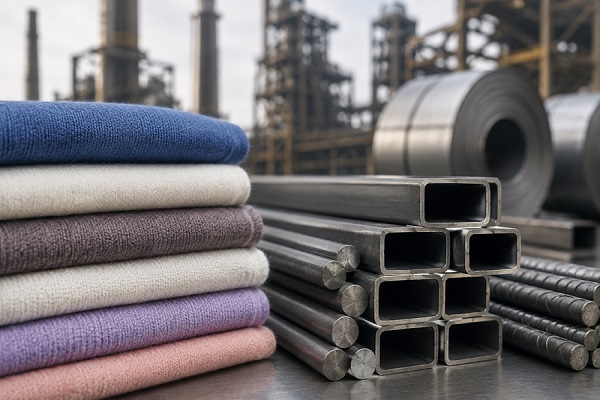
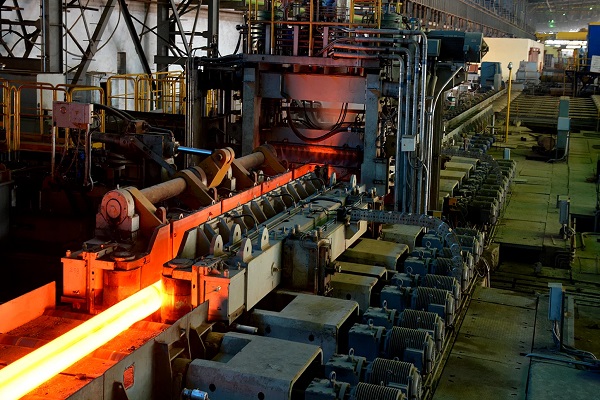
India has refuted claims made by the Trump administration under a US Section 301 trade investigation that there is excess production capacity in the Indian textile and steel sectors which is being used to export goods at low prices.
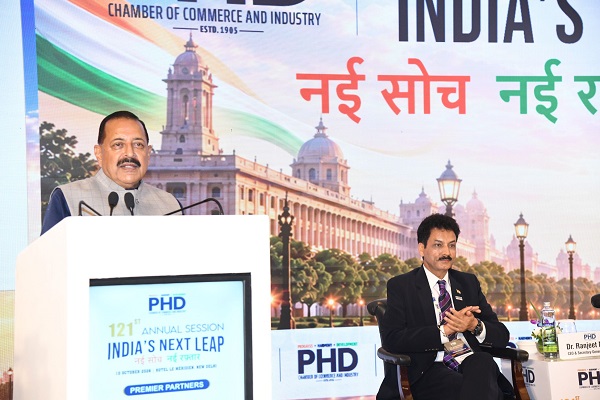
Additional Secretary, Ministry of Commerce, Amitabh Kumar on Wednesday said that India does not have surplus manufacturing capacity in either industry, denying allegations being examined under the US Trade Representative's (USTR) Section 301 investigation.
Kumar highlighted that India's production levels in textiles and steel need to be contextualised considering the country's large population and growing consumption requirements.
He said that on a per capita basis, both production and consumption remain well below levels seen in several developed economies, he remarked. Though, he added that new measures are being mulled for the steel sector.
A US Section 301 trade investigation is an official inquiry conducted by the Office of the United States Trade Representative (USTR) under Section 301 of the Trade Act of 1974. Its purpose is to determine if foreign government policies or practices are unreasonable, discriminatory, or violate international trade agreements, thereby burdening or restricting American commerce.
India and the United States are expected to finalise their long-awaited trade agreement only after the conclusion of the ongoing Section 301 investigation, according to sources familiar with the matter.
Sources said New Delhi is seeking assurances that no additional tariffs will be imposed once the bilateral trade agreement is concluded, as negotiators work to provide greater predictability for businesses and investors.
The timing is significant as the 10 per cent tariff regime that the US has temporarily put in place is set to expire on July 24. Following its lapse, basic Most Favoured Nation (MFN) tariff rates are expected to come into effect, according to officials.
India is also pressing for more favourable tariff treatment compared with competing manufacturing economies, aiming to strengthen its position as a global production and export hub.