India exploring UAE as key LNG, LPG source: Piyush Goyal
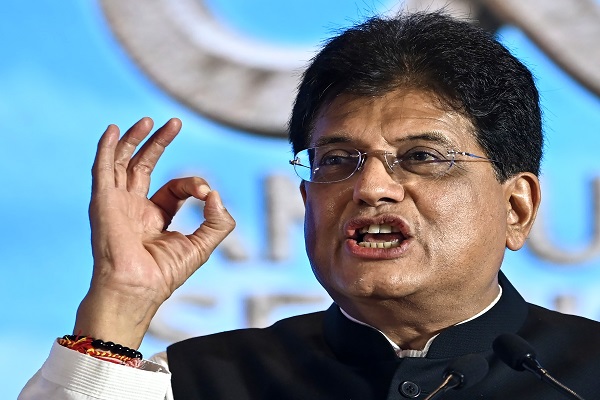
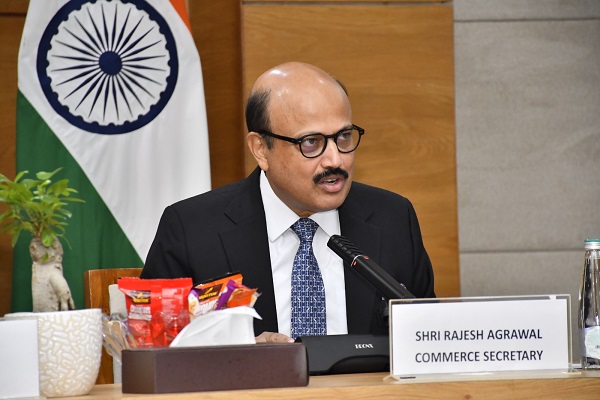
India is exploring the possibility of strengthening its energy partnership with the United Arab Emirates (UAE) by sourcing more liquefied natural gas (LNG) and liquefied petroleum gas (LPG) from the Gulf nation, while also working on expanding strategic petroleum reserves to bolster the country's energy security, Commerce and Industry Minister Piyush Goyal said on Monday.
Addressing the media after the 14th meeting of the India-UAE High-Level Joint Task Force on Investments here, Goyal said that India is engaging with the UAE to enhance cooperation across the energy sector as part of efforts to diversify supply arrangements and safeguard domestic energy availability amid continuing uncertainties in global energy markets.
"India is exploring the possibility of using the United Arab Emirates as a key source of liquefied natural gas (LNG) and liquefied petroleum gas (LPG), while also working with Abu Dhabi to expand petroleum reserves," the minister stated.
The discussions build on agreements announced during Prime Minister Narendra Modi's visit to the UAE in May 2026, when both countries unveiled plans for deeper cooperation in crude oil storage, strategic reserves, LNG and LPG infrastructure, and long-term LPG supply arrangements.
As part of the collaboration, Indian Strategic Petroleum Reserves Ltd (ISPRL) and Abu Dhabi National Oil Company (ADNOC) signed a strategic agreement under which the UAE could store up to 30 million barrels of crude oil in India's strategic petroleum reserve facilities. The proposed arrangement includes potential participation in storage sites located at Visakhapatnam in Andhra Pradesh and Chandikhol in Odisha.
The two sides are also examining the possibility of storing a portion of India's strategic crude reserves in Fujairah, a key UAE oil hub located outside the Strait of Hormuz. Such an arrangement is expected to improve supply-chain resilience and provide greater flexibility in managing energy inventories during periods of geopolitical uncertainty.