Government urges industry to use FTAs, build resilient supply chains, diversify export markets
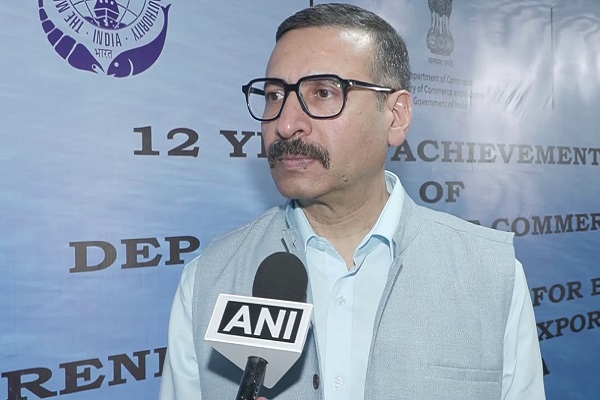
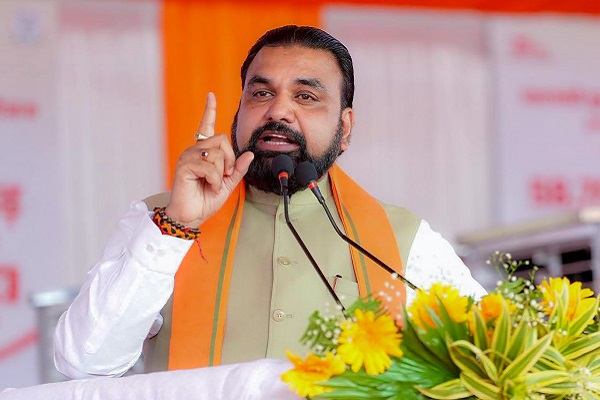
In order to strengthen manufacturing and expand the country’s presence in global trade, the government has nudged the industry to utilise free trade agreements (FTAs), focus on value addition, build resilient supply chains, and actively diversify export markets. Additional Secretary in the Department of Commerce Yashvir Singh said all trade agreements which India has signed 'is a door, but doors, however magnificently crafted, do not open themselves. It is the industry that must walk through them.
He stated the industry should use FTAs to widen market access, attract investment and technology, diversify supply chains, and develop manufacturing ecosystems that can withstand global shocks. Moreover, he said India aims not just to join the global manufacturing landscape, but to position itself as a reliable, competitive, and trusted partner across global value chains.
He outlined five strategic imperatives for the industry, stressing that these were obligations rather than mere suggestions. The first was to invest in greater FTA utilisation by understanding rules-of-origin requirements and mapping supply chains to qualify for preferential tariffs. He noted that the resulting duty savings are tangible and can provide an immediate competitive advantage. He also urged businesses to move up the value chain.
Besides, he said the share of capital goods in India's export basket has already risen from 13 per cent in 2014 to 19 per cent currently, but that trajectory must be accelerated. He also called for building supply chain resilience as China's concentration in upstream materials is a risk for the world. He said ‘For India, it is also an opportunity. Invest in critical minerals, in API (Application Programming Interface) manufacturing, in domestic electronic components. Every supply chain we secure is a choke point we neutralise. Fourth, diversify markets actively.’ India's trade agreements with Oman, New Zealand, and Mauritius have opened corridors in the Gulf, Oceania, and East Africa that were earlier inaccessible on preferential terms.
He stated ‘Fifth, engage on standards. The country that rides the technical standards owns the market. India must move from being a standard taker to a standard setter. UPI, ONDC, and BharatNet are early signals of what sovereign standards can achieve’. He added 'now industry must build the scale. Let us not be China plus one. Let us be India, the trusted partner, the resilient manufacturer, and the next great engine of global growth.'