Global Wealth Distribution: Understanding the Growing Divide
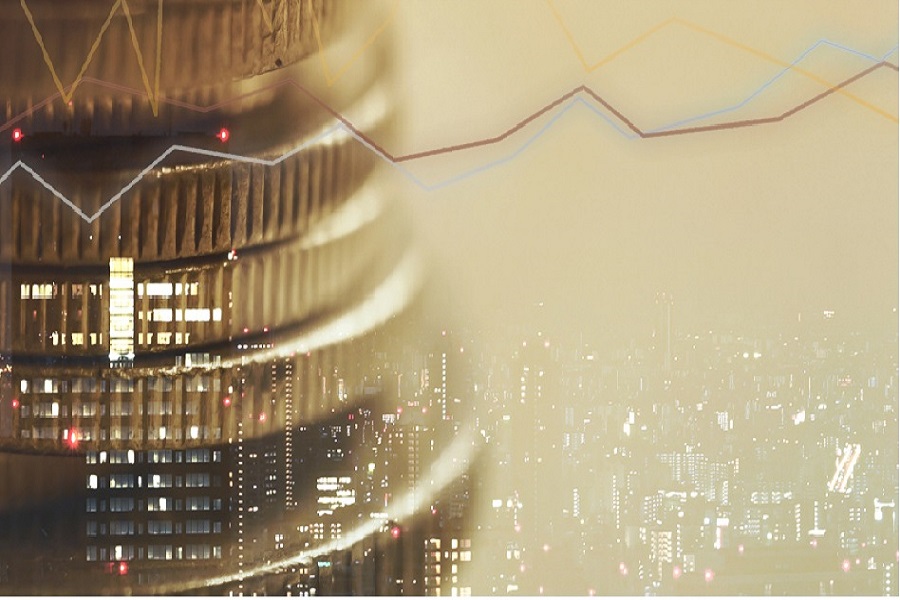
Wealth distribution refers to how assets, resources, and financial opportunities are spread across individuals, households, and nations. In today's interconnected world, the distribution of wealth remains highly uneven, with a small percentage of the global population controlling a significant share of the world's resources.
Over the past few decades, economic growth, technological advancements, and globalization have created unprecedented wealth. However, the benefits of this growth have not been shared equally. While many people have experienced improvements in living standards, wealth concentration among the richest individuals and corporations has continued to increase.
Several factors contribute to global wealth inequality. Access to quality education, healthcare, employment opportunities, and financial services often determines an individual's ability to accumulate wealth. Additionally, inheritance, property ownership, and investment opportunities play a crucial role in expanding financial assets over time.
The disparity is also visible between nations. Developed economies generally possess higher levels of wealth due to stronger institutions, advanced infrastructure, and established financial markets. Meanwhile, many developing countries continue to face challenges such as poverty, limited access to capital, and economic instability.
Despite these challenges, efforts are being made worldwide to promote more inclusive economic growth. Governments, international organizations, and private institutions are investing in education, entrepreneurship, digital access, and social programs aimed at reducing inequality and expanding opportunities.
Understanding global wealth distribution is essential for policymakers, businesses, and individuals. A more balanced distribution of wealth can contribute to economic stability, social cohesion, and sustainable development. As the world continues to evolve, addressing wealth inequality remains one of the most important challenges and opportunities of the 21st century.