Flight Travel Hacks Stories
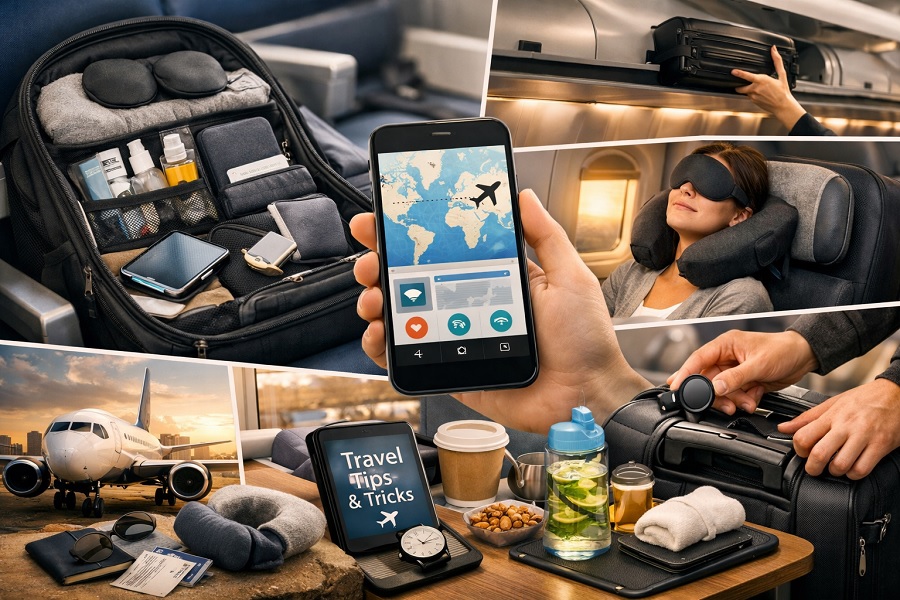
Air travel feels easier than it used to be, but anyone who flies often knows the small things can still make a big difference. A smooth journey usually comes down to planning, timing, and a few smart habits that frequent flyers quietly rely on. Here are practical flight travel hacks that actually improve comfort, save money, and reduce stress.
Smart Booking Strategies That Save Money
One of the biggest differences between a cheap flight and an expensive one is timing. Booking too early or too late can both cost you more. For many routes, the sweet spot is usually a few weeks in advance for domestic flights and one to three months for international trips.
Midweek searches often show better prices compared to weekends. Tuesday and Wednesday departures are frequently cheaper because demand is lower.
Another useful trick is to search in incognito mode or clear cookies. Some booking platforms track repeated searches and may show slightly higher fares over time.
Also, consider nearby airports. A short train or taxi ride can sometimes cut your flight cost significantly.
Packing Hacks That Reduce Stress
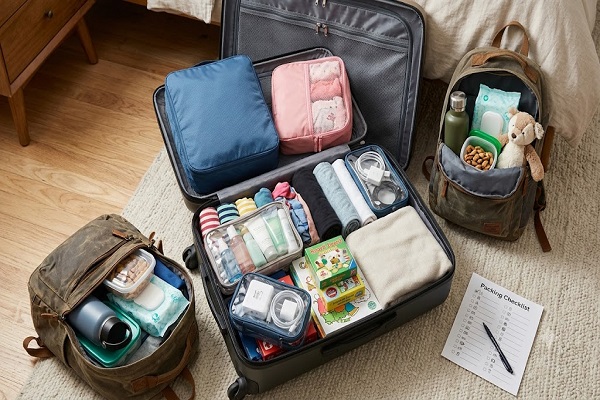
Overpacking is one of the most common travel mistakes. A simple rule helps: pack outfits, not items. Choose clothes that can be mixed and matched easily.
Rolling clothes instead of folding saves space and reduces wrinkles. Packing cubes also help keep luggage organized, especially on multi-city trips.
Keep essentials like chargers, medicines, and documents in your carry-on, not your checked bag. If luggage is delayed, you will still be comfortable.
A small empty bottle for water, a light scarf, and noise-canceling earbuds can make long flights much more manageable.
Airport Hacks Most People Ignore
Arriving early doesn’t always mean waiting in long lines. Many airports have less crowded security lanes depending on the terminal entrance you use. Checking alternate entrances can save time.
Mobile boarding passes are faster and reduce paper hassle. But always keep a screenshot in case of poor signal.
If you have a long layover, airport lounges can be worth it. Even paid access sometimes costs less than multiple airport meals and gives you a quiet space to rest, work, or shower.
Refilling a water bottle after security is one of the simplest ways to avoid overpriced airport drinks.
Seat Selection Tricks for Better Comfort
Your seat can completely change your flight experience. Window seats are better for sleeping and leaning support. Aisle seats give more freedom to move.
For long flights, choosing a seat near the wing tends to reduce turbulence feel. If you want a quieter ride, avoid seats near toilets or galley areas.
If you’re flying economy and want extra space, check seat maps early and choose exit rows if available.
In-Flight Comfort Hacks
Cabin air is dry, so staying hydrated is important. Drinking water regularly helps reduce fatigue and jet lag.
Stretching every few hours improves circulation. Simple ankle rotations and shoulder rolls can make long flights easier on your body.
Adjusting your sleep schedule slightly before departure helps reduce jet lag. Even a one-hour shift can help your body adjust faster.
Entertainment is another overlooked factor. Download movies, podcasts, or offline playlists before boarding. Relying on in-flight Wi-Fi is not always reliable.
Smart Travel Mindset
Experienced travelers don’t just focus on saving money, they focus on reducing friction. That means fewer surprises, less waiting, and smoother transitions between steps.
A good travel experience is usually built before you even leave home. Checking documents twice, confirming baggage rules, and knowing airport layout in advance removes most common problems.
Deep Overview
Air travel in 2026 has evolved into a blend of convenience, technology, and personal comfort. Frequent flyers and solo travelers alike are discovering clever hacks that make every journey smoother, cheaper, and more enjoyable.
From digital boarding passes to AI?powered flight tracking apps, the modern traveler’s toolkit is smarter than ever. But beyond tech, the real magic lies in preparation — knowing how to pack, rest, and save time at every stage of your trip.
Smart Packing Hacks
Compression packing cubes keep clothes wrinkle?free and maximize space.
Portable chargers and multi?port adapters ensure your devices never die mid?flight.
Travel?size toiletries in transparent pouches speed up security checks.
Roll clothes instead of folding — it saves space and prevents creases.
In?Flight Comfort Secrets
Noise?canceling headphones and neck pillows are essential for rest.
Hydrate often — cabin air is dry and dehydrates quickly.
Choose seats near the wing for smoother rides.
Download offline playlists and movies before boarding.
Tech & Timing Tricks
Use flight tracking apps to monitor delays and gate changes.
Check in online 24 hours before departure for better seat selection.
VPNs for travel help access region?locked content safely.
Book flights on Tuesdays — statistically the cheapest day for airfare.
Money?Saving Hacks
Compare fares using multi?city flight search tools.
Redeem credit card miles for upgrades or lounge access.
Carry reusable bottles and snacks to avoid overpriced airport food.
Use travel insurance comparison sites for better coverage at lower cost.
Psychological Hacks
Arrive early to reduce stress and enjoy airport lounges.
Dress comfortably but neatly — it can influence upgrade chances.
Keep a small gratitude journal; it helps maintain calm during long layovers.
Final Thought
Flight travel doesn’t have to be stressful. With a few simple habits, you can turn long journeys into comfortable and predictable experiences. Small changes in booking, packing, and in-flight routines add up to a much better travel experience overall.