Fashion: A Reflection of Identity and Culture
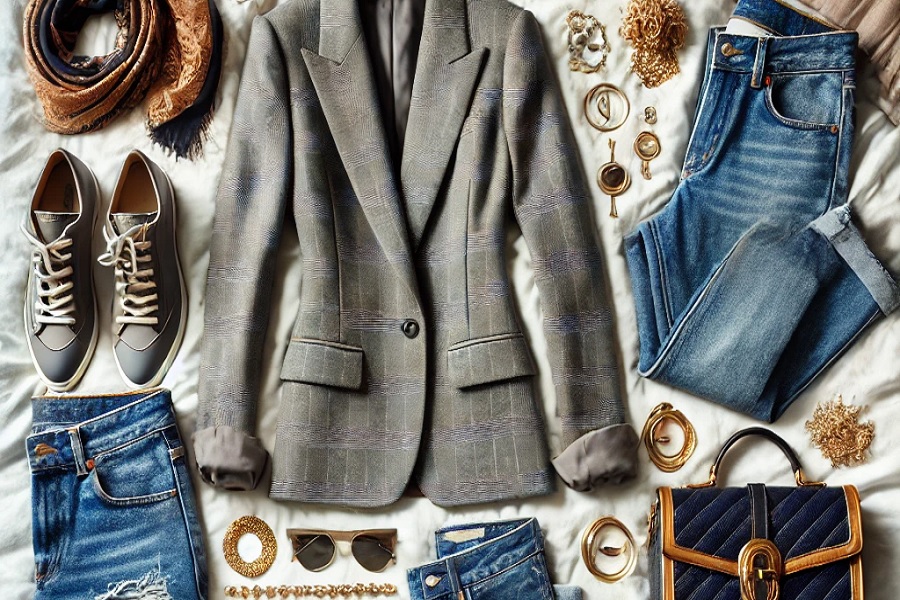
Fashion is far more than clothing—it is a powerful form of self-expression, a mirror of cultural evolution, and a dynamic global industry. What people choose to wear often communicates who they are, how they feel, and even what they believe in. From everyday streetwear to high-end couture, fashion influences and reflects the world around us.
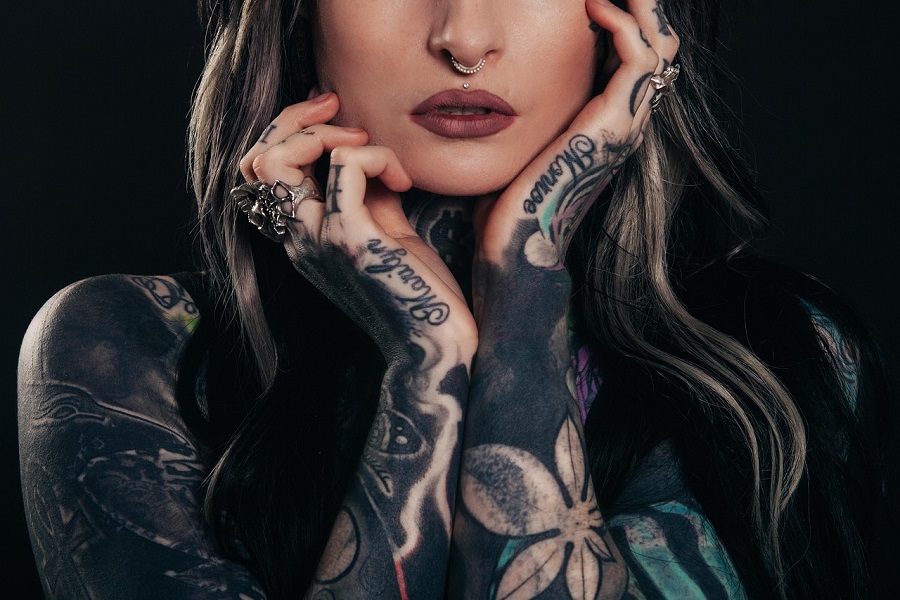
At an individual level, fashion serves as a language without words. The colors, styles, and combinations a person selects can reveal personality, mood, and values. Some people prefer minimalist designs that emphasize simplicity and function, while others embrace bold patterns and experimental trends to stand out. In this way, fashion becomes a personal narrative, constantly evolving as individuals grow and change.
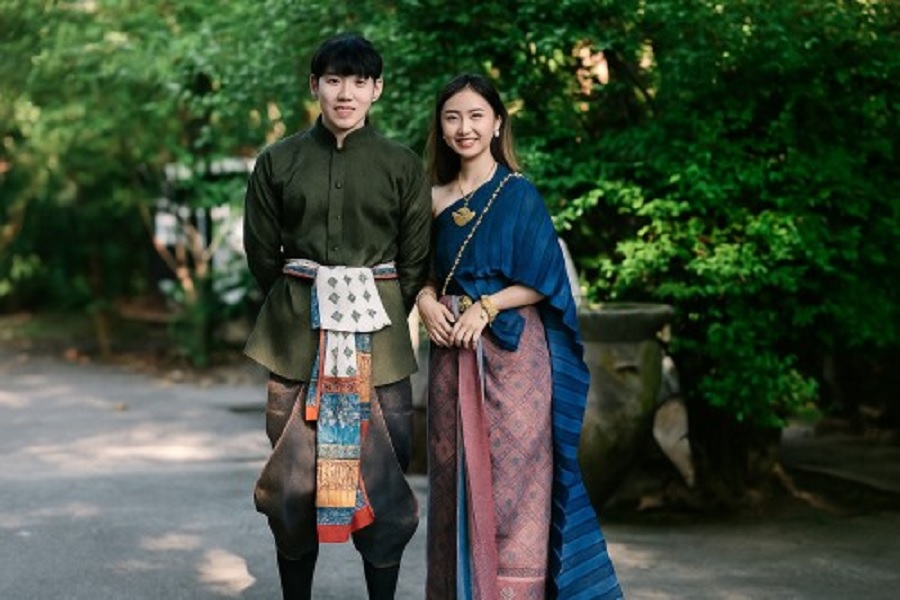
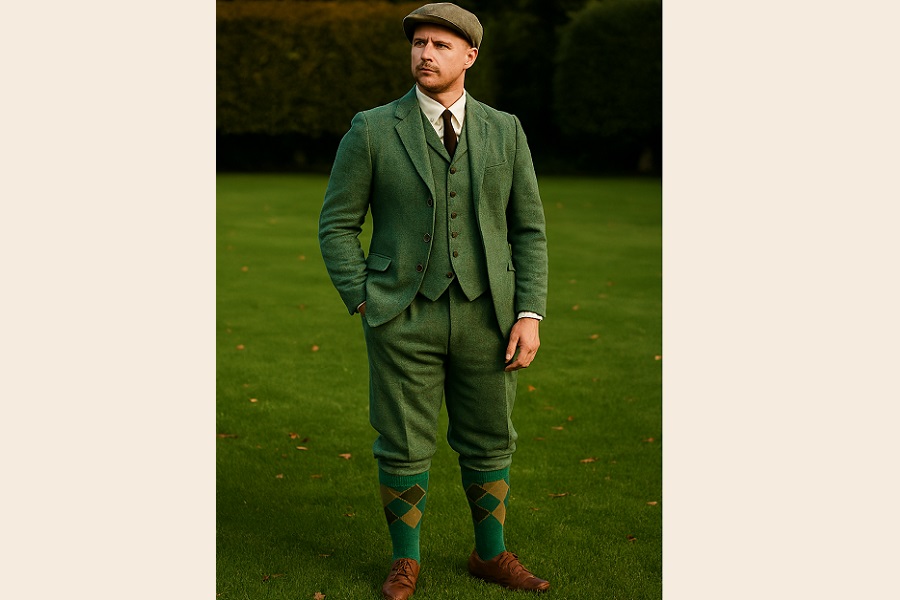
Culturally, fashion carries deep significance. Traditional attire, fabrics, and patterns often tell stories about heritage, geography, and history. For example, garments like sarees, kimonos, or kilts are not just clothing items—they represent centuries of tradition and craftsmanship. At the same time, globalization has blended styles across borders, creating a fusion of influences that shape modern fashion trends.
The fashion industry itself is a major economic force, encompassing design, manufacturing, marketing, and retail. Designers and brands continuously innovate to capture attention and respond to changing tastes. Trends can emerge rapidly, often influenced by celebrities, social media, and global events. However, this fast-paced cycle has also raised concerns about sustainability, labor practices, and environmental impact.
In recent years, there has been a growing movement toward ethical and sustainable fashion. Consumers are becoming more conscious of how their clothes are made, favoring eco-friendly materials, fair labor practices, and longer-lasting designs. Concepts like “slow fashion” encourage mindful purchasing and a shift away from disposable trends.
Technology is also reshaping fashion in exciting ways. Digital design tools, virtual fashion shows, and even AI-driven personalization are transforming how clothing is created and experienced. Online platforms have made fashion more accessible, allowing individuals from all backgrounds to explore and define their own style.
Ultimately, fashion is both deeply personal and universally shared. It bridges art, culture, and commerce, offering endless possibilities for creativity and expression. While trends may come and go, the essence of fashion remains constant: it is a reflection of who we are and the world we live in.