Engage Echo -QSR Sustained LPG shortage can shock industry by JM Financial Services
We hosted Mr Anurag Katriar, ex-NRAI president, to assess the impact of LPG shortage on India’s restaurant sector. Mr Katriar highlighted India’s food service sector is highly dependent on LPG, with nearly 90% of the ~0.5mn organised restaurants relying on commercial cylinders because PNG access is largely limited to select metros. Most outlets maintain only limited inventory buffers; hence, prolonged supply shortage could quickly translate to operational stress for 25–30% of restaurants. In fact, some operators have already started shifting non-core cooking activities to induction, although adoption is constrained by i) the need for flame-based cooking depending on format; ii) lack of induction-compatible cookware; and iii) skill gaps on use of induction. Mr Katriar argues burger and pizza QSR chains appear relatively insulated due to their greater use of electric equipment, whereas Indian, Chinese, catering and smaller independent outlets remain more vulnerable due to their reliance on flame-based cooking. If LPG shortage extends over a longer period, the sector could see meaningful operational disruptions and margin pressure, particularly given the industry’s high fixed-cost structure.
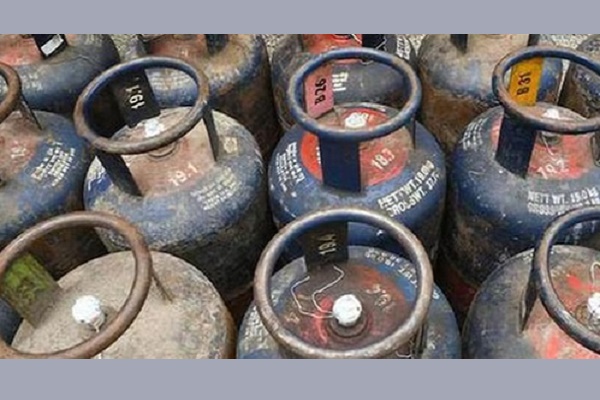
* Mr Katriar highlighted the Indian restaurant industry remains heavily dependent on LPG cylinders for day-to-day operations; of the ~ 0.5mn organised restaurants in the country, about 90% rely on commercial LPG cylinders.
* Given this high dependence, if the current LPG supply constraints persist, 25–30% of restaurants across the country are bound to face operational challenges.
* In response to the evolving situation, some restaurants have begun moving non-core cooking activities to induction equipment. However, transition to alternative cooking methods is not easy because induction cooking requires compatible cookware, which will have to be purchased. Also, kitchen staff accustomed to flame-based cooking shall need both time and training to adapt to new equipment.
* Hence, in case of shortage, operators have only two choices: either adopt electric cooking equipment quickly or suspend operations temporarily until the situation resolves.
* Burger and pizza QSR chains are expected to be relatively less affected as many of these formats already rely heavily on electric fryers and ovens and use of centrally made frozen sauces. ? Restaurants serving Indian, Chinese, or continental cuisine face greater challenges as Chinese cooking involves use of high-flame, whereas Indian cuisine often involves slow flame-based preparation over longer durations, both of which are difficult to replicate on induction.
* The scope for menu adjustments to reduce LPG consumption is relatively limited. While some formats such as Italian restaurants or cafés may temporarily shift focus towards oven or fryerbased items, most food-focused restaurants would need to adjust cooking equipment.
* Street vendors, who rely almost entirely on LPG cylinders, face the greatest operational challenges. Similarly, outdoor catering businesses may struggle due to the large-scale cooking operations required for events.
* For restaurants, 40–50% of operating costs are fixed in nature, and even short-term closures could lead to a meaningful financial strain for operators.
* Food delivery platforms such as Zomato and Swiggy are unlikely to face structural disruption from such shortages. In most cases, consumers may simply shift orders to alternative restaurants.
* Given the high level of discounting currently prevalent in the restaurant sector, operators may gradually reduce promotional intensity if operating costs continue to accelerate further.
* Finally, Mr Katriar noted that underlying demand is strong for the food service industry and the frequency of eating non-home food has increased from 4.3 times/month in 2019 to 6.7 times.
* He noted two distinct consumption patterns: i) experiential dining—social and celebratory occasions; and ii) convenience-driven delivery consumption. Experiential dining will show stronger growth as it is critical for cuisines where food quality deteriorates during delivery transit.
* He mentioned the number of QSR players has outpaced demand growth, thereby increasing competitive intensity aggravated by emergence of home chefs, particularly in categories such as bakery and desserts.
Foodservice sector: Industry expert call – Key takeaways
LPG inventory buffers limited for most restaurants
* LPG inventory buffers vary widely across restaurant formats. Larger restaurants typically operate gas banks with six–eight cylinders while smaller QSR outlets often operate with only one–two cylinders, limiting their ability to maintain large buffers.
* Some operators have indicated they hold larger buffers; however, the expert expressed surprise at such claims, noting that such large inventories are uncommon in practice.
* Instances of restaurants running out of gas supplies have already been reported across India with Chennai and Bangalore being impacted more severely, indicating that shortages may already be emerging in certain locations.
Restaurants making operational adjustments
* Some restaurants have already started shifting non-core cooking activities to alternative energy sources in anticipation of supply constraints. Activities such as preparing stock, soup, rice or staff meals are being moved to induction-based cooking equipment.
Challenges in switching to alternative cooking methods
* Switching to induction or other electric equipment requires procurement of new appliances as well as compatible cookware, as traditional utensils may not work on induction surfaces.
* Restaurants also face skill-related challenges, as kitchen staff accustomed to cooking on gas may require both time and training to adapt to induction-based cooking.
* In some cases, smaller operators may attempt to procure LPG through informal or grey markets, although this involves higher costs and safety risks.
Financial implications of temporary shutdowns
* Restaurants typically have high fixed operating costs, estimated at 40–50% of operating expenses. If restaurants are forced to shut temporarily due to gas shortages, operators would still need to bear rent and employee costs, which could result in meaningful financial strain. While temporary negotiations with landlords or employees may occur, the expert indicated that such disruptions would still negatively affect profitability.
Potential impact on industry pricing and discounts
* Discounting has become widespread in the restaurant industry and is often expected by consumers. With operating costs rising, the expert suggested that discounting intensity could potentially reduce, although no immediate shift has been observed.
Potential long-term operational changes
* If restaurants invest in induction or electric equipment during the disruption, many may continue using such equipment in the future to protect against similar supply disruptions.
* The economics of switching is a factor of local electricity costs relative to LPG prices, which vary significantly across cities.
* Certain formats such as pizza and burger outlets may be able to operate largely on electric equipment, whereas flame-based cuisines may find permanent transitions more difficult.
Broader industry demand trends
* The frequency of eating non-home food has increased from 4.3 times/month in 2019 to 6.7 times currently, according to the expert.
* The expert highlighted two distinct consumption occasions: i) Experiential dining (social and celebratory occasions); and ii) Convenience-driven delivery consumption. Experiential dining remains important for cuisines wherein food quality deteriorates during delivery transit.
Please refer disclaimer at https://www.jmfl.com/disclaimer
SEBI Registration Number is INM000010361