Discover Tranquility Through Meditation and Wellness Travel
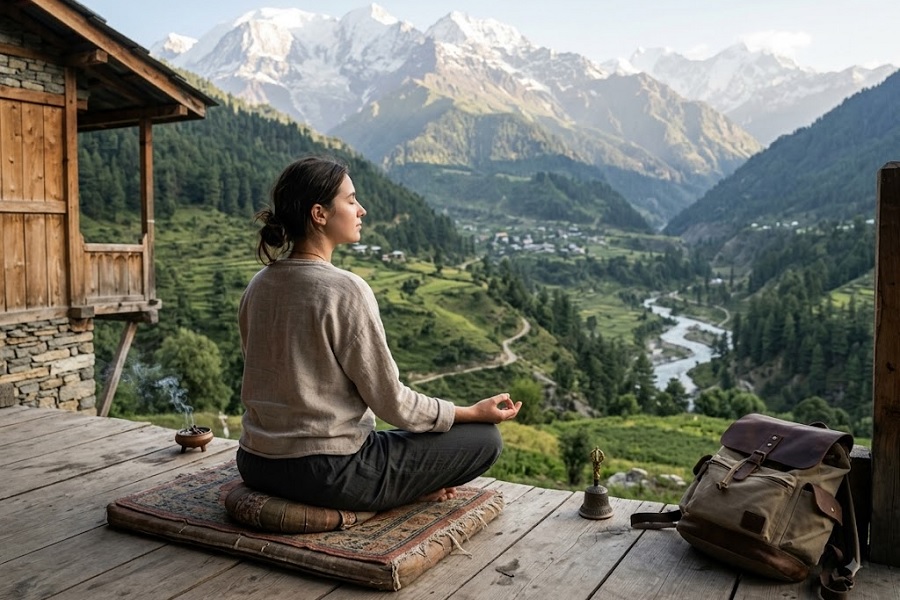
Meditation Travel Experiences: A Peaceful Way to Explore the World
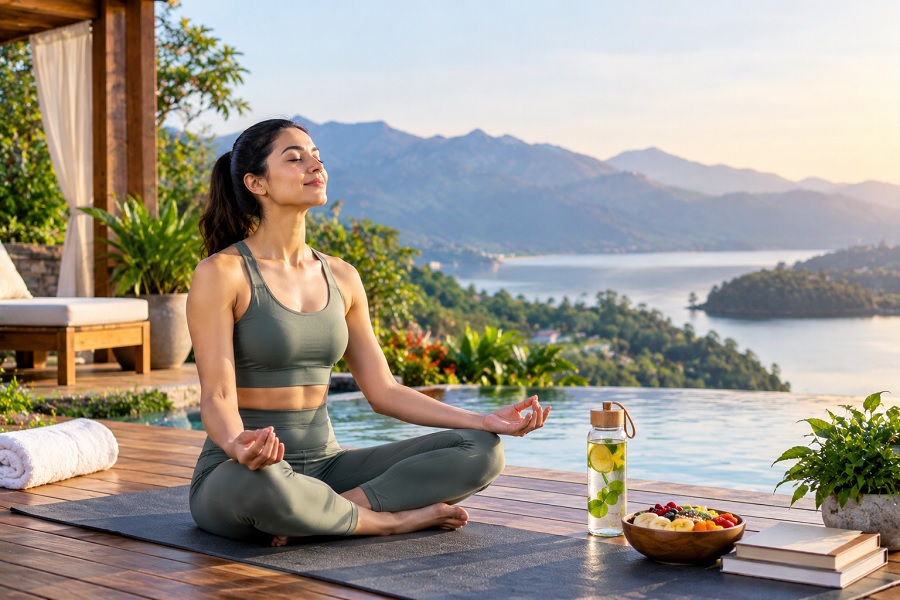
Meditation Travel Experiences are becoming an appealing choice for travelers who want to combine sightseeing with relaxation, mindfulness, and personal reflection. Instead of planning a holiday entirely around busy attractions and packed schedules, meditation-focused travel encourages visitors to slow down and spend meaningful time in peaceful surroundings.
From mountain meditation retreats and forest escapes to beachside mindfulness sessions and wellness resorts, travelers can find many ways to include meditation in their vacation.
What Are Meditation Travel Experiences?
Meditation travel involves visiting destinations where travelers can practice meditation while enjoying a change of environment. The experience may range from a short guided meditation session during a regular vacation to a dedicated multi-day retreat.
Common meditation travel experiences include:
Guided meditation retreats
Silent retreats
Mindfulness workshops
Yoga and meditation holidays
Forest meditation sessions
Beach meditation experiences
Mountain retreats
Spiritual travel
Wellness resort programs
Digital detox vacations
Nature-based mindfulness activities
The main attraction is the opportunity to step away from everyday routines and create time for quiet reflection.
Why Meditation and Travel Work Well Together
Travel naturally changes a person's surroundings and daily routine. Adding meditation can make the experience more intentional.
A peaceful destination can provide an opportunity to:
Slow down during a busy vacation
Spend time in nature
Practice mindful observation
Take a break from digital devices
Enjoy quiet surroundings
Explore wellness traditions
Create a more relaxed travel schedule
Meditation does not need to occupy an entire trip. Even a few minutes of quiet practice during a vacation can become part of a broader wellness-oriented travel experience.
Popular Meditation Travel Destinations
Meditation experiences can be found in many different environments.
Mountain Meditation Retreats
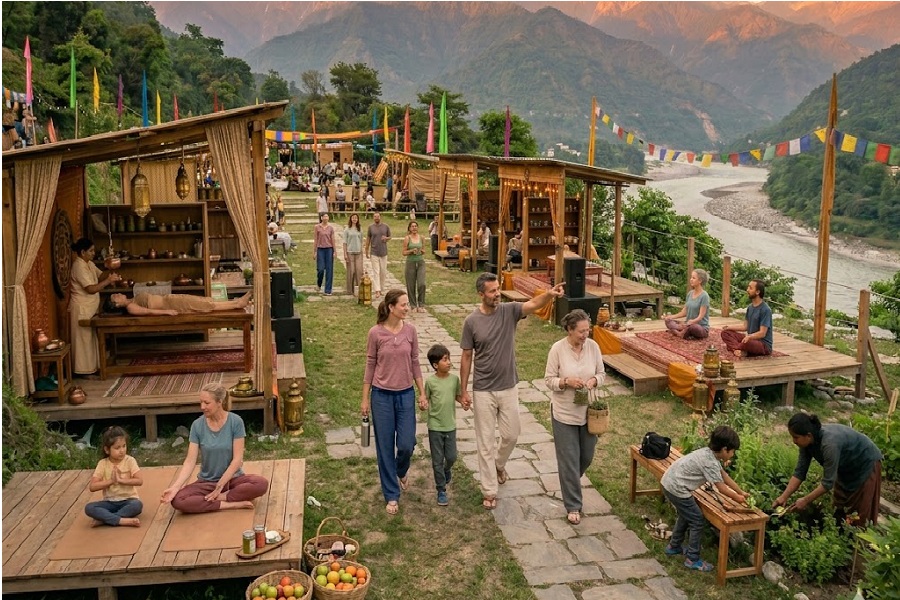
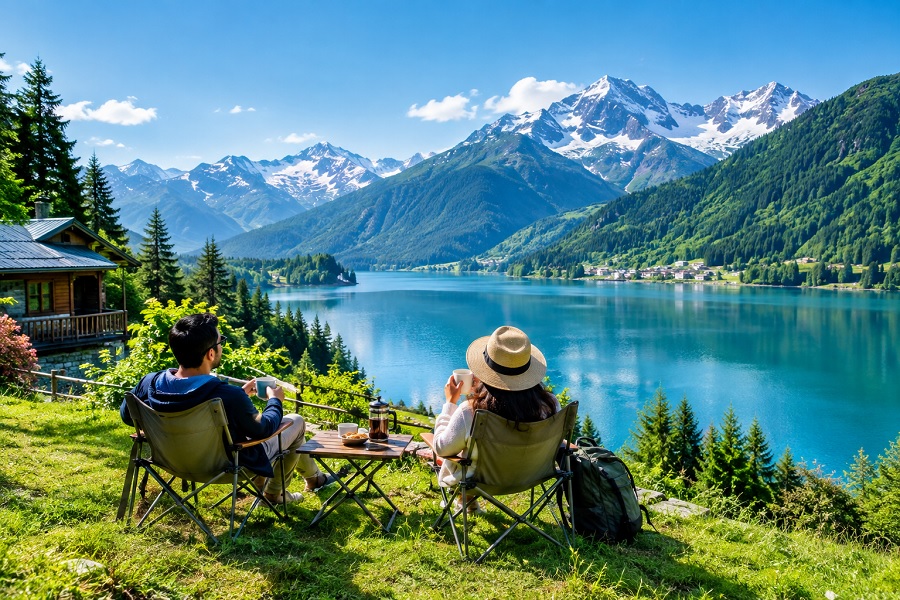
Mountains offer quiet landscapes, fresh air, and scenic surroundings. Travelers may combine meditation with gentle walks, yoga, nature photography, and relaxation.
Forest Meditation Experiences
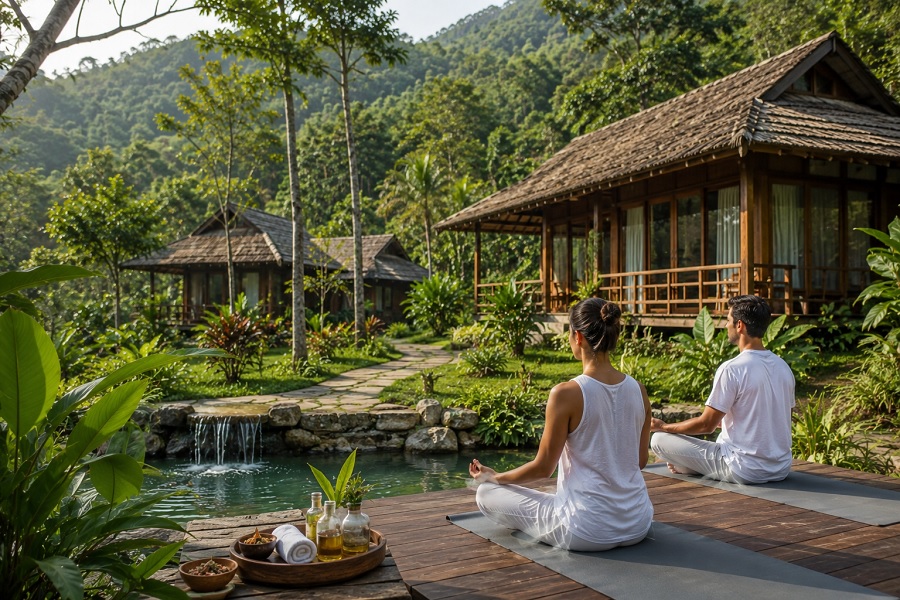
Forest environments can create a peaceful setting for mindfulness activities. A guided forest meditation may encourage travelers to focus on sounds, breathing, natural textures, and their surroundings.
Beach Meditation
Meditating beside the ocean can provide a relaxing experience. The sound of waves, open views, and natural surroundings can make beaches popular locations for guided mindfulness sessions.
Wellness Resorts
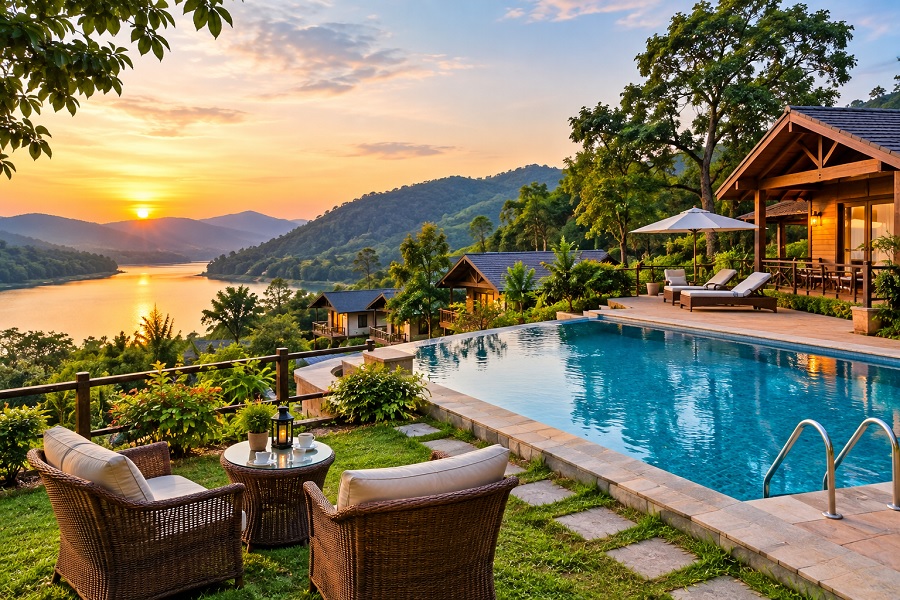
Many wellness resorts incorporate meditation into broader programs that may also include yoga, spa treatments, healthy meals, fitness activities, and nature experiences.
Spiritual Destinations
Some travelers choose destinations with long-standing meditation and contemplative traditions. These trips can combine meditation with cultural and heritage exploration.
Types of Meditation Travel Experiences
1. Guided Meditation Retreats
These retreats are suitable for travelers who prefer structured sessions led by experienced instructors.
2. Silent Retreats
Silent retreats place greater emphasis on quiet reflection and reduced communication. Participants should check the retreat's rules and schedule before booking.
3. Mindfulness Holidays
Mindfulness-focused holidays can combine meditation with everyday travel activities such as walking, eating, photography, and nature exploration.
4. Yoga and Meditation Retreats
Yoga and meditation are frequently offered together at wellness destinations. Programs may include movement sessions, breathing exercises, meditation, and relaxation periods.
5. Digital Detox Retreats
Some travelers choose meditation retreats specifically to reduce screen time. These programs may limit or discourage phone and internet use.
Meditation Travel in India
India has a long history of contemplative traditions and offers a variety of destinations associated with yoga, meditation, spirituality, and wellness.
Places such as Rishikesh, Dharamshala, Bodh Gaya, and parts of Kerala attract travelers interested in meditation, yoga, wellness, and spiritual experiences.
Travelers should distinguish between tourism experiences and authentic religious or cultural practices. Respecting local customs, dress expectations, photography rules, and community traditions is important when visiting spiritual destinations.
How to Plan a Meditation Vacation
Planning a meditation-focused holiday does not have to be complicated.
Choose the Right Setting
Think about the environment in which you feel most comfortable. You might prefer mountains, beaches, forests, countryside, or a dedicated wellness center.
Decide the Type of Experience
Consider whether you want a short guided session, a weekend retreat, or a longer structured program.
Research the Program
Before booking, check the schedule, accommodation, meals, instructor qualifications, retreat rules, cancellation policy, and what is included in the package.
Keep Your Itinerary Flexible
A meditation vacation works best when you avoid filling every day with sightseeing. Leave enough time for rest and quiet activities.
Pack Comfortably
Comfortable clothing, suitable footwear, a reusable water bottle, personal toiletries, and any required medication or personal items can make the trip easier.
Combining Meditation With Leisure Travel
Meditation does not have to replace sightseeing. It can complement a conventional holiday.
For example, a traveler could spend the morning meditating, visit a local cultural attraction in the afternoon, enjoy a healthy meal in the evening, and finish the day with a short mindfulness session.
This creates a balanced travel itinerary that includes both exploration and relaxation.
Meditation and Nature Travel
Nature can be an important part of a meditation-focused vacation. Travelers can combine meditation with:
Forest walks
Sunrise viewing
Beach walks
Gardening
Birdwatching
Mountain walks
Lakeside relaxation
Nature photography
Outdoor yoga
Stargazing
These activities can encourage travelers to pay closer attention to their surroundings rather than rushing from one attraction to another.
Benefits of Meditation Travel
Meditation travel can provide a structured opportunity to slow down and focus on personal well-being. Travelers may enjoy the quiet environment, reduced distractions, and opportunity to establish a temporary mindfulness routine.
However, meditation should not be presented as a substitute for professional medical or mental-health care. People with specific health concerns should consult an appropriate professional before participating in intensive retreats or extended programs.
Responsible Meditation Tourism
Wellness and spiritual tourism should be approached respectfully. Travelers should research the organization they plan to visit and understand its practices.
Responsible visitors should:
Respect local customs
Follow retreat guidelines
Ask before photographing people or ceremonies
Avoid disrupting religious activities
Support legitimate local businesses
Reduce unnecessary waste
Respect quiet areas
Avoid treating sacred traditions as entertainment
The Future of Meditation Travel
Meditation travel is well suited to the broader movement toward slower, experience-based vacations. Travelers increasingly look for holidays that provide more than sightseeing, including opportunities for relaxation, learning, cultural connection, and personal reflection.
Future meditation travel experiences may increasingly combine wellness retreats with nature tourism, sustainable accommodation, technology-free stays, cultural learning, and personalized travel programs.
Final Thoughts
Meditation Travel Experiences offer a different approach to leisure travel by combining exploration with periods of quiet and reflection. Whether it is a weekend meditation retreat in the mountains, a sunrise session beside the ocean, or a wellness holiday surrounded by nature, travelers can design experiences that feel more peaceful and intentional.
The key is to choose a suitable destination, research the retreat or provider carefully, respect local traditions, and leave enough space in the itinerary to truly slow down.