Desert Adventures in Summer vs Winter
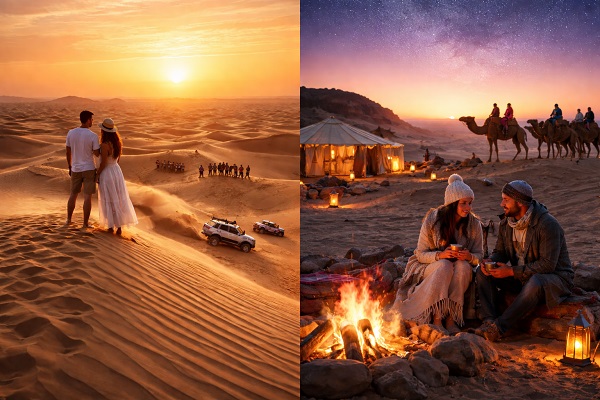
Deserts have a way of surprising you. At first glance, they seem harsh and unforgiving. But spend a little time there and you’ll find dramatic landscapes, quiet beauty, and experiences you won’t get anywhere else. What truly changes the desert experience is the season. Summer and winter offer two completely different kinds of adventures.
Here’s what you can expect in each.
Desert Adventures in Summer
Summer in the desert is intense. Daytime temperatures can soar well above 40°C in many regions, especially in places like Rajasthan, Dubai, or Arizona. This isn’t the season for casual sightseeing. It demands preparation and respect for the environment.
That said, summer has its own appeal.
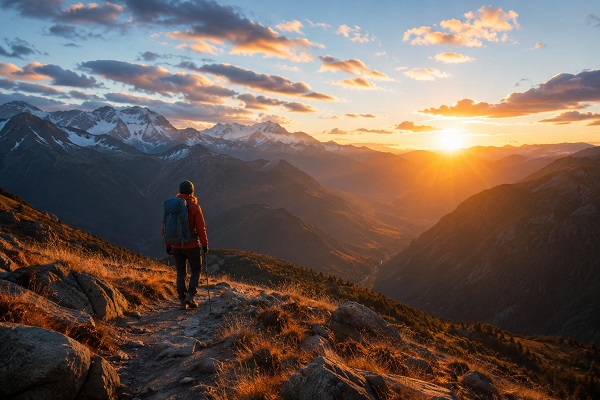
Early mornings and late evenings are magical. The sunrises feel sharper, the sunsets more dramatic, and the vast silence becomes even more powerful. Sand dunes glow in shades of gold and copper. If you enjoy photography, summer light can be stunning.
Adventure activities shift with the heat. Instead of long camel safaris in the afternoon, you’ll find sunrise dune bashing, early morning quad biking, or overnight desert camping. Nights are warm, making open-air dinners and stargazing especially comfortable.
Summer travel also means fewer tourists. Resorts and desert camps often offer better deals, giving you a more private experience. However, hydration, sun protection, and proper planning are essential. Without them, the heat can quickly become overwhelming.
Desert Adventures in Winter
Winter is when deserts truly come alive. Temperatures drop to a pleasant range during the day, often between 15°C and 25°C depending on the location. This makes it the peak season for desert tourism.
Long camel rides, dune walks, sandboarding, and cultural desert safaris are far more comfortable. You can explore forts, villages, and desert landscapes without constantly worrying about the heat.
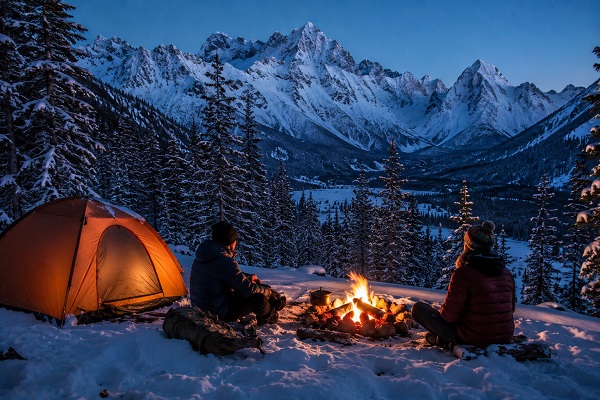
Evenings in winter bring a different charm. As temperatures dip, gathering around a bonfire in a desert camp feels cozy and memorable. Traditional music performances, local cuisine, and clear starry skies make winter nights unforgettable.
Wildlife spotting also improves in cooler weather. Many desert species are more active, making safaris more rewarding.
The trade-off is that winter attracts more visitors. Popular desert destinations can get crowded, and prices for camps and resorts may be higher. Booking in advance becomes important.
So, Which Season Is Better?
It really depends on what you want.
If you prefer milder weather, longer outdoor activities, and a lively atmosphere, winter is the safer choice. It’s comfortable, scenic, and ideal for families.
If you’re looking for solitude, dramatic landscapes, better deals, and don’t mind planning around the heat, summer can offer a more exclusive and raw desert experience.
Both seasons reveal different sides of the same landscape. The desert never truly changes, but your experience of it certainly does.