Crude oil prices fall up to 3 pc as US-Iran talks ease supply concerns
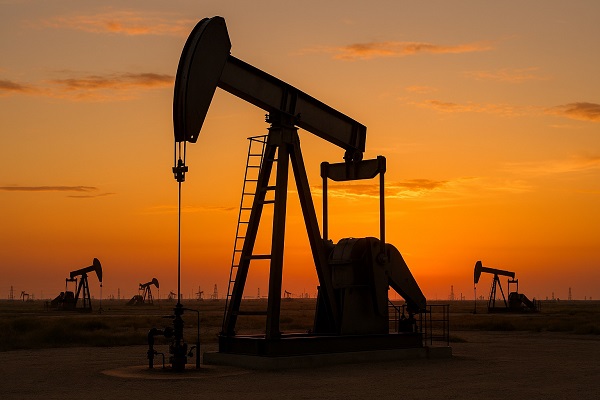
Global crude oil prices declined sharply by up to 3 per cent on Monday after talks between the United States and Iran concluded in Switzerland, easing concerns over supply disruptions and raising hopes of increased Iranian oil exports.
International benchmark Brent crude fell more than 2 per cent to around $79 a barrel after briefly rising above $82 at the start of trading, while US West Texas Intermediate (WTI) crude traded near $75 per barrel, a decrease of 3 per cent.
The decline came after senior US and Iranian officials reportedly wrapped up the first round of talks aimed at extending a fragile ceasefire and reducing tensions in the region.
However, oil prices had already fallen more than 8 per cent last week amid expectations that cargoes stranded in the Gulf could be released and that US sanctions on Iranian oil exports could eventually be eased as part of a broader agreement.
Iranian Foreign Minister Abbas Araqchi has said that Tehran had secured waivers for oil and petrochemical exports, the release of some frozen assets and the launch of a reconstruction and development plan for the country.
Experts said Brent crude remaining below the $80-per-barrel mark despite uncertainty surrounding the West Asia talks suggests that markets are not pricing in a major escalation of the conflict.
However, they cautioned that the geopolitical situation remains fluid and warrants close monitoring.
"Global sentiment remains cautious as Asia-Pacific markets opened on a mixed-to-negative note following reports that Iran withdrew from talks in Switzerland after renewed geopolitical tensions," according to them.
In addition, the fall in oil prices supported investor sentiment in equity markets, with domestic benchmark indices trading higher in early deals on Monday.
Moreover, the latest decline in crude prices is expected to provide relief to major oil-importing countries by reducing pressure on import costs, inflation and the current account deficit.