China's focus on industry over consumption threatens long-term growth
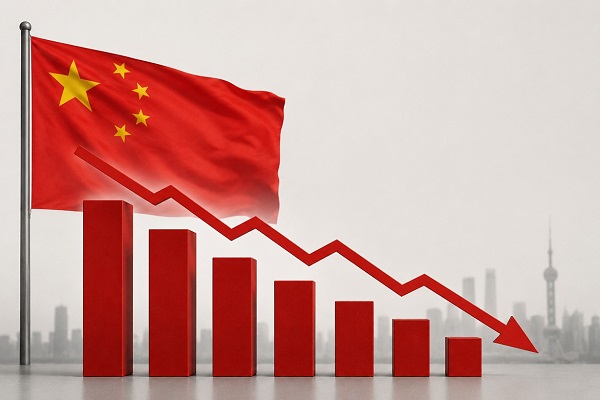
China's leadership has correctly identified weak domestic consumption as one of the country's biggest economic challenges but remains committed to an investment- and export-led growth strategy, according to a report.
A report by Foreign Affairs said deepening economic imbalances and increasing the risk of prolonged deflation and trade tensions.
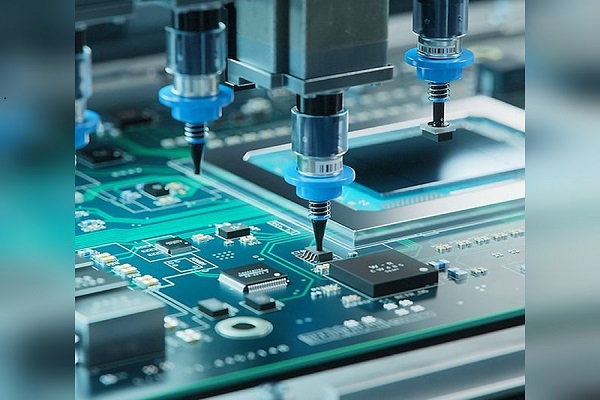
China's economic policy, Beijing continues to prioritise investment in advanced manufacturing, technology and strategic industries despite growing concerns over slowing household income growth, weak consumer demand and mounting trade frictions with major global partners, it added.
Chinese policymakers believe sustained investment in technology and industrial capacity will eventually drive productivity gains, wage growth and higher consumption.
As a result, authorities have largely resisted calls for large-scale stimulus measures to boost household spending, opting instead to channel resources into industrial expansion and targeted sectors.
The report suggests that this approach reflects a long-held belief that economic development is driven primarily by capital accumulation, technological advancement and state-guided investment, rather than by consumption-led growth.
However, it contend that China's economy is increasingly producing more than domestic consumers can absorb, forcing manufacturers to rely heavily on exports.
This imbalance contributes to falling producer prices, weak corporate profitability and growing dependence on overseas demand at a time of rising global trade scrutiny.
Beijing has responded to economic challenges by increasing support for strategic industries, directing credit toward preferred sectors and expanding state intervention in resource allocation, while offering only limited measures to strengthen household consumption.
The report further warned that persistent deflation poses a greater long-term threat than sector-specific weaknesses as falling prices can suppress investment, reduce credit demand, weaken wages and further dampen consumer confidence.
“Between 2022 and 2025, LMICs paid about $436.1bn more in debt service than they received in new financing,” the report said.
“However, the trend reversed in 2025: long-term debt flows shifted from a net outflow of $118.4bn in 2024 to a net inflow of $45.4 billion,” it added.